Ascolta
Ascolta


Breathwork Facilitator
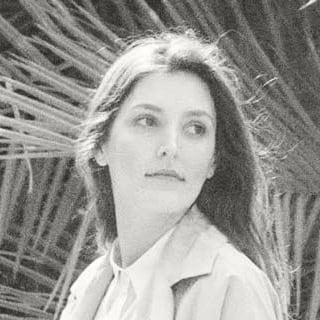
Karina Kalilah is an Embodied Breathwork Practitioner and the founder of Embodied Breath Academy, a trauma-informed breathwork school. Her work spans breathwork, sound healing, music and coaching, and she guides seekers, visionaries and creatives toward what she calls Ecstatic Liberation: a freedom felt in the body rather than only held as a mindset.
Karina Kalilah is an Embodied Breathwork Practitioner and the founder of Embodied Breath Academy, a trauma-informed breathwork school. Her work spans breathwork, sound healing, music and coaching, and she guides seekers, visionaries and creatives toward what she calls Ecstatic Liberation: a freedom felt in the body rather than only held as a mindset.
In her breathwork journeys, she helps people release stored tension and awaken the life force within. Her sound healing and sonic experiences use rhythm, vibration and voice as medicine, to shift energy, move out of the thinking mind and reconnect with a raw, unfiltered self. Her private sessions draw on Embodied Breathwork, Wild Love Orgasmic Breathwork, Somatic Movement and Embodiment, and Spiritual Psychology.
Her ecstatic liberation ceremonies are described as part ritual, part celebration, moving from contraction into expansion and from silence into rhythm. There is no performance and no perfection, only a remembering of who you are at your deepest core.
Karina Kalilah is a breathwork practitioner, sound healer, and meditation teacher based in Bali who founded the Embodied Breath Academy, a trauma-informed school centering on what she calls Ecstatic Liberation—a freedom that lives in the body, not merely as intellectual understanding. Her distinct positioning lies in the fusion of somatic movement, embodied breathwork, rebirthing breathwork, and spiritual psychology, alongside a parallel practice in sound healing through crystal bowls, shamanic tones, and her own voice. People gravitate toward her work because she approaches both breathwork and sound healing with an unusual backstory: she lost most of her hearing in both ears and developed sound healing precisely through learning to feel vibrations before hearing them, describing this as her dharma or life purpose. Her sessions operate in the shadow work tradition—she explicitly reframes shadow material as fuel for freedom rather than something to transcend, asking no performance or perfection of students. Beyond private sessions, she trains breathwork practitioners and offers business coaching for facilitators, expanding the accessibility of embodied practices within the broader wellness ecosystem.
Her work draws explicitly from several lineages: Embodied Breathwork and Rebirthing Breathwork (trauma-informed somatic modalities that treat the breath as a pathway to releasing stored tension), somatic movement traditions emphasizing the body as the primary language of healing, and spiritual psychology—the integration of psychological shadow work with spiritual practice rather than spiritual bypassing. While the data doesn't specify a single guru lineage or specific teachers, her approach aligns with contemporary trauma-informed breathwork schools and the shadow work movement within modern spirituality, which refuses to separate psychological healing from spiritual development. The crystal bowl and shamanic vocal work suggests exposure to sound healing traditions, though her unique contribution is the accidental lineage born from hearing loss itself—she teaches that disability and limitation can become the doorway to deeper listening and vibration work. Her focus on "Ecstatic Liberation" as embodied freedom rather than abstract or purely meditative positions her within the somatic liberation tradition, distinct from purely devotional or concentration-based schools. This integration of shadow, somatic awareness, and sound healing creates a contemporary approach that honors both the nervous system and psychological integration.
A newcomer with no breathwork background should start with her music: her album Heartgasm, available on Spotify, Apple Music, and other streaming platforms, functions as both sound healing and music, so it carries no requirement to "do" anything or commit to a practice—you can listen passively and feel the vibrations. From there, explore her teaching through YouTube, where sessions, teaching clips, or ceremony recordings likely exist, before considering a paid private session or online workshop. For those drawn specifically to embodied breathwork, her website (karinakalilah.com) details her session offerings and the Embodied Breath Academy structure; beginners should seek out introductory breathwork journeys rather than advanced intensive trainings. The barrier to entry is intentionally low because her sound healing requires no prior experience or technique, while her breathwork sessions are designed to be trauma-informed, meaning she works with what arises rather than forcing particular outcomes. Her philosophy—"When you remember that at your very core, you are love, then the healing can take place from the inside out"—signals that her approach is relational and self-compassion-based, not punishment or forced awakening.
Most breathwork teachers come to the modality through yoga, dance, or psychology backgrounds; Karina's entry point is through hearing loss and sound sensitivity, which positions her sound healing as inseparable from her breathwork teaching in a way that feels unusual in the space. Her explicit framing of shadow work within ecstatic liberation—shadow as "fuel for freedom" rather than something to overcome or transcend—distinguishes her from more transcendence-focused or "light and love only" breathwork facilitators, placing her in the trauma-informed, integration-focused camp that takes psychological shadow seriously. She teaches breathwork not as a solo pursuit but as training for other facilitators through the Embodied Breath Academy, which means her lineage and methodology are codified in a structured school rather than scattered across independent practitioners. The combination of crystal bowls, shamanic tones, percussion, and piano in her sound healing contrasts with teachers who focus on singing bowls alone or electronic ambient tracks. Most distinctively, she refuses perfection and performance as requirements in her ecstatic liberation ceremonies—this anti-perfectionist stance challenges the aesthetic spirituality that dominates contemporary wellness, inviting practitioners to show up as they are.
Her work is not for practitioners seeking a purely devotional or bhakti lineage experience—while she uses the word dharma and has a spiritual foundation, her approach is grounded in psychology, somatic embodiment, and shadow work rather than deity-centered devotion or pure meditation concentration practices. Those committed to "positive thinking" or spiritual bypassing will find her explicit shadow work reorienting and potentially uncomfortable; her philosophy that shadow is fuel rather than waste requires a willingness to look inward at discomfort rather than transcend it. Practitioners seeking high-energy, dance-floor ecstatic experiences may find her sound healing more introspective and vibration-based than rhythm-driven—she works with crystal bowls and shamanic tones, not percussive house music or electronic dance rhythms. Beginners wanting simple, prescriptive breathwork techniques without psychological context may prefer more mechanical instructional formats; her integration of spiritual psychology means sessions often invite shadow material, which requires emotional readiness. Finally, those with significant hearing impairment should inquire directly about her sound healing offerings, as her approach centers on vibration and feeling rather than hearing—though her framework was born from her own deafness.
Her album Heartgasm is explicitly framed as sound healing offered as music, so it occupies an unusual space between functional therapeutic tool and listening experience—not background ambient, but an active invitation to feel. Based on her described modalities, the instrumentation includes crystal bowls (which produce sustained, resonant tones with complex overtones), shamanic vocal tones (non-traditional singing, often wordless or carrying intention rather than melody), percussion, and piano. The sonic aesthetic is likely sparse and meditative rather than lush or polished new-age muzak—crystal bowls demand attention through their intensity and harmonic complexity, while shamanic tones typically carry vulnerability and rawness rather than trained vocal perfection. The pacing would be slower and breathing-paced rather than narrative or song-structured, creating space for listeners to attune to their own nervous system rather than be transported by melody. What distinguishes her sound healing from generic meditation music is the intentionality of vibration work; listeners are expected to feel the frequencies in their body, not passively consume background music. The album functions as a tool for those already familiar with sound baths or vibrational healing, though newcomers can approach it as pure listening and still access its effects.
In sound healing, Karina works primarily with crystal bowls, her own voice (through shamanic tones and singing), percussion, and piano—instruments chosen for their vibrational properties and capacity to create sustained tones rather than melodic complexity. She is a self-taught vocalist, which means her vocal work carries the vulnerability and authenticity of non-technical singing rather than formally trained vocal technique, aligning with her philosophy of "no performance, no perfection." The absence of named collaborators in the available documentation suggests that her Heartgasm album and sound healing work are primarily solo offerings, though the diversity of instruments (bowls, vocals, percussion, piano) indicates she may layer these herself or work with uncredited session musicians. Within the Embodied Breath Academy, she likely collaborates with other facilitators and teachers in the breathwork and somatic movement traditions, though specific collaborator names are not documented in the current data. Her role as a musician and sound healer is distinct from her role as a breathwork trainer—she teaches other practitioners how to facilitate embodied breathwork, while her own sound healing and music work remains a personal, individual practice.
Her teaching centers on what she calls Ecstatic Liberation—freedom felt in the body, not held as abstract mindset—so a session with Karina emphasizes somatic presence and embodied experience over intellectual teaching or theoretical frameworks. Drawing on embodied breathwork, rebirthing breathwork, somatic movement, and spiritual psychology, her sessions guide students into activated breathing while witnessing what arises physically and emotionally, treating shadow material and stored tension as information rather than obstacles to overcome. Her explicit philosophy that "shadow becomes fuel for freedom, with no performance and no perfection asked of anyone" means her space is invitation-based rather than demand-based; students are met where they are in their body, not pushed toward transcendent experience or particular outcomes. Her sound healing ceremonies integrate these elements, adding crystal bowls and vocal tones as containers for the nervous system work and embodied healing. Trauma-informed framing suggests her pacing is gentle, her language permission-based rather than commandment-based, and psychological integration happens alongside breathwork rather than as an afterthought. Her core message—"When you remember that at your very core, you are love, then the healing can take place from the inside out"—signals a relational, self-compassion-centered approach to transformation.
The central theme is Ecstatic Liberation as embodied experience, not intellectual understanding—she teaches that freedom must be felt in the body, releasing stored tension and awakening what she calls life force. Shadow work recurs throughout her teaching; rather than transcending shadow or pretending it doesn't exist, she frames shadow as fuel for freedom, inviting practitioners to alchemize psychological material into embodied wisdom. Trauma-informed practice is a through-line, reflecting her approach to breathwork and sound healing as safe containers for nervous system regulation, emotional integration, and somatic healing. Self-compassion and the rejection of perfectionism appear as constant themes—her ceremonies explicitly ask "no performance and no perfection," honoring students' authentic responses over spiritual theater or particular aesthetic. The idea of dharma (purpose) recurs, particularly in how she describes her own journey: her hearing loss became her doorway into sound healing and vibration work as her specific life purpose, modeling for students that limitation and disability can become medicine. Healing from the inside out—remembering one's core nature as love—frames personal transformation as remembering and reconnecting rather than acquiring something external.
These are two distinct but complementary modalities within her practice that serve different purposes and can be engaged separately or together depending on what you're seeking. Her breathwork work—drawing on embodied breathwork, rebirthing breathwork, and somatic movement—is an active, relational practice where you enter an activated breathing state guided by Karina, and your own nervous system's response becomes the content of the session; this is ideal for releasing stored tension, processing emotion, and activating embodied freedom and ecstatic liberation. Her sound healing—using crystal bowls, shamanic vocal tones, percussion, and piano—is a more receptive practice where you lie down or sit and receive vibrations and frequencies; this is ideal for nervous system regulation, meditation, and accessing deeper states of inner listening without active breathing work. The distinction mirrors the difference between active somatic therapy and vibrational medicine: breathwork asks you to participate and move your energy, while sound healing invites you to receive and attune. Many practitioners benefit from both, using breathwork for processing and activation and sound healing for integration and deep rest, though some gravitate toward one modality over the other depending on their nervous system needs and preferences.
Sei tu? Rivendica questa pagina ›
BrightStar is the global directory of artists, teachers, and healers in the wellness and spiritual movement. Find your next experience — or add yourself.
Browse 14,000+ curated profiles across kirtan, yoga, meditation, and beyond.
Explore directory →Kirtan, retreats, sound baths, breathwork, ceremonies — happening this week.
Browse events →Are you an artist, teacher, or healer? Get listed — free, AI-assisted, live in minutes.
Get started →