
JT

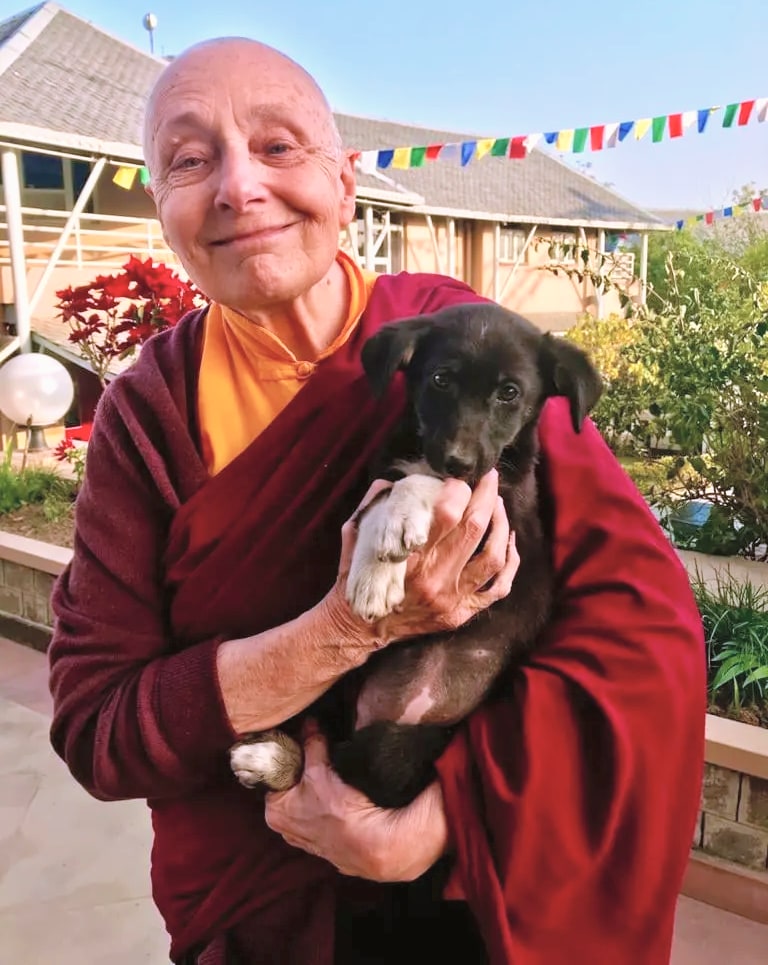
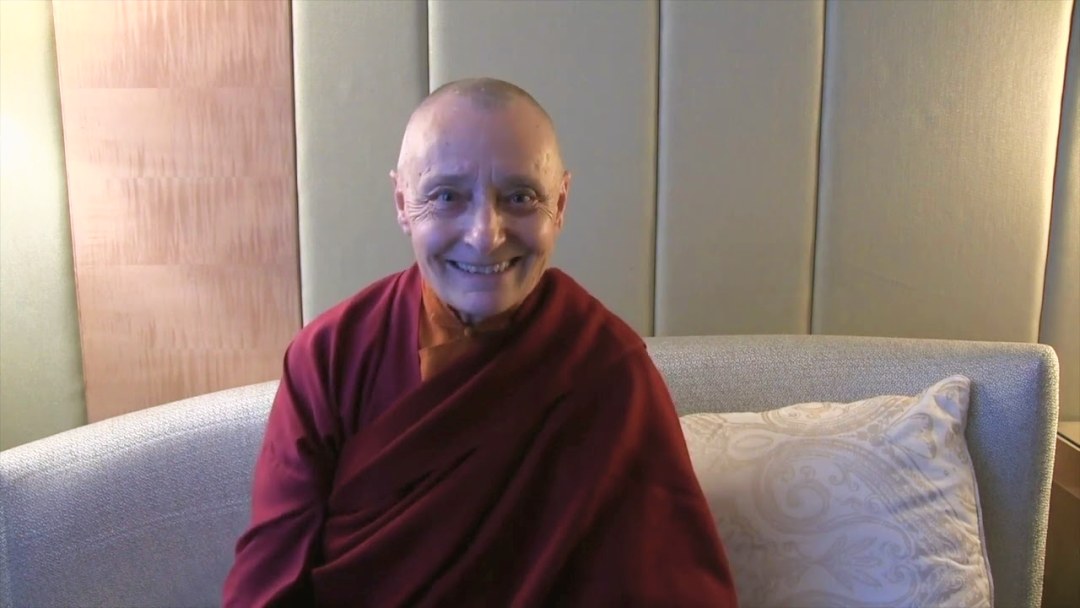
Jetsunma Tenzin Palmo
Buddhist Teacher · Tashi Jong
Chi è
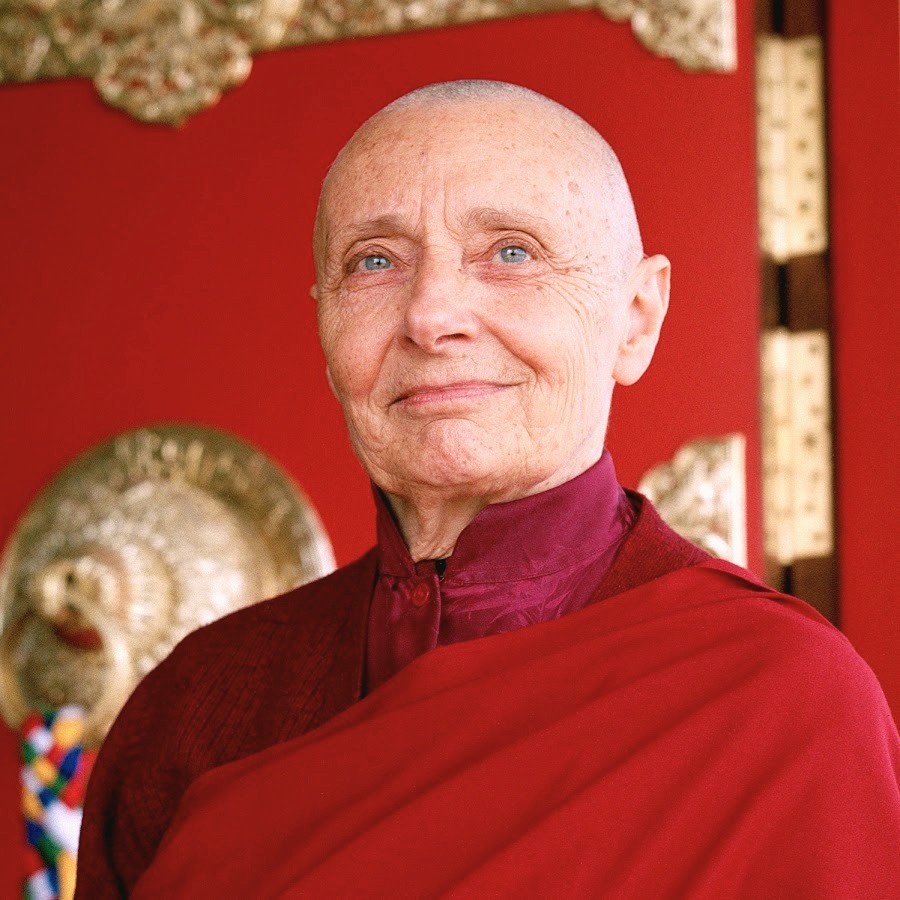
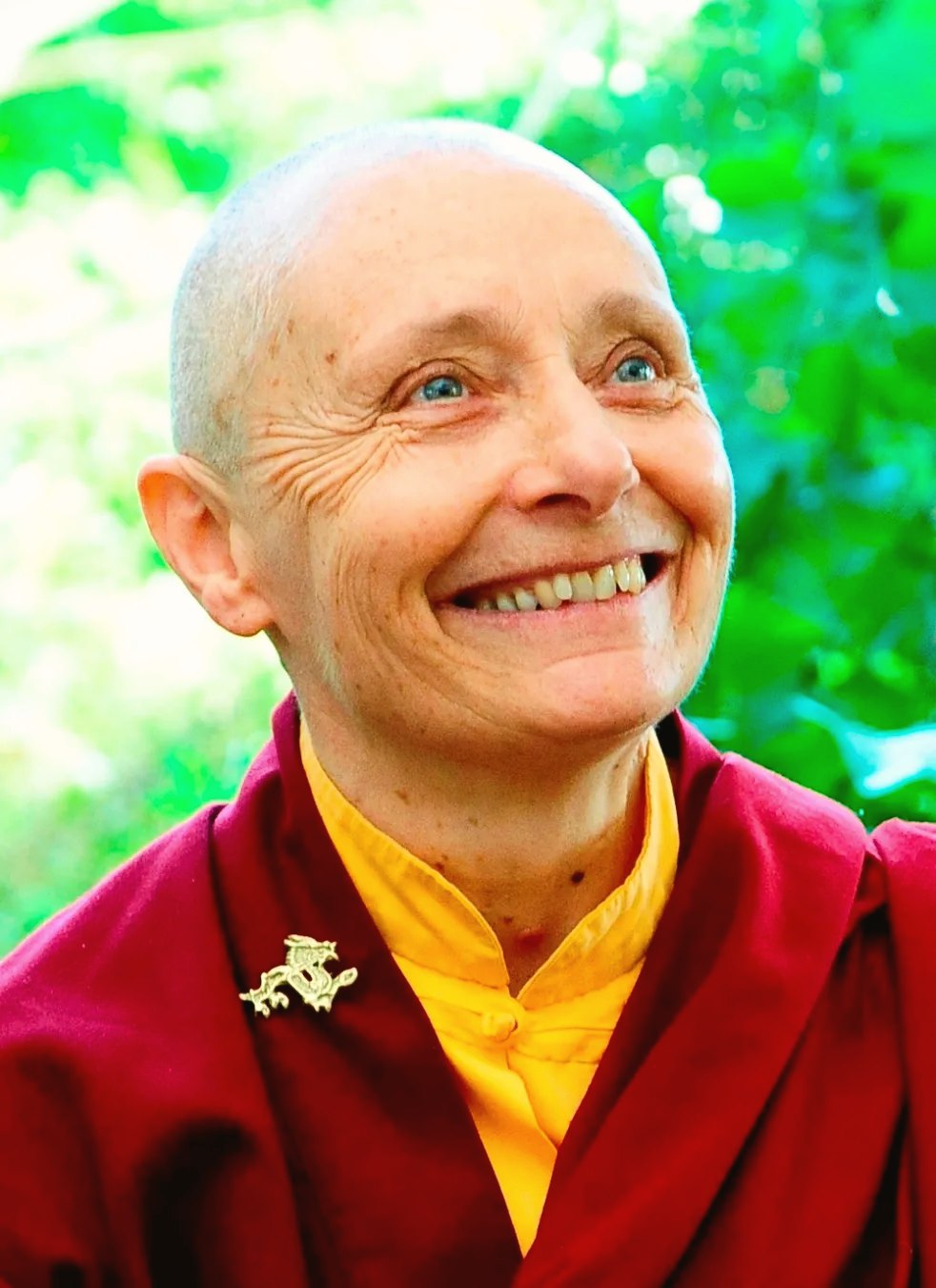
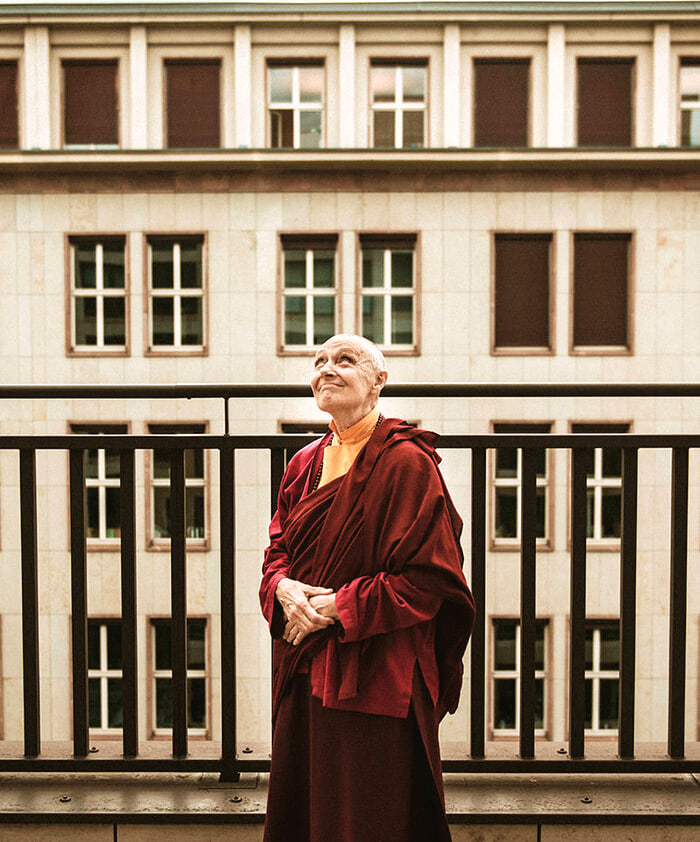
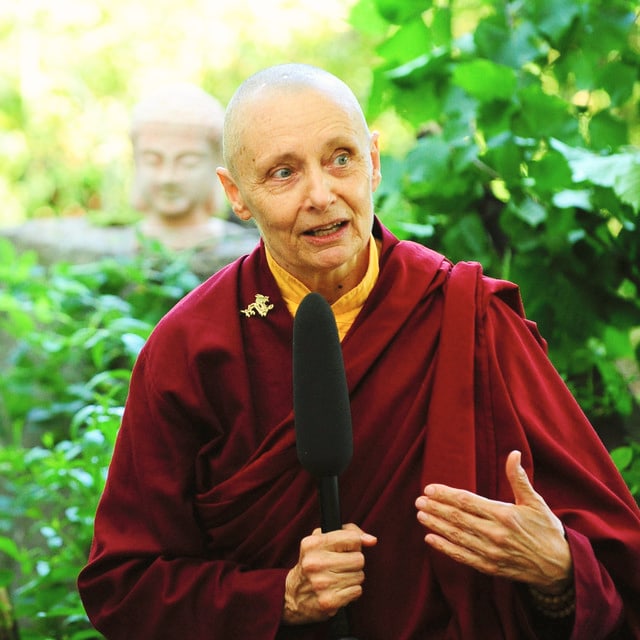
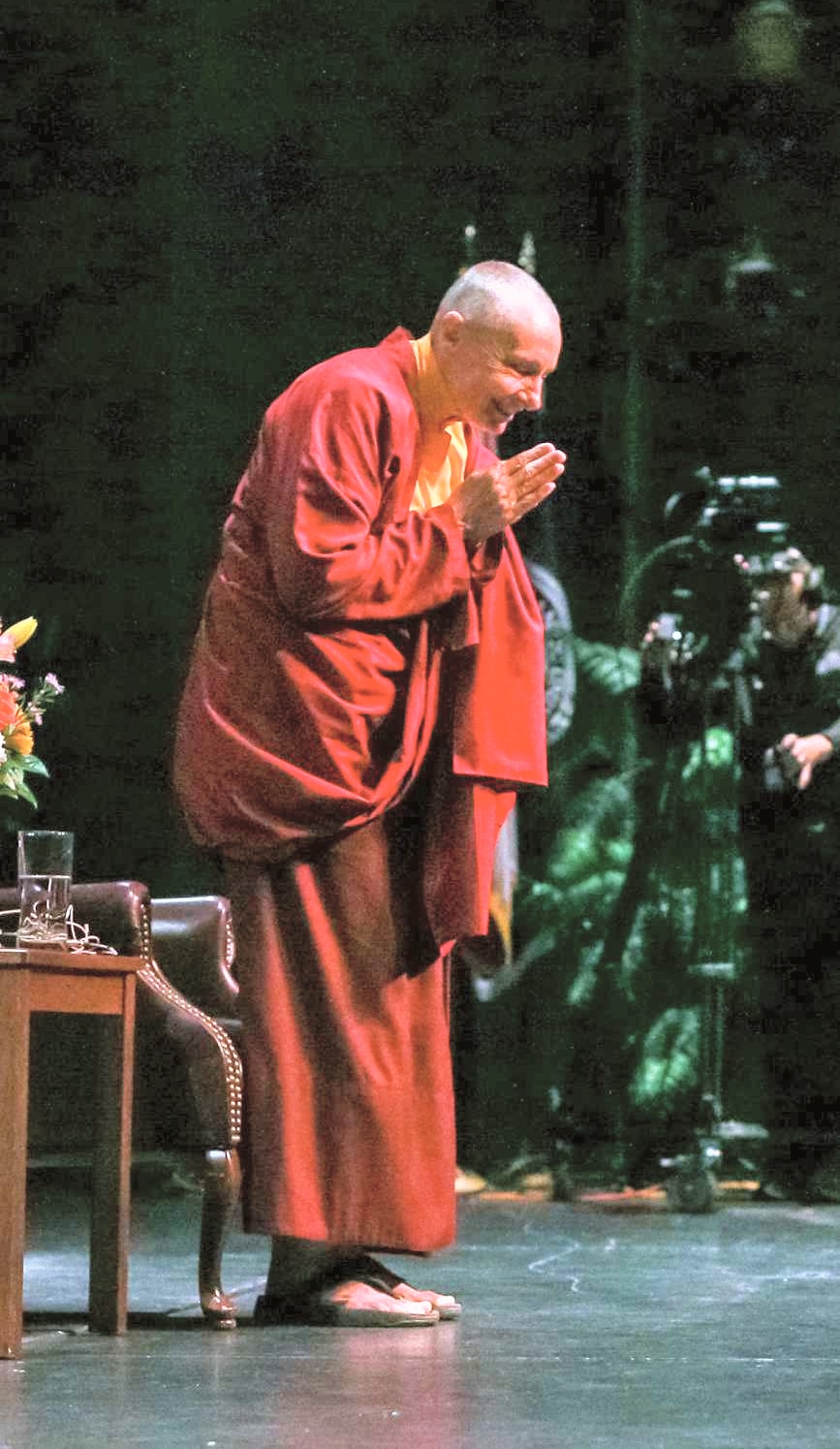
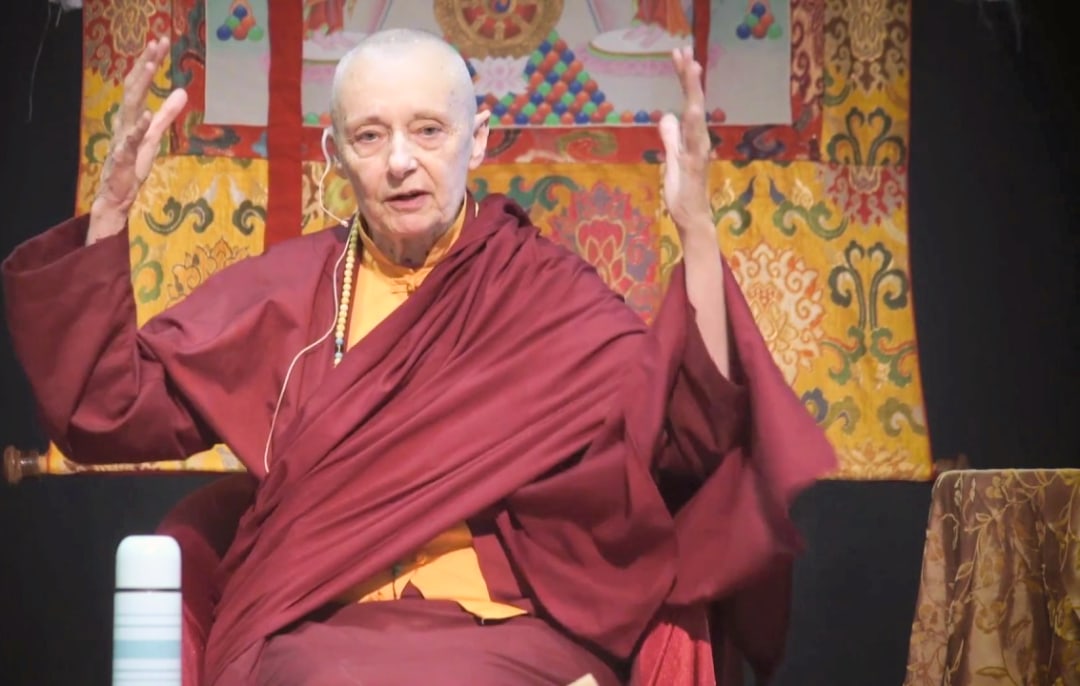
Jetsunma Tenzin Palmo is a Buddhist teacher, author, and the founder and director of Dongyu Gatsal Ling Nunnery in Himachal Pradesh, India. Born Diane Perry in London in 1943, she became one of the first Western women to be ordained in the Tibetan Buddhist tradition and is known for having spent twelve years in solitary retreat in a Himalayan cave, three of those years in strict closed retreat. Her work centers on the education and empowerment of women in Tibetan Buddhism, a tradition historically dominated by male monastics.
Jetsunma Tenzin Palmo is a Buddhist teacher, author, and the founder and director of Dongyu Gatsal Ling Nunnery in Himachal Pradesh, India. Born Diane Perry in London in 1943, she became one of the first Western women to be ordained in the Tibetan Buddhist tradition and is known for having spent twelve years in solitary retreat in a Himalayan cave, three of those years in strict closed retreat. Her work centers on the education and empowerment of women in Tibetan Buddhism, a tradition historically dominated by male monastics.
Jetsunma trained in the Drukpa Kagyu lineage under the guidance of the Eighth Khamtrul Rinpoche, whom she met in Dalhousie, India, in 1964. After her ordination as a novice nun, she lived in Lahaul, a remote region of the Indian Himalayas, where she eventually retreated into a cave at 13,200 feet. Her practice focused on the traditional Tibetan Buddhist three-year retreat format extended across twelve years, incorporating Mahamudra meditation and other Kagyu practices. This period of intensive solitary practice became the subject of Vicki Mackenzie's biography Cave in the Snow, published in 1998, which brought international attention to her story.
In 2000, Jetsunma established Dongyu Gatsal Ling Nunnery in Tashi Jong, Himachal Pradesh, as the first nunnery in the Drukpa Kagyu tradition to offer the full geshe degree equivalent to its residents. The nunnery houses over 100 nuns and offers a rigorous curriculum in Buddhist philosophy, debate, ritual arts, and meditation. Unlike many Tibetan Buddhist institutions that historically limited advanced scholastic training to monks, Dongyu Gatsal Ling provides nuns with access to the same level of education required for the title of togdenma, a female practitioner who completes the traditional three-year retreat. The institution operates entirely on voluntary donations and has become a model for female monastic education within Tibetan Buddhism.
Jetsunma received full bhikshuni ordination in Hong Kong in 2008, making her one of the few fully ordained nuns in the Tibetan tradition at a time when the bhikshuni lineage had not been widely restored in Tibetan schools. She was given the title "Jetsunma," meaning "Venerable Master," by His Holiness the Twelfth Gyalwang Drukpa in recognition of her spiritual accomplishments and leadership. She has since become a vocal advocate for the re-establishment of full ordination for women across all schools of Tibetan Buddhism.
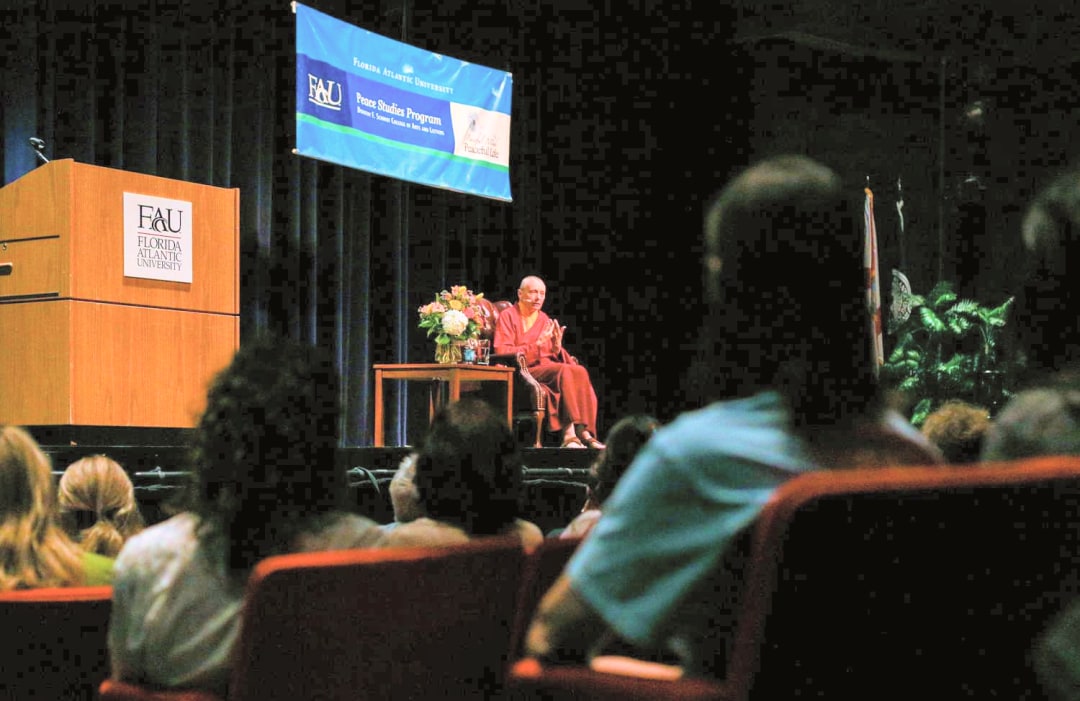
Her teachings, rooted in Mahamudra and Dzogchen practice, are documented in several books and a growing archive of video recordings available through her official YouTube channel. She has taught internationally at retreat centers, universities, and Buddhist communities across Europe, North America, Asia, and Australia. Her work has been featured in publications including Tricycle, Lion's Roar, and The Guardian. She continues to oversee the operations and curriculum of Dongyu Gatsal Ling and leads periodic teaching tours and retreats worldwide.
Jetsunma maintains an active online presence, including a website, Facebook page, and a Linktree hub established in February 2022 that consolidates access to her teachings, publications, and the nunnery's initiatives. She remains based at Dongyu Gatsal Ling, where she divides her time between administrative responsibilities, teaching the resident nuns, and supporting the expansion of educational opportunities for women in Tibetan Buddhism.
For those encountering her work today, Jetsunma Tenzin Palmo offers a rare combination of deep contemplative experience, institutional vision, and a commitment to gender equity within one of Buddhism's most traditional lineages.
Questions
Jetsunma Tenzin Palmo is the founder and director of Dongyu Gatsal Ling Nunnery, a monastic community housing over 100 nuns dedicated to rigorous Buddhist study and contemplative practice. She has become a significant figure in contemporary Buddhism largely because she established and continues to lead one of the few large-scale nunneries in the Tibetan Buddhist tradition where women can pursue advanced monastic education and ordination—a role historically restricted or marginalized in many Buddhist lineages. Her work addresses a fundamental gap in Buddhist institutional life: creating structures where female practitioners have equal access to scholarly training, philosophical debate, and long-term retreat practice. Beyond the nunnery itself, she has authored books and maintains an extensive archive of teachings available through her YouTube channel and official website, making her insights accessible to both monastics and lay practitioners globally. What distinguishes her in spiritual circles is not charisma or celebrity, but rather her commitment to the unglamorous, decades-long work of building and sustaining a functional monastic institution—a form of leadership that requires administrative acumen, fundraising resilience, and unwavering doctrinal commitment.
Jetsunma Tenzin Palmo works within the Tibetan Buddhist tradition, specifically grounded in the philosophical and meditative systems of that lineage. Her nunnery, Dongyu Gatsal Ling, emphasizes rigorous textual study alongside contemplative practice, a combination characteristic of Tibetan Buddhist monasticism where scholars and practitioners are expected to master both intellectual and experiential dimensions of the dharma. The nunnery's curriculum and approach reflect deep engagement with Buddhist philosophy, debate, and the monastic codes (Vinaya) that structure ordination and community life. Her teaching and institutional work are rooted in this living tradition, not in a contemporary repackaging or simplified interpretation of Buddhist concepts. The fact that Dongyu Gatsal Ling operates as a fully functional monastic community—supported entirely by voluntary contributions and dedicated to multi-year study programs—speaks to her commitment to preserving and adapting authentic Tibetan Buddhist institutional forms for contemporary practitioners, particularly women who have historically had fewer opportunities for such depth of engagement.
A newcomer with no prior Buddhist background should begin with her YouTube channel, which houses an archive of her recorded teachings presented in accessible language without requiring specialized knowledge of Buddhist philosophy or terminology. These videos allow you to encounter her teaching voice directly—her cadence, humor, and the specific way she frames Buddhist concepts for Western audiences—before committing to longer-form study. Her books, which she has authored, offer another entry point for those who prefer sustained written engagement; starting with introductory titles designed for lay practitioners provides context for her more specialized monastic teachings. For those interested in understanding the nunnery itself and her vision for Buddhist community building, her official website and Linktree hub (active since February 2022) provide an overview of the institution's purpose, structure, and how to support or engage with the community. If you're already familiar with Tibetan Buddhism or have some meditation practice, you might move more quickly into her more substantive teachings on doctrine and practice, but the video archive remains the most direct pathway to understanding who she is and what her work addresses.
While many Buddhist teachers offer meditation instruction or philosophical talks, Jetsunma Tenzin Palmo's distinction lies in her direct engagement with institutional leadership and the structural problems facing Buddhist communities in the West—specifically, her decades-long commitment to building and sustaining a functioning monastic nunnery rather than operating as an individual teacher or retreat facilitator. Her work addresses a concrete historical injustice: in most Tibetan Buddhist lineages, women have lacked equal access to the intensive scholarly training, ordination opportunities, and long-term retreat conditions available to monks. Rather than simply critiquing this gap, she created Dongyu Gatsal Ling as a direct alternative, a fully-operational community supporting over 100 nuns in rigorous study and practice. This places her in a different category from teachers who focus primarily on publishing, public speaking engagements, or individual student guidance—her primary work is institution-building and community management, which requires a particular kind of long-term commitment and administrative skill. Her teachings and writings emerge from this lived experience of sustaining a large monastic community, giving her perspective on Buddhist practice that is grounded in real institutional and spiritual complexity rather than theoretical frameworks alone.
Jetsunma Tenzin Palmo's work is fundamentally not suited for those seeking quick spiritual reassurance, feel-good affirmations, or teachings that promise personal transformation without rigorous engagement. Her approach—grounded in intensive study, monastic discipline, and traditional Tibetan Buddhist philosophy—demands patience, intellectual effort, and a willingness to sit with difficult or unfamiliar concepts. Someone looking for simplified wellness spirituality, chakra healing, or New Age interpretations of Buddhism will find her work austere and uncompromising by comparison. Her focus on institutional and communal practice, rather than individualized spiritual development or celebrity teacher charisma, may also alienate those seeking a guru figure or personal relationship with a famous teacher. Additionally, her work requires financial support for the nunnery—she is transparent that Dongyu Gatsal Ling depends entirely on voluntary contributions—so those uncomfortable with being asked to contribute to institutional sustainability may view her presence as transactional. Finally, for practitioners seeking music-based spirituality, devotional chant albums, or popular contemporary Buddhist teachers with large social media followings, her emphasis on traditional scholarship and monastic life will feel distant or overly academic rather than immediately inspiring.
Jetsunma Tenzin Palmo maintains a centralized hub through her Linktree profile (joined February 2022), which aggregates links to her official website, YouTube channel, social media platforms including Facebook, and other resources—this is the most reliable single point of contact for current information about her work. Her YouTube channel is actively updated with recorded teachings, offering both live talks and archival content available for free viewing, making it the primary resource for following her teaching output. Her official website provides institutional information about Dongyu Gatsal Ling Nunnery, details about supporting the community financially, and scheduling information for any public events or teachings she may offer. Facebook serves as a secondary platform where she or her team may announce events or share community updates, though the YouTube channel and website are more consistently maintained for core teaching content. For those interested in deeper engagement—whether attending retreats, visiting the nunnery, or receiving teachings directly—contacting the nunnery through her official website is the appropriate pathway, as this ensures inquiries reach the organization itself rather than relying on social media algorithms.
Across her teachings, Jetsunma Tenzin Palmo consistently addresses the intersection of Buddhist philosophy and Western life—how practitioners in contemporary secular societies can engage authentically with Tibetan Buddhist concepts without either watering them down or practicing in ways disconnected from modern contexts. A central theme is the role of rigorous intellectual study in spiritual development; she emphasizes that understanding Buddhist philosophy deeply, through debate and textual analysis, is not separate from meditation practice but essential to it. Her work also recurs on the question of gender and monastic life—how Buddhist institutions can be restructured to offer women genuine equality in access to ordination, teaching, and advanced practice, not merely symbolic inclusion. Community and institutional responsibility appear repeatedly in her teachings as spiritual concerns, not just logistical ones; she frames the work of maintaining a functioning monastery as itself a spiritual path requiring discipline, sacrifice, and bodhisattva commitment. Finally, she teaches extensively on the practical application of Buddhist ethics and philosophy to contemporary problems—how traditionally-grounded Buddhist perspectives can address modern social, psychological, and existential challenges without becoming a trendy therapeutic tool stripped of its deeper spiritual content.
Yes, Jetsunma Tenzin Palmo has authored books, though the data available does not specify individual titles or publication dates. Her published works are accessible through her official website and Linktree hub, which aggregate links to her publications. Books represent a complementary pathway to her video teachings—where YouTube offers immediate access to her voice and teaching style, her written work allows for sustained, self-paced engagement with her ideas and likely provides more detailed exploration of specific Buddhist philosophical topics. For a newcomer to her written work, starting with titles explicitly marketed as introductory or aimed at lay practitioners (rather than monastics or advanced practitioners) would be the logical approach, though her official website should clarify which books are entry-level versus specialized. Her authorship, combined with her archive of recorded teachings, positions her as someone whose work is documented across multiple formats—written, video, and potentially audio—so you can choose the medium that best suits your learning style while encountering consistent themes and teaching approach.
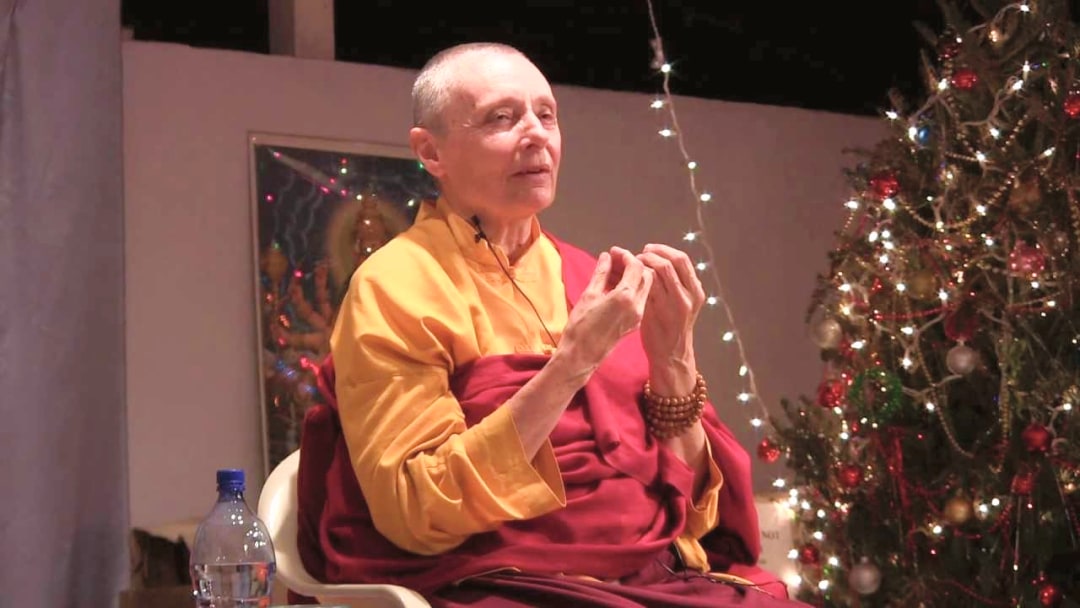
Those who encounter her through recorded teachings consistently note that she teaches with directness and intellectual precision rather than emotional appeal or inspirational rhetoric—she addresses complex Buddhist philosophy in clear language and seems uninterested in padding her teachings with reassurance or flattery. Her video archive reveals a teacher comfortable with silence, complexity, and questions that don't have quick answers, reflecting decades of engagement with serious Buddhist study and debate traditions. Viewers report that her teaching style rewards close attention; she moves deliberately through ideas rather than rushing, and assumes her audience has patience for nuance and is capable of holding contradictions or unfamiliar concepts. There is a consistency between her words and her institutional commitments—she teaches within a context where she is actively living the discipline and monastic practice she discusses, which lends her teaching credibility for those seeking teachers whose words align with their lived choices. The tone in her videos is neither warm nor cold but rather engaged and responsive, suggesting she sees teaching as intellectual and spiritual collaboration rather than as performance or celebrity interaction with followers.
Dongyu Gatsal Ling Nunnery is a monastic community founded and directed by Jetsunma Tenzin Palmo, currently housing over 100 ordained nuns engaged in rigorous Buddhist study and contemplative practice. The nunnery operates on the principle of providing women practitioners with equal access to scholarly training, philosophical debate, and advanced retreat conditions—institutional resources and opportunities historically reserved for male monastics in many Tibetan Buddhist lineages. The community is supported entirely through voluntary contributions, receiving no government funding or institutional endowment; this funding model means Jetsunma's work includes not only spiritual leadership but also ongoing fundraising and resource management to sustain the nunnery's operations. The nunnery's curriculum emphasizes both textual scholarship and meditative practice, reflecting a Tibetan Buddhist understanding that intellectual understanding of Buddhist philosophy and experiential cultivation of wisdom are interdependent rather than separate paths. The scale of the institution—over 100 nuns, with presumably multiple faculty, retreat facilities, and study programs—makes Dongyu Gatsal Ling a significant institutional presence in contemporary Buddhism, particularly notable because such large, fully-functional nunneries with comprehensive educational programs remain rare in the global Buddhist landscape.


Sei tu? Rivendica questa pagina ›
There's more where this came from.
BrightStar is the global directory of artists, teachers, and healers in the wellness and spiritual movement. Find your next experience — or add yourself.
Discover More Artists
Browse 14,000+ curated profiles across kirtan, yoga, meditation, and beyond.
Explore directory →Find an Event Near You
Kirtan, retreats, sound baths, breathwork, ceremonies — happening this week.
Browse events →Add Your Profile
Are you an artist, teacher, or healer? Get listed — free, AI-assisted, live in minutes.
Get started →