Trainings & Classes
Trainings & Classes
Ascolta
Ascolta

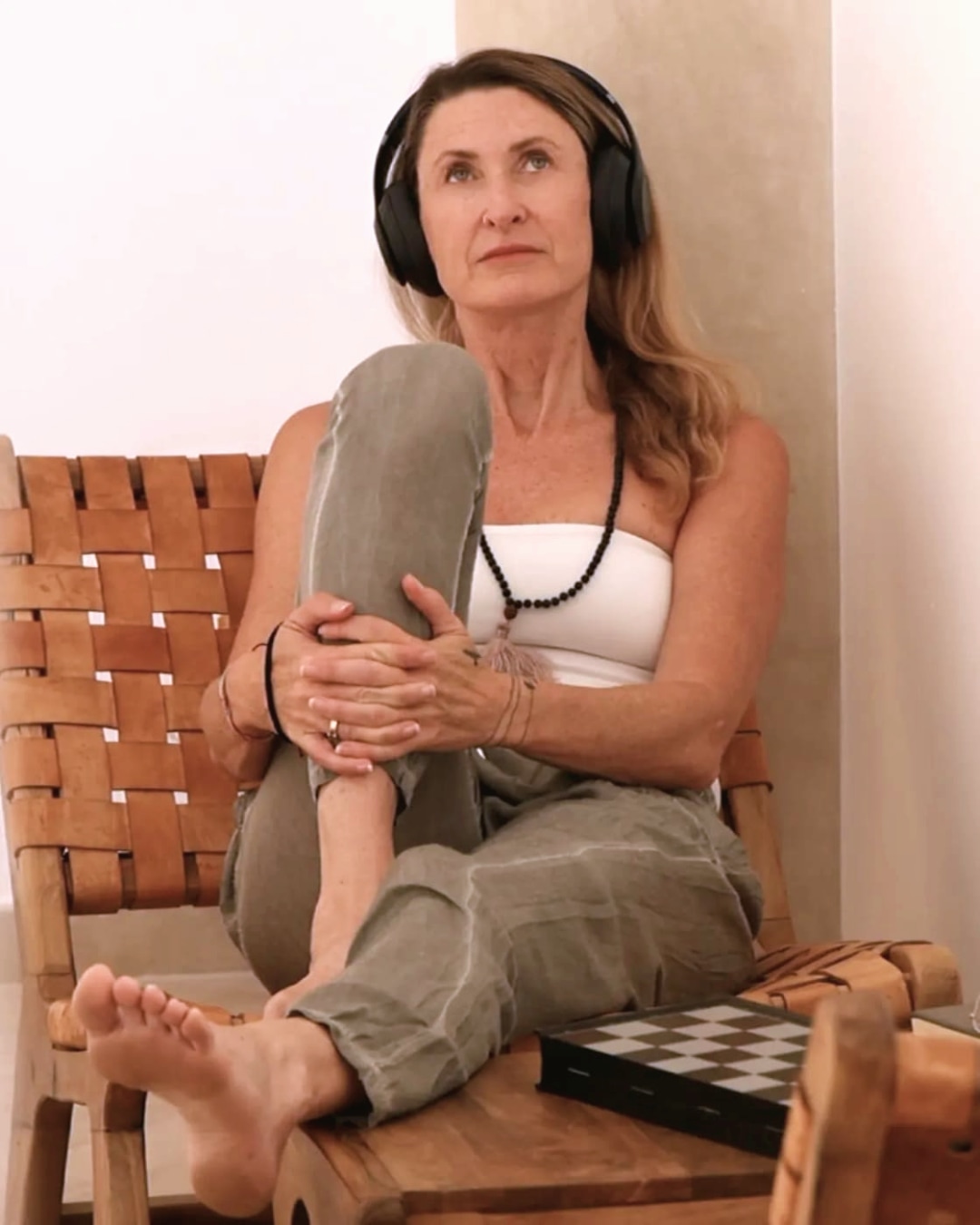

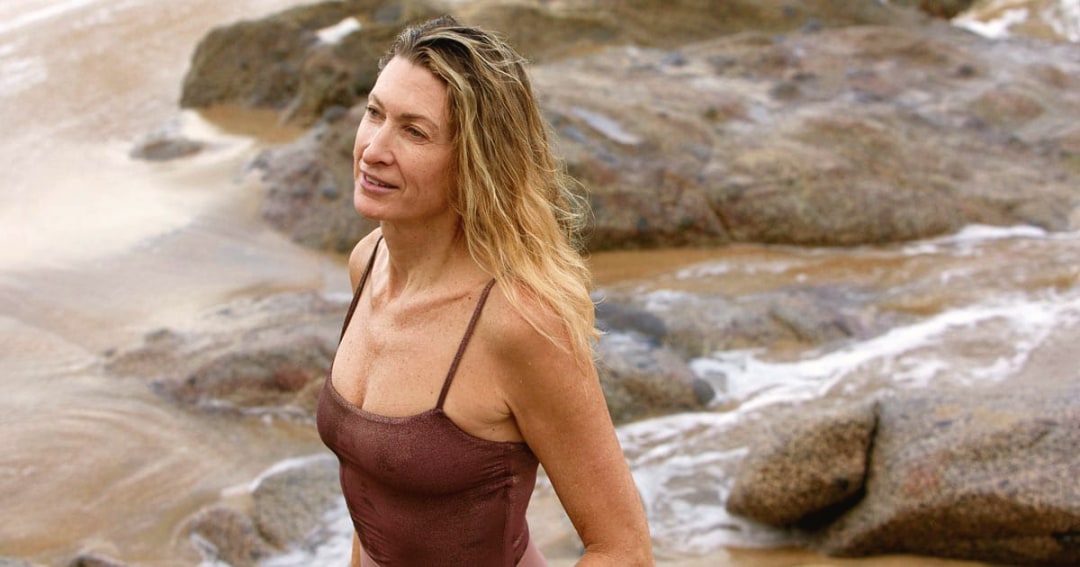
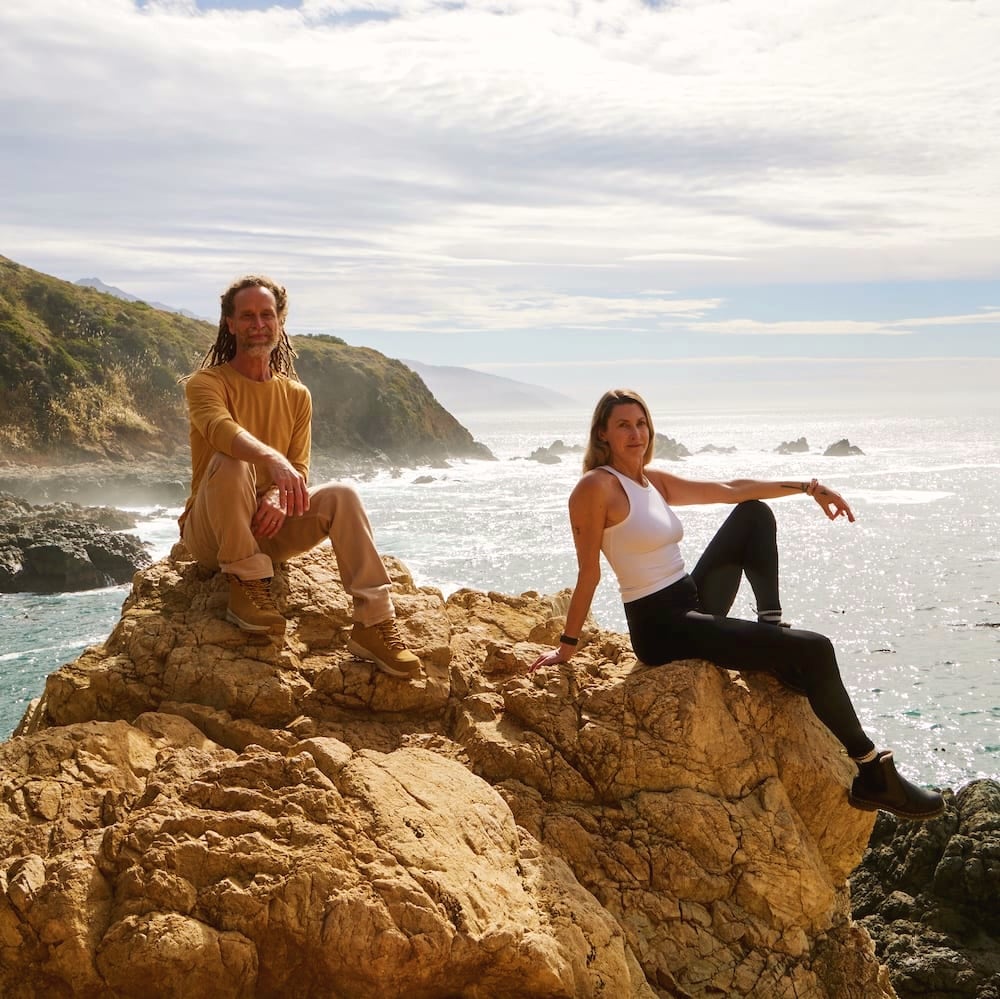
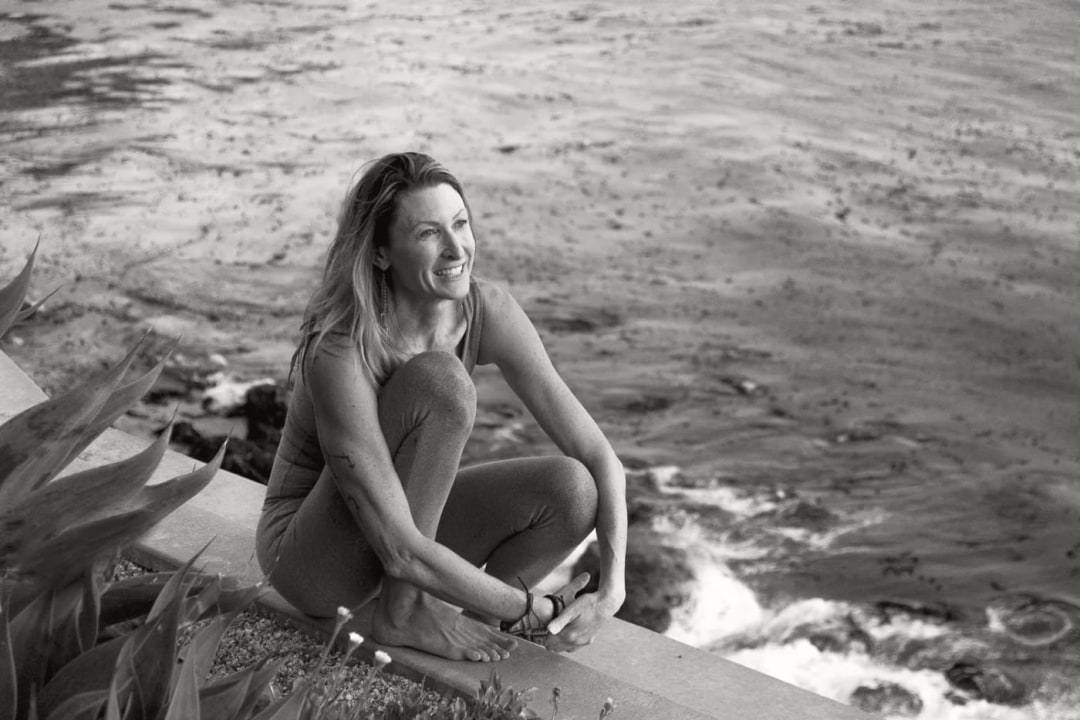

Yoga Teacher · San Francisco
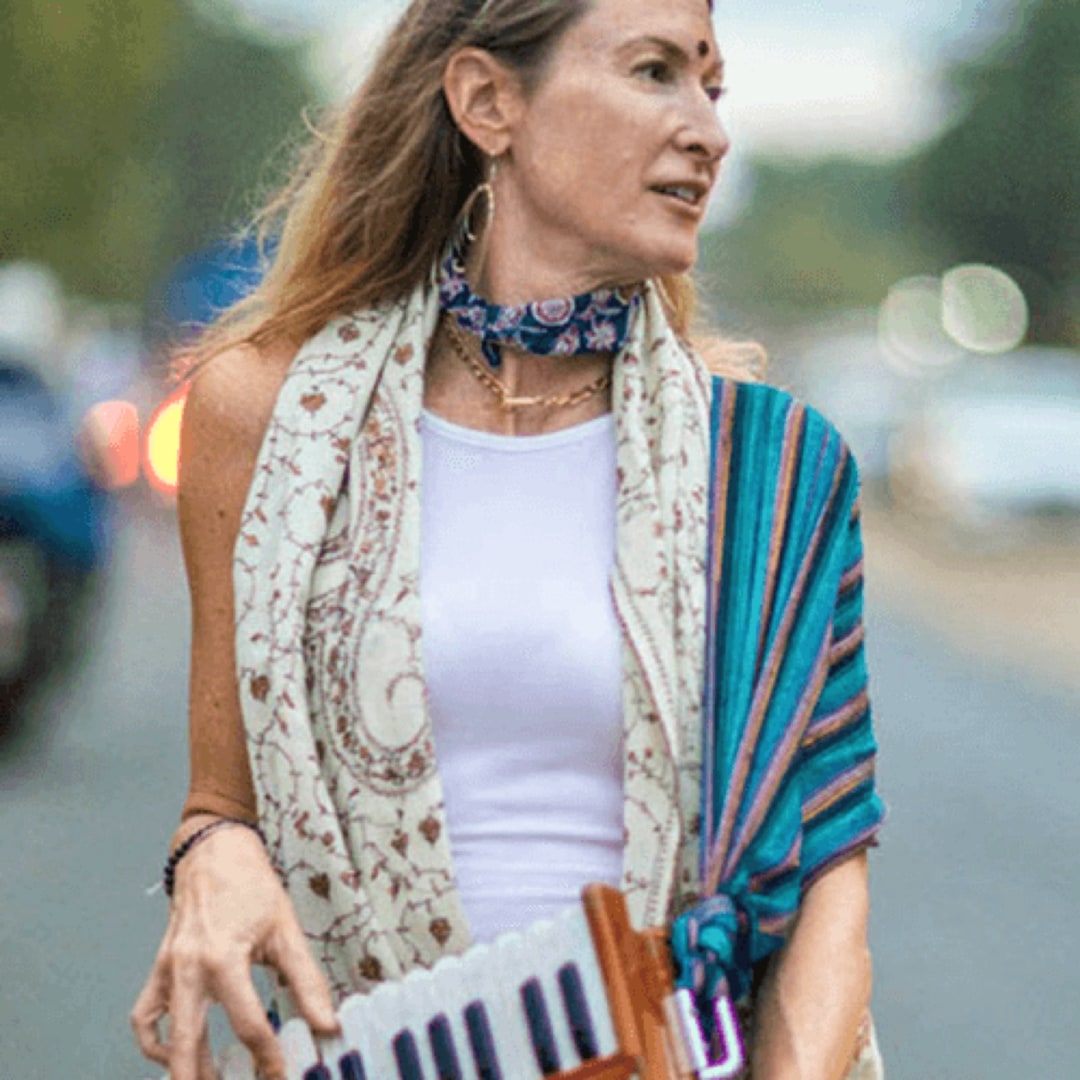
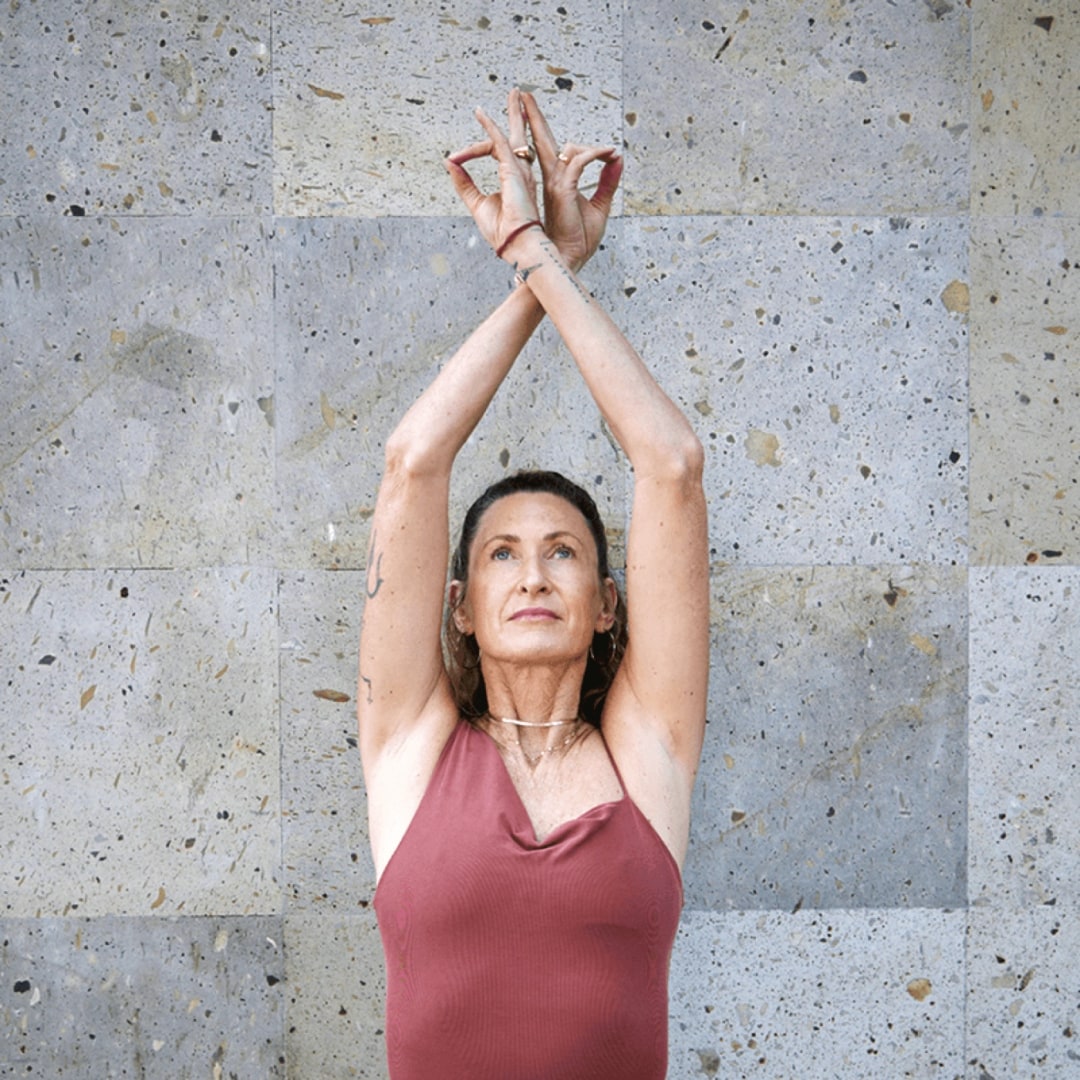
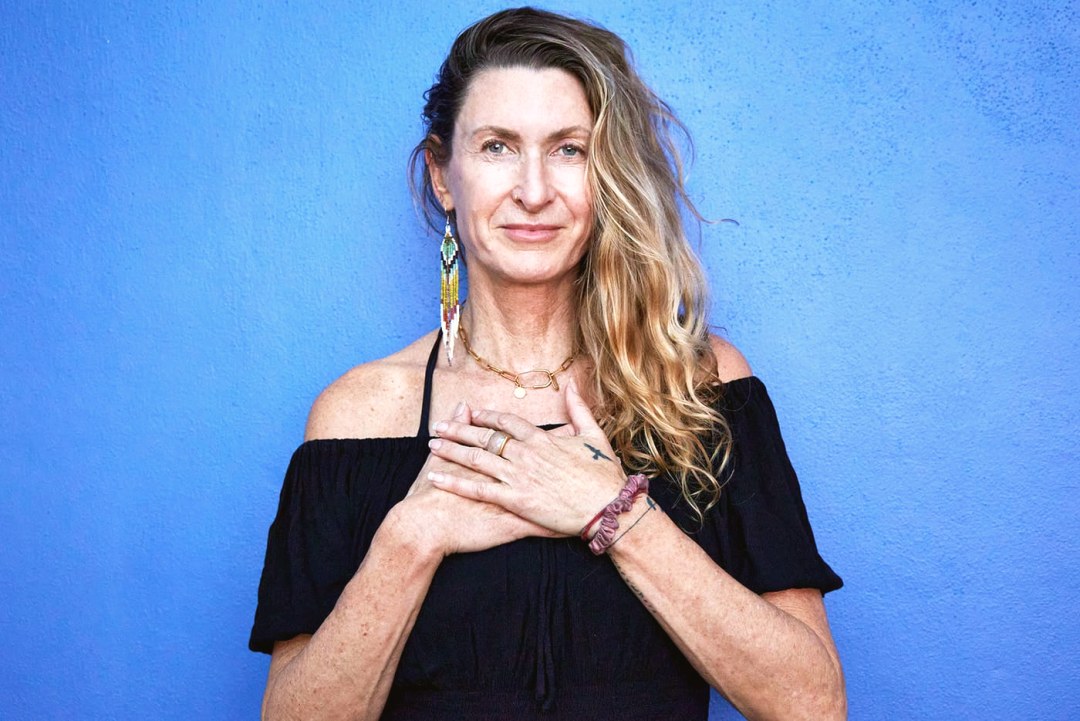
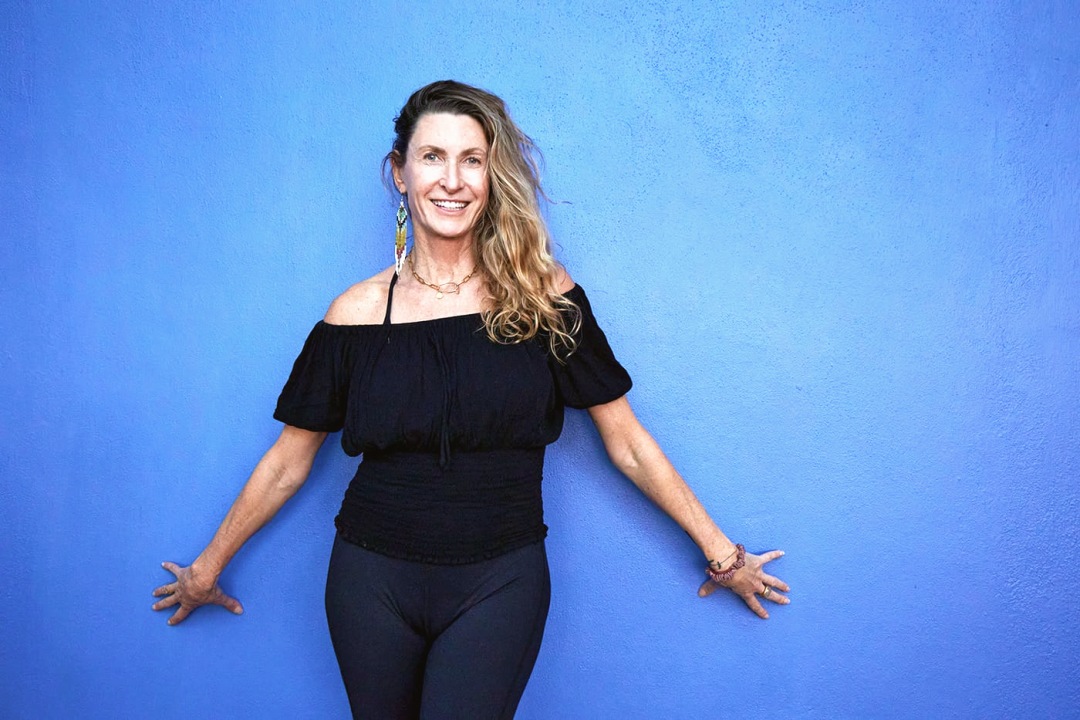
Janet Stone has been a student of yoga for over thirty years and a teacher for twenty. Her path began at 17 with a meditation teacher whose reverence for simplicity and joy still shapes her practice. She teaches from her own sadhana (sustained practice), her studentship in the eight-limbed path, a creative approach to asana, and a deep love of bhakti, the devotional, heart-centered side of yoga, including chanting mantra. Her classes invite students to investigate what they think they know, to hold compassion for what they find, and to remember presence and our interconnectedness.
Janet Stone has been a student of yoga for over thirty years and a teacher for twenty. Her path began at 17 with a meditation teacher whose reverence for simplicity and joy still shapes her practice. She teaches from her own sadhana (sustained practice), her studentship in the eight-limbed path, a creative approach to asana, and a deep love of bhakti, the devotional, heart-centered side of yoga, including chanting mantra. Her classes invite students to investigate what they think they know, to hold compassion for what they find, and to remember presence and our interconnectedness.
She grew up on land in Northern California, rescuing animals, milking goats and baling hay, and later lived in Oregon and Colorado. She spent nearly a dozen years in film and TV production in Hollywood. In 1996 she took a solo journey around the world and traveled to India, the birthplace of her grandfather, where she became dedicated to the path of yoga. She has lived in Northern California since 2001, raising two daughters and building a yoga community there.
Based in San Francisco, Janet leads retreats, workshops and teacher trainings, and offers an online platform and three devotional albums of mantra. Through Stone Yoga School she guides 200-hour, 300-hour and 1008-hour programs, taught virtually, in person or in a hybrid format. The school is a global sangha, and more than 200 people have graduated from her 200-hour and 300-hour programs.
Janet Stone is a San Francisco-based yoga teacher whose authority comes from three decades of embodied practice and twenty years of teaching. She carries the lineage of Maharaji, her meditation teacher from age seventeen whose emphasis on simplicity and joy still shapes how she guides students. Stone Yoga School, which she founded, has graduated more than two hundred students from its 200- and 300-hour trainings alone, and she continues to teach through retreats, workshops, and an online platform that reaches practitioners globally. What distinguishes her in a crowded teacher landscape is her refusal to separate yoga—the asana, the breath, the philosophy—from the devotional heart of bhakti practice and mantra chanting. Her students return because she teaches from lived experience, not theory, and because she invites investigation rather than compliance.
Janet Stone's practice is rooted in bhakti yoga, the devotional, heart-centered path that treats yoga not as physical achievement but as a means to presence and interconnection. Her studentship in the eight-limbed path—the traditional framework of yoga philosophy—gives her teaching rigor and depth. She was initiated into this dedication during a journey to India in 1996, recognizing in her grandfather's birthplace the spiritual home she'd been seeking. Her meditation teacher, Maharaji, established the reverence for simplicity that remains visible in how she teaches: no excess, no ego, just sustained practice and the return to joy. This lineage emphasizes sadhana—the committed, daily practice that transforms not just the body but the student's relationship to themselves and all beings.
If you're new to yoga entirely, a single in-person or online class with Janet is more valuable than reading about her philosophy—she teaches students how to move and breathe and feel before introducing the deeper frameworks. Her classes invite investigation of what you think you already know, which means beginners leave feeling both challenged and held. If you prefer self-directed learning, her book "Stories of Our Lives" offers a written entry point to how she understands yoga off the mat. For those specifically drawn to mantra and bhakti practice, her devotional recordings are accessible starting points, though the experience of chanting with other practitioners in person—in a retreat or group session—lands differently than listening alone. Her online platform, which she maintains alongside her in-person teaching, lets you sample different aspects of her work before committing deeper engagement.
Janet's signature move is refusing to separate asana from bhakti, the body work from the devotional heart. Most contemporary yoga teachers emphasize the physical practice and treat mantra or chanting as supplementary; she integrates them as inseparable. Her background—dancing, making films, rescuing animals on her family's land—gives her a creative, grounded approach to teaching yoga that doesn't sound like anyone else. She also emphasizes the teacher-as-eternal-student framework; she describes herself as "always a student," which shows up in her classes as genuine curiosity about what her students discover rather than a position of authority. The Maharaji lineage means her teaching prioritizes joy and simplicity over complex philosophy or extremity.
If you're seeking a yoga practice that is purely physical—no spirituality, no mantra, no devotion—Janet's classes aren't the fit. Her integration of bhakti and mantra is central to what she offers, so students uncomfortable with chanting or the devotional language of yoga will find it inescapable. Students looking for intense, power-focused asana practice may find her approach frustratingly slow and contemplative. Similarly, if you prefer a teacher who positions themselves as an expert transmitting knowledge, rather than a guide who investigates alongside you, her invitation to question and explore might feel less structured than what you need. The focus on interconnectedness and presence can feel abstract to seekers wanting highly prescriptive, outcome-oriented teaching.
Janet maintains an online presence through her website at janetstoneyoga.com, which lists her retreats, workshops, and teacher trainings with current scheduling. Her YouTube channel hosts recorded teachings and practices that you can access on your own schedule and explore her approach to asana and meditation. She's also present on Spotify, where her three devotional albums of mantra are available for listening, whether as background for your own practice or as devotional chanting. Her online platform—separate from YouTube—offers structured classes and sessions for remote students and is the primary way to engage with her teaching if you're outside the San Francisco Bay Area. Most of her deepest work centers on in-person gatherings: retreats, intensives, and the full residency trainings through Stone Yoga School, so regularly checking her website and signing up for her mailing list is essential if you want to study with her directly.
Janet teaches with the precision of someone who has studied asana deeply alongside the gentleness of someone rooted in bhakti. A class with her includes physical instruction but also invitations to pause, to notice, to investigate what arises in your own body and mind without judgment. She emphasizes compassion for what you discover—which is not the same as pushing harder or optimizing. Her retreats and workshops tend to weave together asana, pranayama (breath work), meditation, and chanting, treating them as a unified practice rather than separated modalities. She's comfortable with silence and doesn't fill space with unnecessary talking; students often report that her presence—calm, attentive, genuinely curious about their experience—creates safety for deeper work.
Presence—the return to what's actually happening in your body and mind in this moment—appears across all of Janet's teaching. She emphasizes the interconnectedness of all beings, a principle rooted in both yoga philosophy and her own early life rescuing animals on her family's land. Compassion for yourself and others is not sentimental in her teaching but rather a direct practice outcome: when you notice what you think you know, you hold space for your own experience and others' differently. The reverential treatment of simplicity, inherited from Maharaji, means she teaches that profound shifts don't require complexity. Sadhana—the idea of sustained, devoted practice—underpins everything; she doesn't sell quick transformation but the slow, deep work of showing up to yourself.
Janet is the author of "Stories of Our Lives," a written exploration of yoga as a lived path that draws on her decades of teaching and personal practice. The book represents her thinking about how yoga—the asana, the breath, the devotion, the investigation of what we carry—transforms students over time rather than offering quick fixes or temporary benefits. Beyond this published work, her teaching exists primarily through direct transmission: classes, retreats, teacher trainings, and recorded sessions available on her online platform and YouTube channel. While "Stories of Our Lives" is her core published work where you can encounter her voice in writing, she hasn't produced an extensive body of written material; her primary medium remains teaching in presence and through recorded guidance. If you're drawn to her philosophy and approach, the book and her recorded teachings work together to offer a multidimensional entry into her work.
No formal background is required to start studying with Janet, though she assumes a genuine interest in yoga as a spiritual path—not as a physical workout or wellness routine. If you're completely new to asana (the physical practice), a beginner's class or even a private consultation before a retreat is wise, since she doesn't slow-play fundamental alignment in group settings; she assumes students can link breath to movement. Her references to the eight-limbed path and sadhana assume some curiosity about yoga's philosophical roots, but she doesn't require you to have read classical texts beforehand—she introduces what matters as you practice and understand its relevance. If you're uncomfortable with or skeptical about mantra and chanting, that's worth addressing honestly before enrolling in intensive training or retreats, since those elements are non-negotiable in her approach to bhakti. The main prerequisite is genuine openness to investigation—willingness to look at what you're thinking and feeling without defensive posturing.
Sei tu? Rivendica questa pagina ›
BrightStar is the global directory of artists, teachers, and healers in the wellness and spiritual movement. Find your next experience — or add yourself.
Browse 14,000+ curated profiles across kirtan, yoga, meditation, and beyond.
Explore directory →Kirtan, retreats, sound baths, breathwork, ceremonies — happening this week.
Browse events →Are you an artist, teacher, or healer? Get listed — free, AI-assisted, live in minutes.
Get started →