BrightStar
BlogI miei biglietti
Language
BlogI miei bigliettiSaved events
RegistratiAccedi
  • Sfoglia tutti i Eventi
  • Per i ricercatori
  • Yoga
  • Meditazione
  • Breathwork
  • Musica sacra
  • World music
  • Musica medicina
  • Sound healing
  • Danza estatica
  • Cerimonia
  • Medicina delle piante
  • Ritiri
  • Workshop
  • Tutte le categorie →
  • Bali
  • Sedona
  • Los Angeles
  • Costa Rica
  • Byron Bay
  • San Francisco
  • Austin
  • New York
  • San Diego
  • Seattle
  • Tutte le città →
  • Pubblica gratis il tuo evento
  • Join the Movement
  • Why we list
  • Sell Globally
  • Per i creatori
  • Per team
  • Per gli scrittori
  • Per gli insegnanti
  • Per gli artisti kirtan
  • Per gli studi
  • Per i festival
  • Per i centri ritiro
  • Per le no-profit
  • Ambasciatore del brand
  • Biglietteria gratuita
  • Elevate
  • Amplify
  • Rete di 500K+ acquirenti
  • Recupero carrelli abbandonati
  • Categorie di biglietti
  • Eventi ricorrenti
  • Posti assegnati
  • Sistema affiliati
  • Lista d'attesa / Notifica
  • Scanner biglietti
  • Widget incorporabile
  • Distribuzione eventi
  • Centro messaggi
  • Integrazioni
  • Report
  • Tutte le funzionalità →
  • Chi siamo
  • L’ecosistema
  • Blog
  • Glossario
  • Ispirazione
  • Centro assistenza
  • Contatti
  • Documentazione API
  • Risorse del brand
  • Carriere
  • Stampa
  • Termini di servizio
  • Informativa sulla privacy

Eventi

  • Sfoglia tutti i Eventi
  • Per i ricercatori
  • Yoga
  • Meditazione
  • Breathwork
  • Musica sacra
  • World music
  • Musica medicina
  • Sound healing
  • Danza estatica
  • Cerimonia
  • Medicina delle piante
  • Ritiri
  • Workshop
  • Tutte le categorie →

Destinazioni

  • Bali
  • Sedona
  • Los Angeles
  • Costa Rica
  • Byron Bay
  • San Francisco
  • Austin
  • New York
  • San Diego
  • Seattle
  • Tutte le città →

Per i creatori

  • Pubblica gratis il tuo evento
  • Join the Movement
  • Why we list
  • Sell Globally
  • Per i creatori
  • Per team
  • Per gli scrittori
  • Per gli insegnanti
  • Per gli artisti kirtan
  • Per gli studi
  • Per i festival
  • Per i centri ritiro
  • Per le no-profit
  • Ambasciatore del brand
  • Biglietteria gratuita
  • Elevate
  • Amplify

Funzionalità

  • Rete di 500K+ acquirenti
  • Recupero carrelli abbandonati
  • Categorie di biglietti
  • Eventi ricorrenti
  • Posti assegnati
  • Sistema affiliati
  • Lista d'attesa / Notifica
  • Scanner biglietti
  • Widget incorporabile
  • Distribuzione eventi
  • Centro messaggi
  • Integrazioni
  • Report
  • Tutte le funzionalità →

Azienda

  • Chi siamo
  • L’ecosistema
  • Blog
  • Glossario
  • Ispirazione
  • Centro assistenza
  • Contatti
  • Documentazione API
  • Risorse del brand
  • Carriere
  • Stampa
  • Termini di servizio
  • Informativa sulla privacy
Scarica l'app
Scarica suApp StoreDisponibile suGoogle Play
© 2026 BrightStar. Tutti i diritti riservati. Crediti fotografici ·
✨ Harpa Dei’s profile is unclaimedClaim Profile
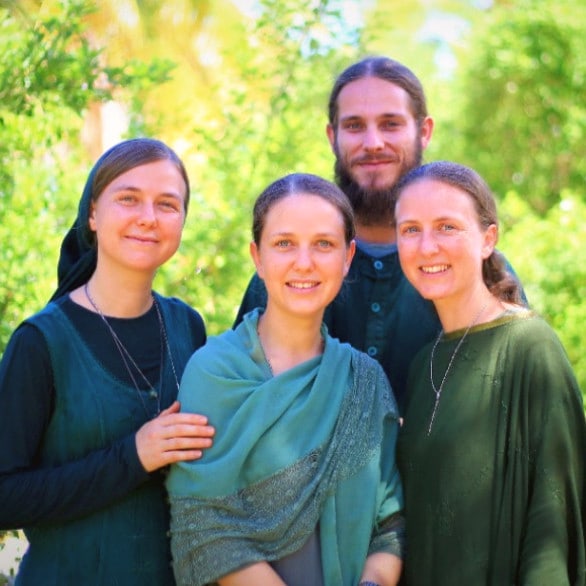
Harpa Dei
HD
Harpa Dei

Harpa Dei

Gregorian Chant Artist

Sito web

Chi è

) into the 13th century. Differing from the lyres of the Mediterranean antiquity, Germanic lyres are characterised by a long, shallow and broadly rectangular shape, with a hollow soundbox curving at the base, and two hollow arms connected across the top by an integrated crossbar or ‘yoke’. D. The plucked variants declined in the medieval era (spreading less often in manuscripts in the 13th century), while bowed variants have survived into modern times. C. , and separately by Germanic peoples. They were played in Anglo-Saxon England, and more widely, in Germanic regions of northwestern Europe. D. The Germanic lyre has been thought to be a descendant of the ancient lyre which originated in western Asia.

That same instrument was adopted in Ancient Egypt and also by the Ancient Greeks as the cithara. The rotte is shaped differently than these, however, and discoveries from further east has led to the possibility that it arrived with invading tribes. The oldest rotte found in England dates possibly before 450 AD and the most recent dates to the 10th century. The Germanic lyre was depicted in manuscript illuminations and mentioned in Anglo-Saxon literature and poetry (as the hearpe). Despite this, knowledge of the instrument was largely forgotten, and it was confused with the later medieval harp. Then in the 19th century, two lyres (Oberflacht 84 and 37) were found in cemetery excavations in southwest Germany, giving concrete examples of the Germanic lyre's existence. " The direction of the spread of the instrument is uncertain. The instrument may have developed in several locations. Other possibilities include an Irish instrument that spread eastwards to Germany, or an instrument of central Europe that spread northwest.

Across Europe, lyres were named with etymologically related variations: crwth, cruit, crot (Celtic); rote and crowd (English); rota, rotta, rote, rotte (French, English, German, Provencal). The instrument disappeared in most of Europe, surviving in Scandinavia, and elsewhere remembered in medieval images and in literature. D. manuscript and labeled the instrument the Cythara Teutonica. After archeological finds, the instrument has been recreated and studied anew, labeled Germanic round-lyre, Anglo-Saxon lyre, Germanic lyre and Viking lyre today. Historical names include rotta (and variations rota, rotte, rote, Harpa (Old Norse) and hearpe (Old-English). Medieval clerics sometimes used lyra, recalling classical Greece and Rome.

Sacred MusicGregorian ChantCatholic MusicHymns
67K on Spotify693K on YouTube2K on Instagram

Connect

Official Websiteharpadei.com
Spotify67K followers
YouTube693K subscribers
Instagram2K followers

Stay in Touch

Create your BrightStar account

Follow Harpa Dei and discover other retreats, teachers, and gatherings across the conscious wellness world. New programs, early-bird pricing, and seasonal guides — once a month.

or

Free BrightStar account. Follow venues and teachers, save events, get personalized recommendations across the conscious wellness ecosystem.

For Event Creators

Be the Change.Keep the Change!

A free ticketing platform built for retreats, kirtans, and festivals. Set up an event in minutes — no contracts, no per-ticket fees, no catch.

$0
Forever
∞
Events
0
Contracts
100%
Yours
Try the Demo→Learn more

Kindred Spirits

Ayla Nereo

Ayla Nereo

522K listeners
Beautiful Chorus

Beautiful Chorus

814K listeners
Tina Malia

Tina Malia

147K listeners
Suzanne Sterling

Suzanne Sterling

8K listeners
Wah!

Wah!

68K listeners
Donna De Lory

Donna De Lory

Sei tu? Rivendica questa pagina ›

There's more where this came from.

BrightStar is the global directory of artists, teachers, and healers in the wellness and spiritual movement. Find your next experience — or add yourself.

Discover More Artists

Browse 14,000+ curated profiles across kirtan, yoga, meditation, and beyond.

Explore directory →

Find an Event Near You

Kirtan, retreats, sound baths, breathwork, ceremonies — happening this week.

Browse events →

Add Your Profile

Are you an artist, teacher, or healer? Get listed — free, AI-assisted, live in minutes.

Get started →