Read
Books
Bibliography coming soon.
Guarda
Gerald Blomeyer: Was ist Drang-Surfen? Meditation ab 07:15
Guarda
Watch

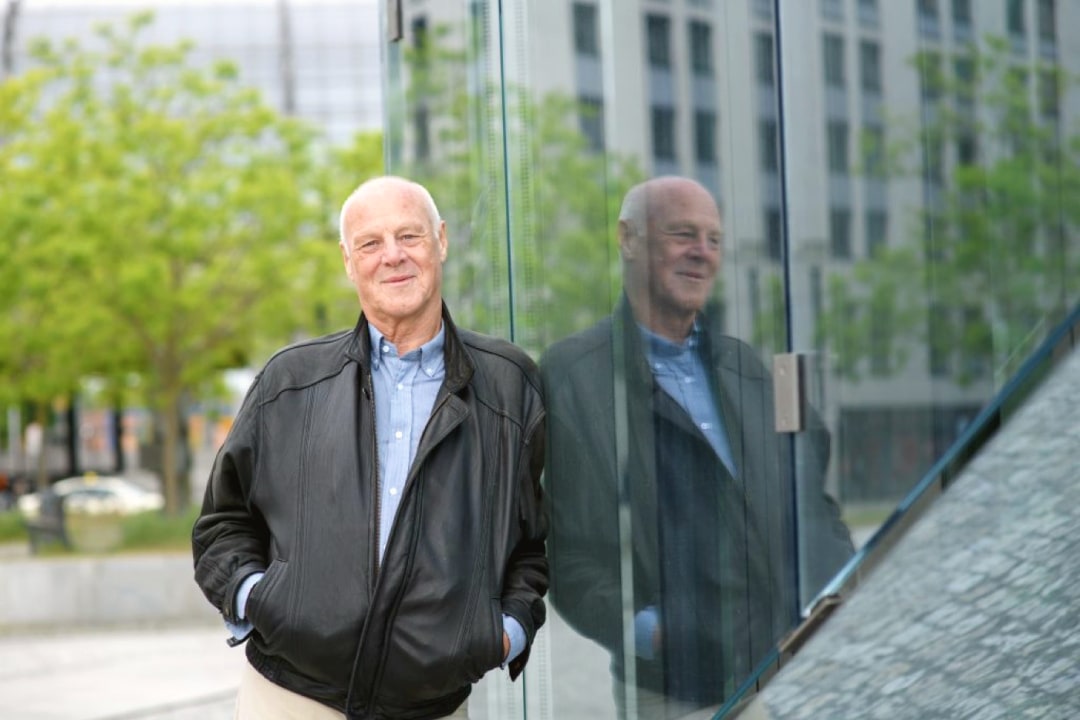
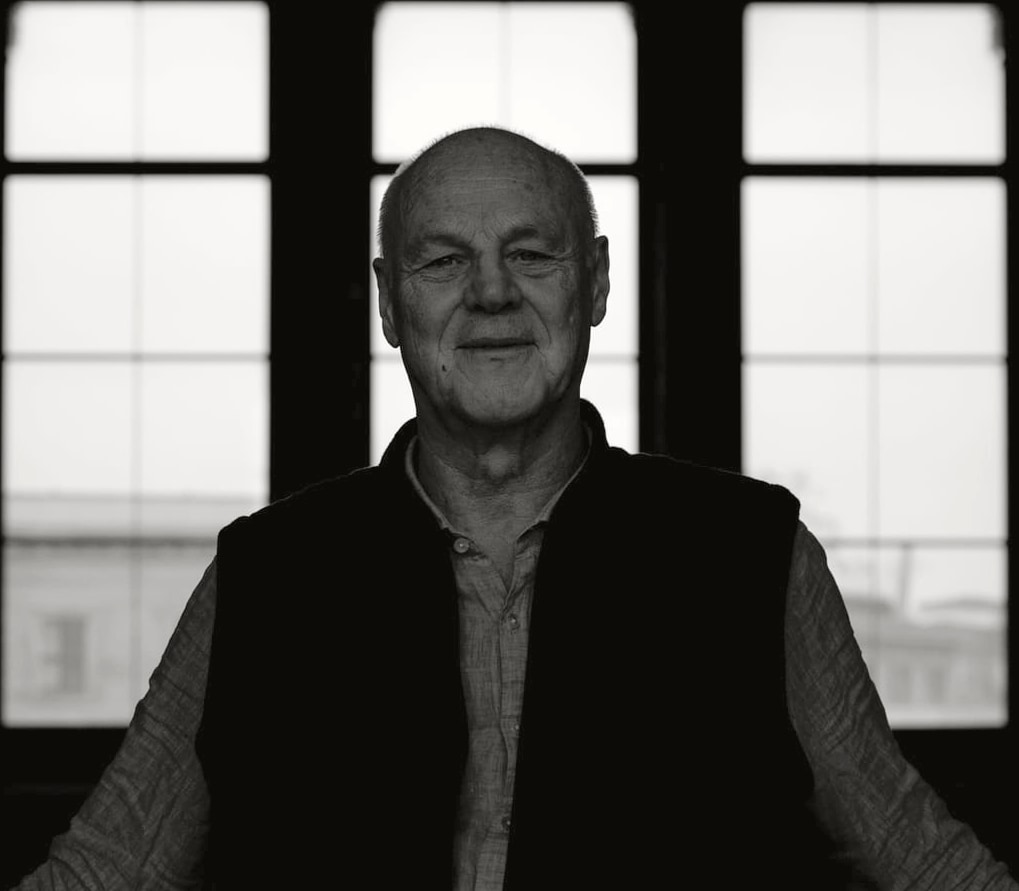

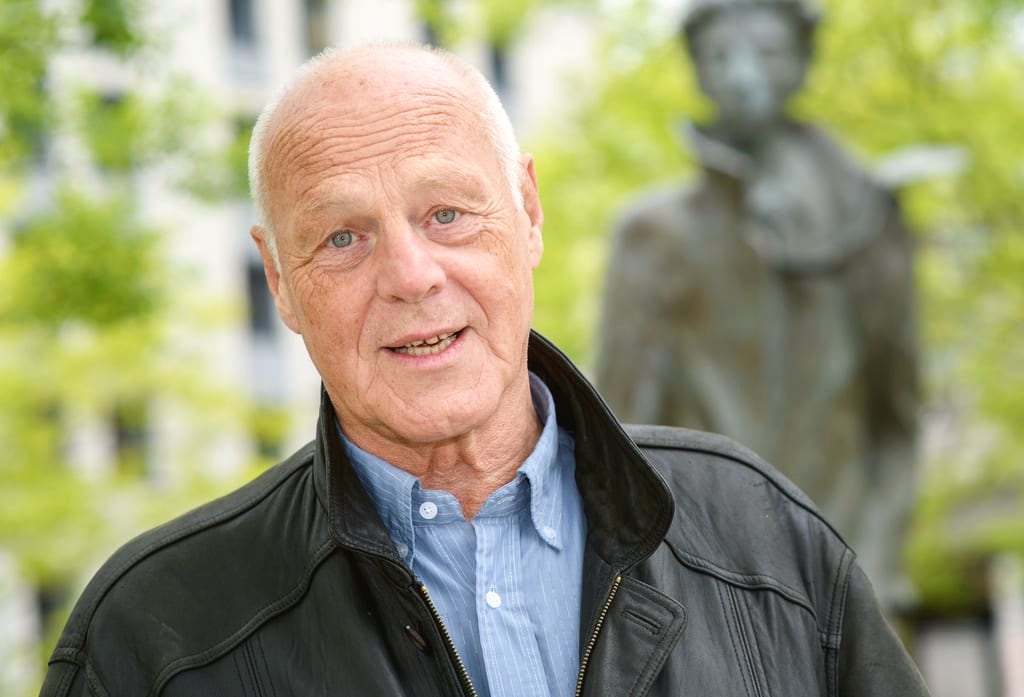

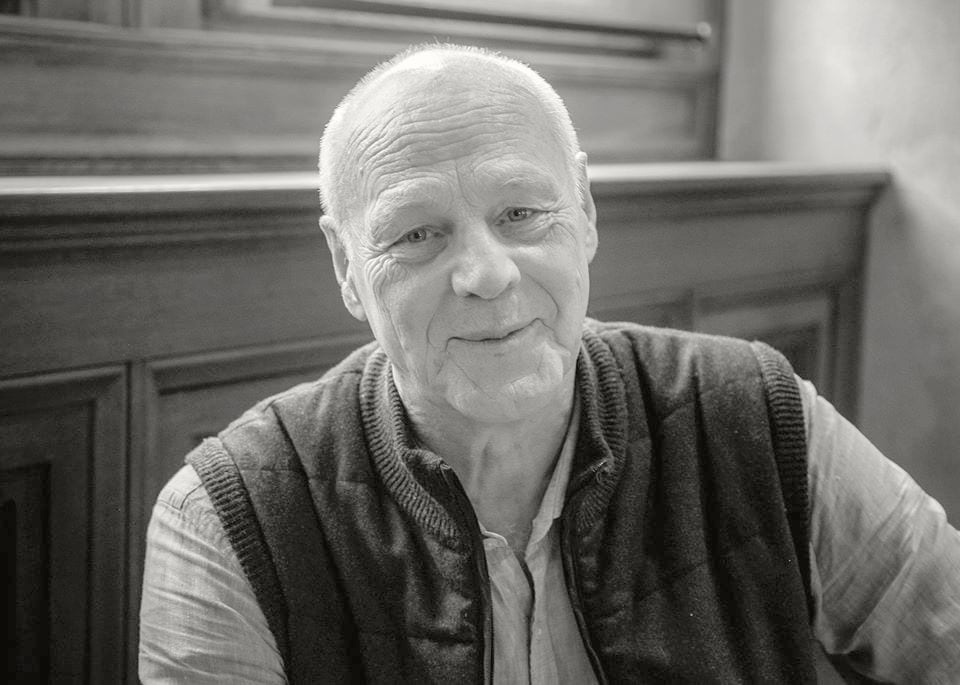

Meditation Teacher · Berlin
Gerald Blomeyer teaches meditation in Berlin under the name Mind Training Berlin. He describes meditation as the balance of relaxation and mindfulness, a way of engaging and letting go of control. His guiding line is "Klarheit durch Loslassen" (clarity through letting go).
Gerald Blomeyer teaches meditation in Berlin under the name Mind Training Berlin. He describes meditation as the balance of relaxation and mindfulness, a way of engaging and letting go of control. His guiding line is "Klarheit durch Loslassen" (clarity through letting go).
He offers day and weekend courses and retreats that cover the foundations of meditation along with exercises for body, emotions, thoughts, speech and mind, drawing on findings from current neurobiology. The emphasis is on calm, quiet abiding and concentration. One weekend course also introduces the basics of Buddhism and the Four Immeasurables: love, compassion, sympathetic joy and equanimity. Courses can be held in German or English. He also brings mindfulness to organisations with a programme on mindful leadership.
Gerald has been a Reiki master since 1989. He presents Reiki from the perspective of meditation and the Buddhist tradition, and has co-taught retreats with other teachers. He leads online meditation sessions that combine Yoga Nidra with mindfulness and compassion practice, and he offers personal conversations and walks.
His meditation podcasts and bedtime stories, in German and English, have been heard more than 500,000 times on Insight Timer. He is also the author of the book "Erlebe die Weite in Dir – Das Abenteuer, sich selbst zu begegnen" (arbor Verlag), a collection of 99 texts with photographs and illustrations.
Worth Knowing
Gerald Blomeyer is a Berlin-based meditation teacher, Reiki master, and author who has been practicing meditation since the 1970s—long before mindfulness became mainstream. Working under the name Mind Training Berlin, he approaches meditation not as a trendy wellness add-on but as a foundational practice for personal transformation and social change. His central premise—that meditation can change the world because it changes us—anchors his teaching across courses, retreats, Yoga Nidra sessions, and independent podcast recordings that have exceeded 500,000 plays on Insight Timer. What attracts seekers to Blomeyer is his grounding in both Buddhist philosophy and practical neurobiology; he integrates the Four Immeasurables (love, compassion, sympathetic joy, and equanimity) with contemporary research on mental calm and concentration. His student base spans German and English speakers, and his willingness to teach one-on-one via Zoom or during walking meditation in Berlin's Schlosspark Charlottenburg reflects a commitment to meeting people where they are rather than requiring them to fit a predetermined format.
Blomeyer's teaching roots itself explicitly in Buddhism, though he presents it through a modern, secular-friendly lens that doesn't require religious belief or Sanskrit expertise from students. He has been a certified Reiki master since 1989 and notably presents Reiki from the Buddhist meditation and mindfulness perspective—an uncommon approach that bridges energy work with contemplative philosophy. His emphasis on the Four Immeasurables (the Buddhist practices of cultivating love, compassion, sympathetic joy, and equanimity) reflects grounding in Mahayana Buddhist ethics. His regular practice integrates Yoga Nidra, the ancient yogic practice of conscious relaxation, paired with mindfulness and compassion meditation—a syncretic approach that draws from both Buddhist and yogic traditions while maintaining scientific credibility. The centerpiece of his philosophy, articulated throughout his teaching, is the balance between relaxation and active mindfulness, between letting go of control and maintaining clear awareness.
For someone with no meditation background, Insight Timer is the ideal entry point: Blomeyer's podcast collection and guided meditations are available for free, with over 500,000 total plays, so you can sample his voice, pacing, and teaching philosophy without commitment. His bedtime story recordings on the same platform offer a gentler introduction if formal meditation feels intimidating. If you want structured guidance, his published book "Erlebe die Weite in Dir – Das Abenteuer, sich selbst zu begegnen" (published by arbor Verlag and containing 99 texts) works as a standalone text, though it was originally written in German—suitable for readers interested in his philosophical approach and personal insights. For those ready to commit more deeply, his day courses and weekend retreats provide in-person instruction, though they require either German fluency or looking for an English-language offering. What surprises newcomers is that Blomeyer doesn't start with mystical claims or dramatic transformation promises; he begins with the architecture of meditation itself—what happens in the body, mind, and nervous system—which makes his teaching accessible to skeptics and experienced practitioners alike.
Most meditation teachers in the Western market lean into either the therapeutic angle (stress reduction, anxiety management) or the aspirational one (enlightenment, transcendence). Blomeyer operates in a third category: he teaches meditation as a tool for behavioral and perceptual change rooted in Buddhist philosophy and neuroscience, without requiring students to adopt Buddhist identity. His signature integration of Yoga Nidra (lying-down practice) alongside mindfulness is less common than sitting meditation alone—it acknowledges that not everyone can sit upright, and that the body matters as much as the mind. His background as a Reiki master since 1989 gives him unusual credibility in energy medicine circles while his explicitly Buddhist framing prevents him from drifting into pseudoscience. Perhaps most distinctively, he describes meditation as "the balance of relaxation and mindfulness, and as a way of letting in and letting go of control"—a formulation that emphasizes paradox and tension rather than promising peace, which frankly scares off some seekers but attracts those serious about doing internal work.
Blomeyer's teaching is not for people seeking quick fixes or emotional escapism; his integration of Buddhist philosophy and neuroscience demands intellectual engagement and the willingness to sit with uncomfortable mental states rather than transcend them immediately. If you're drawn to high-energy, ecstatic spiritual practices—kirtan, ecstatic dance, intense kundalini work—his emphasis on mental calm and concentration may feel sedative. Non-German speakers will find significant barriers: while he offers English-language courses and podcasts, much of his published work (including his book and some core materials) exists primarily in German, and the nuance of his teaching may be lost in translation. His approach to Reiki explicitly from a Buddhist meditation lens may alienate traditional Reiki practitioners who prefer the practice without philosophical framework. Blomeyer also teaches through gradual, structured courses rather than one-off workshops or viral-friendly sound bites, so impatient seekers or those wanting to cherry-pick practices may find his methodology slow and demanding.
His website at blomeyer.berlin is the primary hub for current course schedules, retreat dates, and contact information; it's updated regularly with his German and English offerings and is the most reliable source for registration. His Insight Timer profile (where his podcasts and meditations live) provides notifications when he releases new recordings—over 500,000 people have engaged with his material there, making it the platform where most of his remote audience discovers him. His YouTube channel offers additional recorded material and occasional live sessions. For those in Berlin, Schlosspark Charlottenburg is his regular location for walking meditation and threshold-crossing work, though dates and times should be confirmed through his website. However, be aware that there's no formal tour schedule or major festival circuit listed; Blomeyer teaches primarily through his Berlin base and online platforms, with periodic retreats and workshops. His approach prioritizes depth and continuity over traveling extensively, which means following him requires checking his website directly rather than relying on automated event notifications or aggregator platforms.
Blomeyer's teaching style prioritizes clarity and practical scaffolding over mystique: he begins with the foundations—how attention works, what happens in the nervous system during meditation—before introducing Buddhist philosophy or contemplative practice. His courses are structured around specific domains (body, emotions, thoughts, speech, and mind), each with dedicated exercises, which gives students a taxonomy for understanding their own experience rather than vague instruction to "be present." His use of contemporary neurobiology grounds meditation in measurable, observable phenomena, which creates permission for rational skeptics to engage without abandoning rigor. A retreat or session with Blomeyer likely feels methodical and grounded rather than ethereal; you'll sit in meditation, do guided exercises, potentially practice Yoga Nidra (lying-down practice), and receive explicit instruction on what to notice. His one-on-one Zoom sessions and walks through Schlosspark Charlottenburg suggest he's also willing to meet people in intimate, individualized settings, adapting to nervous systems that don't respond well to group formats. What distinguishes him from more devotional teachers is his emphasis on critical understanding—he wants students to understand why practices work, not just trust them.
The concept of balance appears throughout his work: meditation as the balance of relaxation and mindfulness, of letting in and letting go of control. This motif rejects both perfectionism and passivity—you're neither white-knuckling toward enlightenment nor checking out. The Four Immeasurables (love, compassion, sympathetic joy, equanimity) form a repeated ethical and practical scaffold across his courses; rather than assuming these arise naturally, he treats them as mental skills that can be cultivated through exercise. Mental calm and quiet abiding—drawn explicitly from Buddhist tradition—counter the hyperactivity and constant stimulation many students bring to practice. Concentration and stability of mind come up repeatedly as prerequisites for deeper work, which reflects a classical Buddhist understanding of the meditative path. His philosophy that "meditation can change the world because it changes us" threads through his teaching, grounding individual practice in collective impact. The role of the body as a partner in meditation (via Yoga Nidra and proprioceptive awareness) recurs across his courses and distinguishes him from teachers who treat the body as merely a seat for the mind.
Yes, significantly. His book "Erlebe die Weite in Dir – Das Abenteuer, sich selbst zu begegnen" (published by arbor Verlag) contains 99 texts and serves as both a philosophical introduction to his worldview and a collection of practices and reflections. It was originally written in German, so German-reading audiences have fuller access than English speakers. His most widely accessible work is his podcast collection and guided meditation recordings on Insight Timer, which have been played over 500,000 times; these include both meditation guides and bedtime stories, all available for free streaming. His YouTube channel also contains recorded material, including talks and guided sessions. His Spotify podcast feed makes these recordings easily accessible to people already in that ecosystem. These recorded materials showcase his teaching voice and methodology without requiring live participation, making them ideal for students in time zones that don't align with his Berlin schedule or those wanting to audit his approach before committing to a course.
No prior meditation experience is necessary; Blomeyer explicitly teaches "the foundations of meditation," which assumes you're starting from zero. His emphasis on contemporary neurobiology (how the nervous system responds to practice) makes his teaching intelligible to scientific-minded people who otherwise might dismiss meditation as unverifiable. However, basic literacy in Buddhist concepts—or willingness to learn them—is helpful because the Four Immeasurables, mindfulness, and other Sanskrit terms appear throughout his teaching. German or English language fluency is essential, as his core teaching materials exist primarily in these languages; his German courses will exclude non-German speakers, though he does offer English-language offerings. What's not required is spiritual belief or religious affiliation; his explicitly Buddhist framing is presented as a philosophical and ethical system rather than requiring faith. A comfort with the idea that meditation is a practice you do rather than a state you achieve helps—Blomeyer doesn't promise quick transcendence or easy peace, which means students benefit from approaching him with patience and intellectual curiosity rather than desperation for transformation.
Sei tu? Rivendica questa pagina ›
Continue your journey
BrightStar is the global directory of artists, teachers, and healers in the wellness and spiritual movement. Find your next experience — or add yourself.
Browse 14,000+ curated profiles across kirtan, yoga, meditation, and beyond.
Explore directory →Kirtan, retreats, sound baths, breathwork, ceremonies — happening this week.
Browse events →Are you an artist, teacher, or healer? Get listed — free, AI-assisted, live in minutes.
Get started →


