Talks & Appearances
Talks & Appearances
Books
Bibliography coming soon.
Author
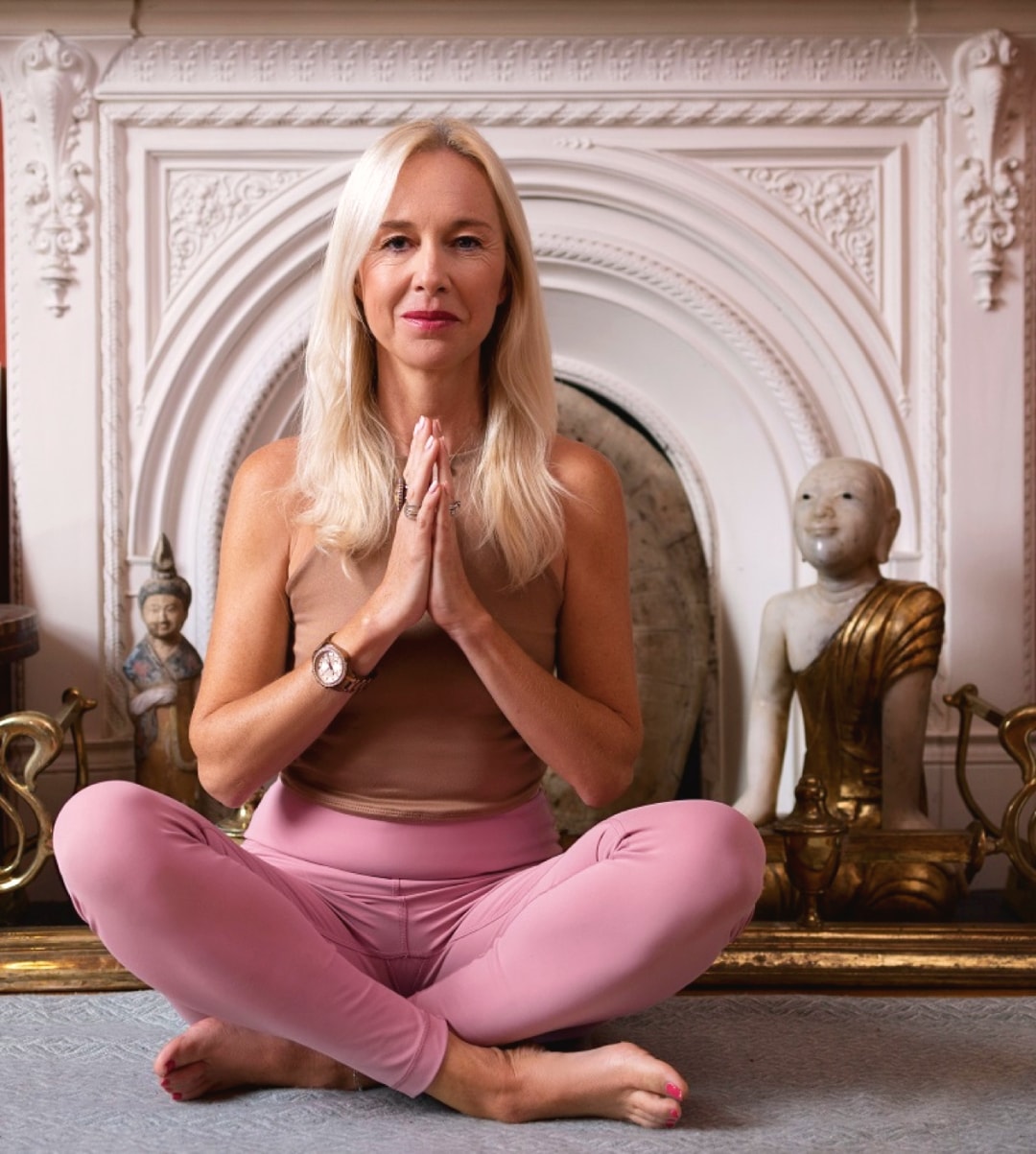
Fiona Brennan is a clinical hypnotherapist, bestselling author and speaker. Her work is built around helping people sleep well, release anxiety and feel powerful, and she describes her aim as helping people see the power of their own minds and gain control over behaviours and feelings they believed were controlling them.
Fiona Brennan is a clinical hypnotherapist, bestselling author and speaker. Her work is built around helping people sleep well, release anxiety and feel powerful, and she describes her aim as helping people see the power of their own minds and gain control over behaviours and feelings they believed were controlling them.
She sees clients one to one in a private online clinic, combining hypnotherapy with positive psychology and neuroscientific tools, alongside breathwork, mindfulness and reflective journaling. Her work covers sleep difficulties, social anxiety, fear of public speaking, emotional eating and stress. She has more than 13 years of experience working directly with clients. She also draws on her creative and performance background, using imagination as an essential tool in hypnosis.
In 2016 she launched her first online hypnotherapy programme, The Positive Habit, which has reached people around the world. Her book of the same name (2019, Gill Books) was an Irish Times and Eason's bestseller. The Self-Love Habit followed in February 2021, and Sleep Well: 8 Habits to Help You Get to Sleep, Stay Asleep & Wake Up Refreshed, based on current sleep science, was published in April 2024. Her later programme, Light Up Your World, draws on hypnosis, positive psychology, lifestyle medicine, neuroscience and mindfulness.
Fiona is a TEDx and keynote speaker and a regular contributor to Newstalk in Ireland. She has delivered workshops on stress, anxiety, confidence and public speaking for organisations including Bank of Ireland, Sanofi, AstraZeneca, the National College of Ireland and DCU. She also leads therapeutic retreats in Ireland, Crete and France.
Her training includes a Professional Diploma in Positive Health from the Royal College of Surgeons (2022), study in positive neuroplasticity with Dr Rick Hanson, advanced studies in Positive Psychology at the University of North Carolina at Chapel Hill, a Professional Certificate in the Therapeutic Use of Mindfulness, and certification as a HeartMath practitioner (Trauma Sensitive HeartMath).
Fiona Brennan is a clinical hypnotherapist, bestselling author, and speaker whose thirteen-plus years of direct client work have built a substantial following around a core premise: most people vastly underestimate their own capacity for change. Working under the name The Positive Habit, she helps people sleep better, manage anxiety, and rebuild confidence through one-to-one hypnotherapy sessions, digital programs, books, and retreats. What distinguishes her from generic self-help figures is the clinical backbone—she combines hypnotherapy with positive psychology, neuroscientific tools, and breathwork rather than offering platitudes. Her 2019 book The Positive Habit became an Irish Times and Eason's bestseller, signaling that her message resonates beyond individual clients. People care because she talks about mental change in concrete, actionable terms, grounded in how the brain actually works, not vague aspirational language. Her regular appearances on Newstalk Ireland and as a TEDx speaker have expanded her reach into the mainstream conversation about anxiety, sleep, and behavioral change—audiences recognize she has something substantive to offer.
Fiona Brennan's work sits at an intersection of clinical hypnotherapy, positive psychology, and neuroscience rather than within a single mystical or spiritual lineage. Her formal training—a Professional Diploma in Positive Health from the Royal College of Surgeons (2022), advanced studies in Positive Psychology from the University of North Carolina at Chapel Hill, positive neuroplasticity training with Dr. Rick Hanson, and a Professional Certificate in the Therapeutic Use of Mindfulness—anchors her in evidence-based frameworks. She is also a HeartMath Certified Practitioner in trauma-sensitive practice, which brings somatic and nervous-system awareness into her clinical work. The philosophy is distinctly modern therapeutic: rather than traditional talk therapy or pharmaceutical intervention, she uses hypnosis as a tool to help clients access their own neuroplasticity and reshape patterns they've come to believe are fixed. This is psychology informed by contemporary neuroscience, not legacy spirituality. Newcomers expecting mystical or devotional work will find instead a pragmatic, brain-centered approach to behavioral and emotional change grounded in how attention, imagination, and habit actually reshape the nervous system.
The clearest entry point depends on what you're seeking to address. If anxiety or sleep is the immediate concern, her 2024 book Sleep Well: 8 Habits to Help You Get to Sleep, Stay Asleep & Wake Up Refreshed offers concrete, actionable protocols without requiring one-to-one work or prior knowledge of her philosophy. For a broader introduction to her framework, The Positive Habit (2019) maps out how mindset, hypnosis, and daily practices reinforce each other—it's foundational reading for understanding how she thinks about behavioral change. Those interested in self-compassion and emotional resilience should start with The Self-Love Habit (2021). If you prefer to experience her teaching directly before committing to her books, her YouTube channel and weekly newsletter offer free access to her voice and methods. Her online program The Positive Habit itself is designed as a structured, guided introduction to her one-to-one approach, combining tailored hypnotherapy audio, breathwork, mindfulness tools, and reflective journaling. Start with whichever medium matches your learning style—her work is consistent across formats, so there's no wrong entry point.
Most clinical hypnotherapists lean heavily on standardized scripts or symptom-focused protocols; Fiona Brennan's signature move is integrating her creative and performance background into the hypnotic work itself. She explicitly uses imagination as an essential tool within hypnosis—not as decoration, but as the actual mechanism for change. Her one-to-one sessions don't end when the client leaves; instead, she develops tailored hypnotherapy audio recordings for between-session work, paired with breathwork, mindfulness exercises, and reflective journaling. This combination of personalization, multi-modal tools, and the emphasis on the client's own mind as the agent of change sets her apart from practitioners who treat hypnosis as a standalone intervention. She also layers positive psychology and neuroscientific framing into her sessions—clients aren't just being hypnotized; they're learning how their brains create patterns and why their imagination can reshape those patterns. The training under Dr. Rick Hanson in positive neuroplasticity and her engagement with trauma-sensitive HeartMath practice further distinguish her from purely talk-based or script-dependent hypnotherapists.
Fiona Brennan's approach is fundamentally skill-building and action-oriented—it is not suited for people seeking purely emotional validation, a sympathetic presence, or long-term therapeutic processing of deep trauma in a contained, ongoing therapeutic relationship. Her framework assumes clients can engage with homework, audio tools, journaling, and practices between sessions; passive participants or those resistant to personal agency will find her work frustrating. Clients expecting a mystical or spiritual transformation should look elsewhere—she offers concrete neuroscience and behavioral psychology, not transcendence or awakening narratives. Similarly, those skeptical of hypnotherapy as a legitimate clinical tool should recognize that her entire methodology rests on it; if you fundamentally distrust hypnosis, her core offering won't resonate. She works primarily in one-to-one online sessions and structured programs, not in the ongoing intimate therapeutic relationship that some people need from their therapists. Finally, while her work touches on mindfulness and breathwork, she is not positioned as a meditation teacher or yoga practitioner—those seeking a devoted guide within contemplative traditions will find her more clinical and modern than what they're looking for. Her work is for engaged, action-ready people who trust neuroscience and are willing to do the daily practices between sessions.
Fiona Brennan has published three books, each with a distinct focus and use case. The Positive Habit (2019, published by Gill Books) is the cornerstone—it became an Irish Times and Eason's bestseller and introduces her entire framework for behavioral change through hypnotherapy, positive psychology, and daily practices. It's essential because it lays out the philosophy and mechanics underlying all her other work and teaches readers how mindset and habit interact. The Self-Love Habit (2021) narrows the focus to self-compassion and emotional resilience, exploring how internal dialogue shapes resilience and how hypnotherapy and mindfulness can reprogram that dialogue. Sleep Well: 8 Habits to Help You Get to Sleep, Stay Asleep & Wake Up Refreshed (2024) is her most practically targeted book, offering concrete, evidence-based protocols for sleep—useful as both a standalone resource and as a deep dive into one of her core specialisms. All three are written in accessible, non-jargon language without sacrificing depth; they combine personal narrative, neuroscientific explanation, and actionable exercises. For newcomers seeking the full picture, The Positive Habit is the logical starting place; for those with an immediate, specific concern, Sleep Well offers the fastest path to practical solutions.
Fiona Brennan's sessions feel like a conversation between equals who are solving a problem together, not a practitioner-patient dynamic rooted in hierarchy or expertise dominance. She draws on her creative background to craft hypnotic guidance that feels personalized and responsive, rather than formula-driven—clients often report feeling heard and understood before the hypnotic work begins. Her sessions combine direct clinical assessment with collaborative problem-solving; she's listening not just for the presenting symptom but for the patterns, beliefs, and habits that sustain it. Once in hypnosis, her voice work is deliberate and clear, using imagination-based suggestions rather than authoritarian commands—the client's own mind is doing the reshaping, not being reshaped to her specification. Between sessions, clients receive tailored hypnotherapy audio recorded specifically for them, along with breathwork, mindfulness micro-practices, and journaling prompts. This means the therapeutic container extends beyond the appointment; the work deepens through repetition and reflection. Her teaching—whether in workshops, TEDx talks, or her weekly newsletter—maintains the same tone: knowledgeable without being condescending, optimistic without being naive, and always grounded in how the nervous system and brain actually function.
Three themes appear consistently across her books, sessions, and public teaching. First is the idea of agency—that most people have far more power over their own minds than they believe, and that anxiety, insomnia, or behavioral patterns that feel immovable are often habits of thought rather than fixed traits. She returns repeatedly to the neuroscientific fact that the brain can change, rewire, and learn new patterns throughout life, regardless of age. Second is the importance of daily practices—she is skeptical of single-session breakthroughs or one-time transformations. Her framework assumes that lasting change comes from consistent, small actions: a morning breathwork practice, a specific mindfulness ritual, the replay of a hypnotherapy recording, reflective journaling. This is not sexy or dramatic, but it's her consistent message across all platforms. Third is self-compassion as foundational—her work refuses the self-criticism and pushing-harder energy common in productivity culture. Instead, she argues that kindness toward oneself is not weakness but the prerequisite for sustainable change. These three themes weave through everything she teaches and writes.
Fiona Brennan's credibility rests on formal, verifiable training rather than self-appointed authority or mystical lineage. She holds a Professional Diploma in Positive Health from the Royal College of Surgeons (2022), which is a rigorous, clinically grounded qualification that represents significant institutional validation. She trained in positive neuroplasticity specifically with Dr. Rick Hanson, a neuroscientist whose work on how the brain consolidates positive experience is well-established in psychological and neuroscience circles. She completed advanced studies in Positive Psychology at the University of North Carolina at Chapel Hill, one of the leading institutions for that field, grounding her in the research-backed principles of positive psychology. She holds a Professional Certificate in the Therapeutic Use of Mindfulness, which means her mindfulness teaching is based on evidence-based protocols rather than free-form spirituality. She is also a HeartMath Certified Practitioner in trauma-sensitive practice, bringing somatic and nervous-system awareness into her clinical work. Additionally, her thirteen-plus years of direct client experience provide empirical grounding—she has worked with thousands of individuals and has refined her methods based on what actually works in practice. These credentials matter because they anchor her work in contemporary psychology and neuroscience, making her appealing to skeptics and analytically minded people.
Fiona Brennan's primary offerings are delivered online through her website, thepositivehabit.com. She sees clients one-to-one in a private online clinic, combining individual hypnotherapy sessions with tailored recordings and supplementary tools like breathwork and journaling prompts. Her flagship online programme The Positive Habit is designed to bring her full methodology into a structured, self-paced format; it includes hypnotherapy audio, breathwork exercises, mindfulness protocols, and reflective journaling—accessible to people worldwide who can't or prefer not to book individual sessions. Her three published books—The Positive Habit, The Self-Love Habit, and Sleep Well—are available through major booksellers and serve as both standalone resources and companions to her digital work. She also offers Light Up Your World, an integrative course drawing on hypnosis, positive psychology, lifestyle medicine, neuroscience, and mindfulness for those seeking a comprehensive approach. Her YouTube channel offers free teaching content that demonstrates her approach and provides accessible entry points before investing in paid programs. For those seeking more intensive, immersive experiences, she leads therapeutic retreats in Ireland, Crete, and France, though specific dates and booking details should be checked on her website or through her weekly newsletter.
Sei tu? Rivendica questa pagina ›
BrightStar is the global directory of artists, teachers, and healers in the wellness and spiritual movement. Find your next experience — or add yourself.
Browse 14,000+ curated profiles across kirtan, yoga, meditation, and beyond.
Explore directory →Kirtan, retreats, sound baths, breathwork, ceremonies — happening this week.
Browse events →Are you an artist, teacher, or healer? Get listed — free, AI-assisted, live in minutes.
Get started →


