On the Road
On the Road
Ascolta
Ascolta





Musician · New York, USA
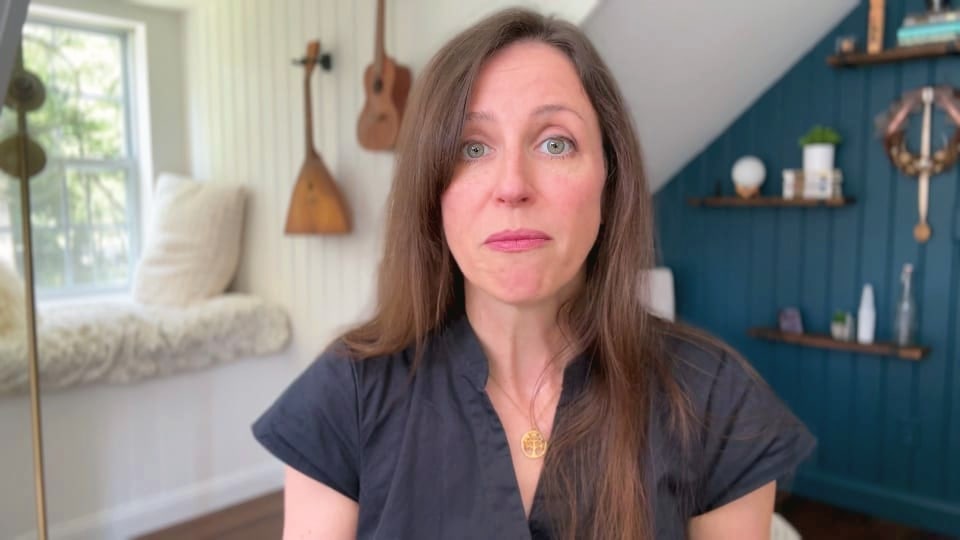
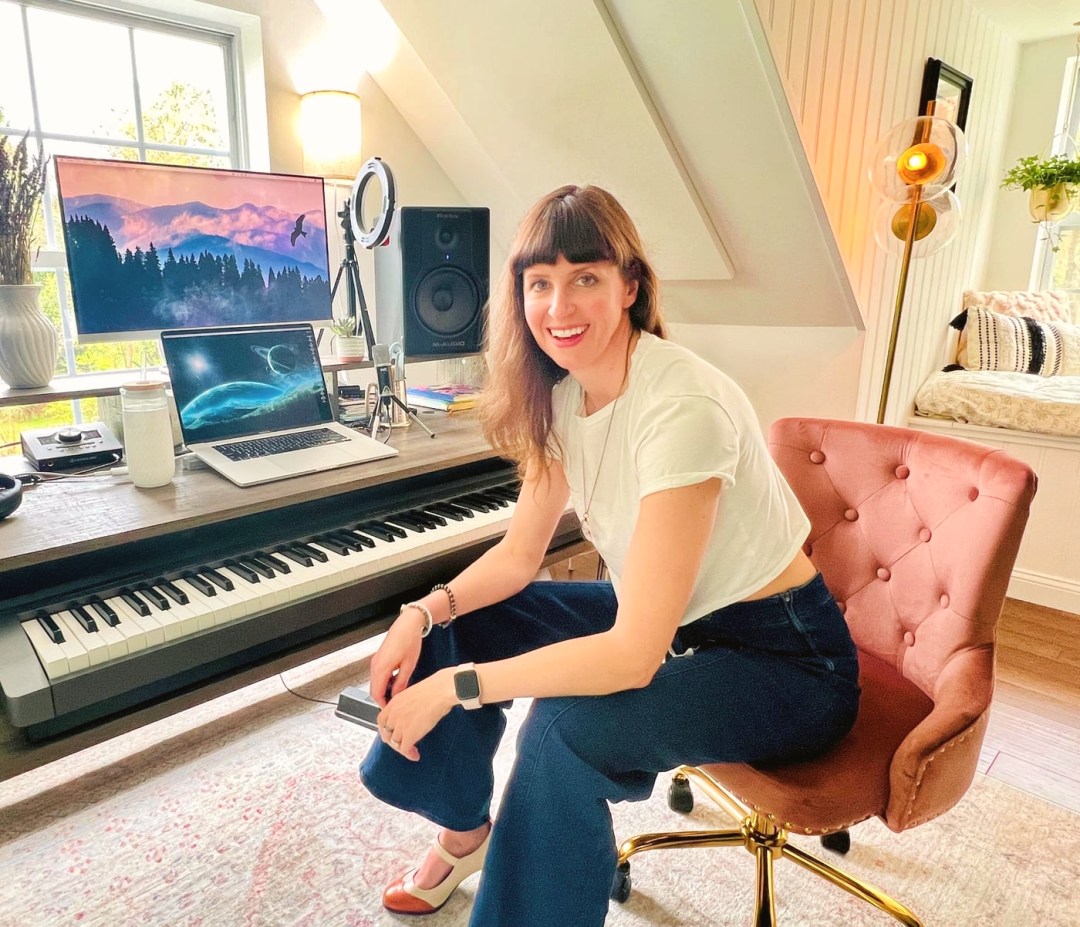
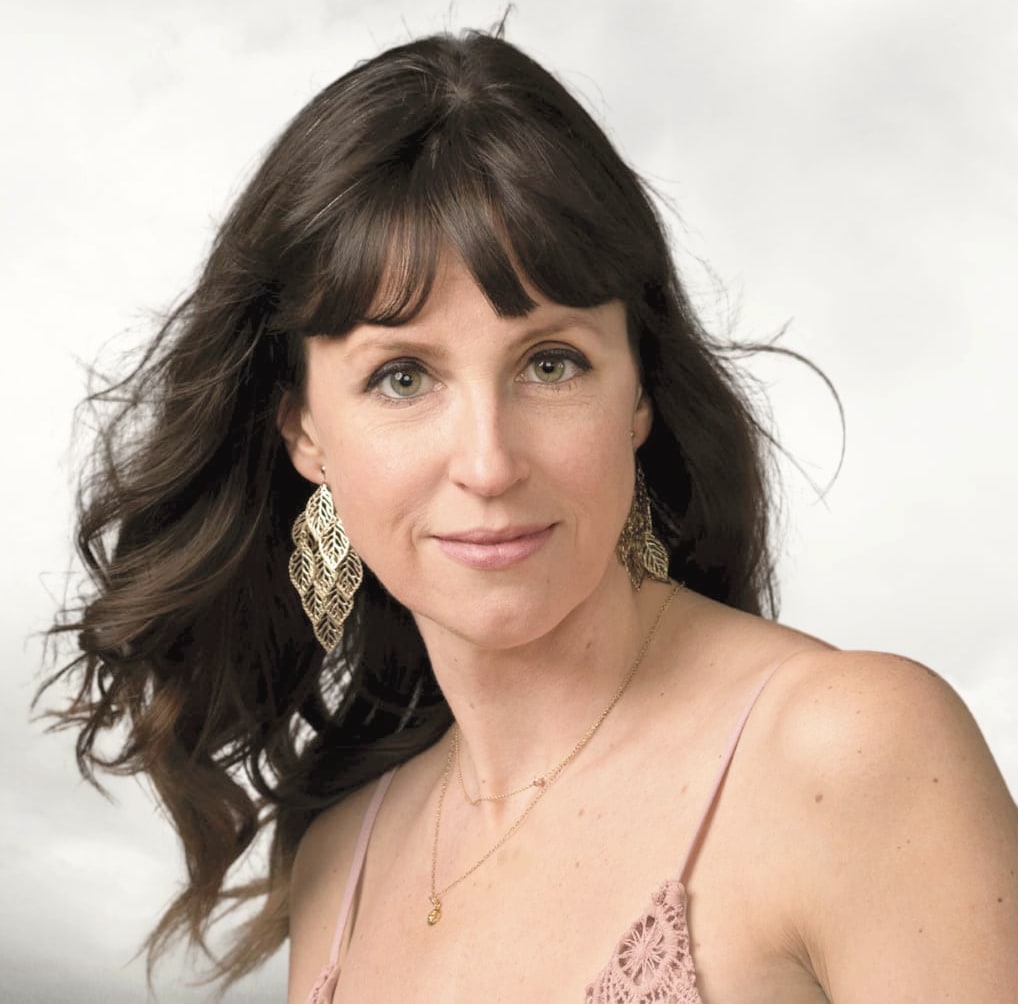
Cheryl B. Engelhardt is a GRAMMY-nominated composer and recording artist based in New York, whose music runs from emotive piano and lush vocal arrangements to orchestral and choral works. She describes her sound as the place where delicate meets epic. She studied Biology and Music at Cornell University and orchestration at Juilliard, and began her working life in a hip-hop recording studio in New York before moving into film, commercial, choral and theater composition.
Cheryl B. Engelhardt is a GRAMMY-nominated composer and recording artist based in New York, whose music runs from emotive piano and lush vocal arrangements to orchestral and choral works. She describes her sound as the place where delicate meets epic. She studied Biology and Music at Cornell University and orchestration at Juilliard, and began her working life in a hip-hop recording studio in New York before moving into film, commercial, choral and theater composition.
Her own path ran from classically trained pianist to jingle composer to touring rock musician. She has scored commercials, trailers, films and meditation apps, written music for social justice choirs, and made four pop records before arriving at New Age and classical crossover. Her 2020 solo-piano and ambient album Luminary, composed to ease anxiety and offer focus, reached #1 on the Amazon and iTunes New Age charts. The Passenger earned a GRAMMY nomination in 2022. Her choral piece The Listening, inspired by Dr. Martin Luther King's 1967 speech "Beyond Vietnam," won third place in the 2022 American Prize in Virtual Recordings. She also wrote the music and lyrics for the musical Boiler Room Girls, with book by Kevin Archambault.
Cheryl is a governor of the New York Chapter of the Recording Academy and serves the American Choral Directors Association's Eastern Region as a chair for commercial and contemporary repertoire. She is also a certified trauma-informed success coach who mentors musicians one on one and in her mastermind, AMPLIFY. She says she makes music, often while traveling, to create an environment where listeners have their own experience.
Cheryl B. Engelhardt is a two-time GRAMMY-nominated composer, recording artist, and certified trauma-informed coach who moves fluidly between multiple creative worlds—orchestral scoring, ambient new age music, choral works, and musical theater. What draws listeners and students to her work is precisely that fluidity combined with an anchoring philosophy: she makes music and teaches meditation from the perspective of someone who has lived through anxiety and panic attacks and built practices to move through them. Her trajectory through a hip-hop recording studio, film scoring, and pop records before arriving at her breakthrough in ambient and new age music signals that she's not a one-lane specialist but someone with restless curiosity and cross-genre sophistication. Her two GRAMMY nominations came for albums composed under extraordinary constraints—one aboard a cross-country train, another at a residency in a remote Greek mountain town—which speaks to how her art is inseparable from lived experience and intention. At 31,400 Spotify followers, she's recognized in the new age and ambient space but not yet universally known, which means her audience tends to be actively seeking rather than passively scrolling: serious listeners and meditators.
Her work sits at the intersection of contemporary classical music, new age ambient composition, and the trauma-informed mindfulness movement. While the data doesn't specify a single lineage teacher, her credentials—orchestration training at Juilliard, composition residencies, work with orchestras like the Budapest Scoring Orchestra—ground her in formal Western classical traditions, which she then filters through a meditation and wellness lens. The shift from pop and scoring toward ambient and new age music reflects a larger move in contemporary composition toward sonic environments designed for specific psychological and spiritual states rather than narrative or entertainment. Her trauma-informed coaching certification suggests she draws on contemporary somatic and nervous-system-attuned approaches to healing, not classical religious or Eastern lineage traditions. What's distinctive is that she's building her own synthesis: classically trained composer-orchestrator who makes solo piano and ambient records and teaches meditation from lived expertise in anxiety management. This cross-pollination between concert music craft and wellness practice is part of what makes her work resonate for listeners tired of purely devotional or purely electronic new age offerings.
Start with her flagship album Luminary, the solo-piano and ambient record composed during a residency in a mountain town in Greece. It was specifically designed to combat anxiety and offer what she describes as energetic peace and focus, reaching #1 on both the Amazon and iTunes New Age charts—a sign that it connected with a wide audience beyond niche enthusiasts. For anyone new to her work, Luminary is the purest distillation of her aesthetic: uncluttered, intentional, without the narrative arc of her train-composed work or the collaborations of later albums. Her Insight Timer page is also worth exploring, as it gives access to her guided meditations and daily practice approach, which provides context for how she thinks about the intersection of sound, silence, and internal experience. If you want to understand her full range, The Passenger—composed entirely aboard a nine-day cross-country train journey and nominated for a GRAMMY—shows how she works at larger scale and with deeper emotional complexity, particularly given it was made after the loss of her friend and collaborator Kevin Archambault. Starting with Luminary and then moving to The Passenger gives you both her foundational vision and her capacity for emotional depth.
Most new age and ambient composers work from either a purely electronic or experimental angle or a devotional and spiritual lineage framework. Cheryl brings something less common: serious orchestral training through Juilliard orchestration studies married to ambient and composition work, plus hands-on experience in film scoring, theater, and pop music. This means her arrangements have harmonic sophistication and instrumental texture that many pure ambient artists lack. She also works under self-imposed compositional constraints—writing an entire album aboard a moving train, creating the first ambient record composed, mixed, and mastered entirely by women—that generate artistic friction and distinctiveness rather than default studio comfort. Unlike many new age artists who lean on synthesizers or looping, her work emphasizes acoustic instruments (solo piano, orchestra, chamber textures), which gives it a more classical sensibility. Additionally, her trauma-informed coaching background means she's not making spiritual music from theory—she's making it from lived experience with anxiety and panic, which manifests as honesty rather than aspirational prettiness in the work. Finally, her institutional roles as a governor of the New York Chapter of the Recording Academy and Chair of Commercial & Contemporary Repertoire for the American Choral Directors Association Eastern Region signal she's not operating in isolation but actively shaping the institutions and conversations around contemporary music and new age work.
Her music is not for listeners seeking high-energy, beat-driven, or rhythm-forward listening experiences. If you're drawn to electronic dance music, hip-hop production, or dynamic orchestral film scoring, the ambient and new age albums will feel sparse and underscore-like by comparison. Similarly, her work is not devotional chant music or connected to a specific religious or Eastern lineage, so listeners seeking that kind of structured spiritual practice rooted in Sanskrit mantras or Buddhist and Hindu frameworks will find her approach more open-ended and less doctrine-specific. The coaching and teaching work requires an interest in meditation and mindfulness frameworks; if you're looking for music divorced from any wellness or introspective intent, her framing of the work might feel overly earnest. Her newer albums involve collaboration and orchestration, which means they're less minimal than Luminary—so if you're seeking stripped-down, almost reductive ambient music, some of her output may feel slightly more narrative or composed than immersive. Additionally, because she's relatively less known outside niche new age and ambient circles, her work isn't the background music everyone's already heard option; it requires active seeking and, often, a prior interest in meditation or contemporary classical music.
Her primary web presence is her official website at cbemusic.com, which is the central hub for current information on releases, upcoming performances, coaching availability, and retreat offerings. Her Spotify artist page (31,400 followers) provides access to all her recorded work and usually updates with new releases. She also maintains a YouTube channel (@boilerroomgirlsanewmusical2652) where you can find music video and performance content related to her musical theater work Boiler Room Girls and other projects. For meditation-specific content and daily practice access, her Insight Timer page is where she shares guided meditations and maintains her own meditation practice. Given her institutional roles—serving as a governor of the Recording Academy's New York Chapter and as Chair of Commercial & Contemporary Repertoire for the American Choral Directors Association—she also occasionally appears at industry and choral music events, though specific tour dates are not currently available in this directory. The combination of her website, Spotify, YouTube, and Insight Timer pages provides the fullest picture of both her recorded music and her active teaching and coaching work.
Her signature sound across the ambient and new age work emphasizes restraint and acoustic instruments over electronic synthesis or vocal-driven arrangements. Luminary is sparse solo piano and ambient textures—clean, unadorned, with space between notes that mirrors the aesthetic philosophy of the music itself. The pacing is slow and intentional; these are not albums with momentum or rising drama but rather static or gently shifting sound environments meant to create psychological calm. Her work with orchestration, evident in pieces like Quantum Entanglement recorded with the Budapest Scoring Orchestra and conducted by Michelle Rakers, brings in string arrangements and harmonic sophistication while maintaining that restraint aesthetic. When she collaborates, as on According to the Moon with Australian artist Gem, the sonic palette expands slightly while maintaining the ambient, meditative approach. There's a classical chamber-music sensibility throughout rather than the lo-fi or glitchy textures common in some ambient work, which makes her records feel more composed than atmospheric. Her voice, when it appears, is positioned as one textural element rather than a dominant lead, and the overall aesthetic is clarity and simplicity rather than lushness or exuberance.
Start with Luminary—her solo-piano and ambient breakthrough composed at a residency in Greece, specifically designed to combat anxiety and to reach #1 on the Amazon and iTunes New Age charts. This is her foundational work and the clearest entry point into her aesthetic. Next is The Passenger, the GRAMMY-nominated album composed entirely aboard a nine-day cross-country train journey after the loss of her collaborator Kevin Archambault; it represents her ability to work at larger emotional and sonic scale and is notable as one of the first ambient records composed, mixed, and mastered entirely by women. Her collaboration with Australian artist Gem, According to the Moon, earned a second GRAMMY nomination in the same category (Best New Age, Ambient, or Chant Album) and shows her working in collaborative partnership while maintaining her core aesthetic. Beyond the ambient work, her orchestral piece Quantum Entanglement, recorded with the Budapest Scoring Orchestra under conductor Michelle Rakers, demonstrates her classical training and ability to compose for full ensemble—a different but essential facet of her range. For those interested in her work across genres, her four pop records and the musical theater work Boiler Room Girls with book by Kevin Archambault provide context for her earlier career trajectory, though for newcomers, Luminary and The Passenger are the anchors.
Her primary instrument across the ambient work is the piano—Luminary is primarily solo piano with ambient texturing, which signals that she thinks compositionally rather than synthetically. When she works with orchestration, she collaborates with orchestras like the Budapest Scoring Orchestra, conducted by Michelle Rakers, which places her in classical ensemble traditions. Her collaborator Kevin Archambault appears as book writer for the musical Boiler Room Girls and was described as a friend whose loss informed The Passenger; he was also a creative partner in her work. Australian artist Gem collaborated with her on According to the Moon, expanding her sonic palette while staying true to the ambient framework. The data indicates she's worked across film, commercial, choral, and theater scoring, which suggests she's comfortable across multiple instrumental and ensemble configurations. Her background beginning in a hip-hop recording studio in NYC signals familiarity with contemporary studio production, and her mention of composing while having an experience—crossing the country by train, standing on a mountaintop—suggests she thinks of the environment and experience as compositional tools as much as instruments themselves. Overall, she leans toward acoustic instruments and orchestral collaboration rather than pure electronic or virtual production.
Luminary is the album most explicitly designed for meditation and anxiety management; she composed it with the specific intention of creating an environment for listeners to have their own experience while managing anxiety and seeking energetic peace and focus. This album is the natural choice for meditation practice and yoga sessions given its explicit design brief and pacing. Her Insight Timer page is where she shares guided meditations directly, which means there's a dedicated platform for her meditation teaching and practice work—those recordings are purpose-built for formal meditation practice in a way that her recorded albums, while suitable for meditation, aren't exclusively designed for it. The Passenger, while not composed specifically for meditation, was created during and after profound grief and loss following Kevin Archambault's death during a nine-day train journey; many listeners find it psychologically grounding for contemplative or ceremony contexts given its emotional honesty and the context of its making. Her approach across the work emphasizes creating an environment where listeners can have their own experience, which means most of her ambient and new age albums function as spaces for meditation or yoga rather than being prescriptive in the way some guided meditation albums are. For formal meditation practice, the Insight Timer page is the most direct entry point, while Luminary, The Passenger, and According to the Moon are all suitable as musical accompaniment to practice.
Sei tu? Rivendica questa pagina ›
BrightStar is the global directory of artists, teachers, and healers in the wellness and spiritual movement. Find your next experience — or add yourself.
Browse 14,000+ curated profiles across kirtan, yoga, meditation, and beyond.
Explore directory →Kirtan, retreats, sound baths, breathwork, ceremonies — happening this week.
Browse events →Are you an artist, teacher, or healer? Get listed — free, AI-assisted, live in minutes.
Get started →


