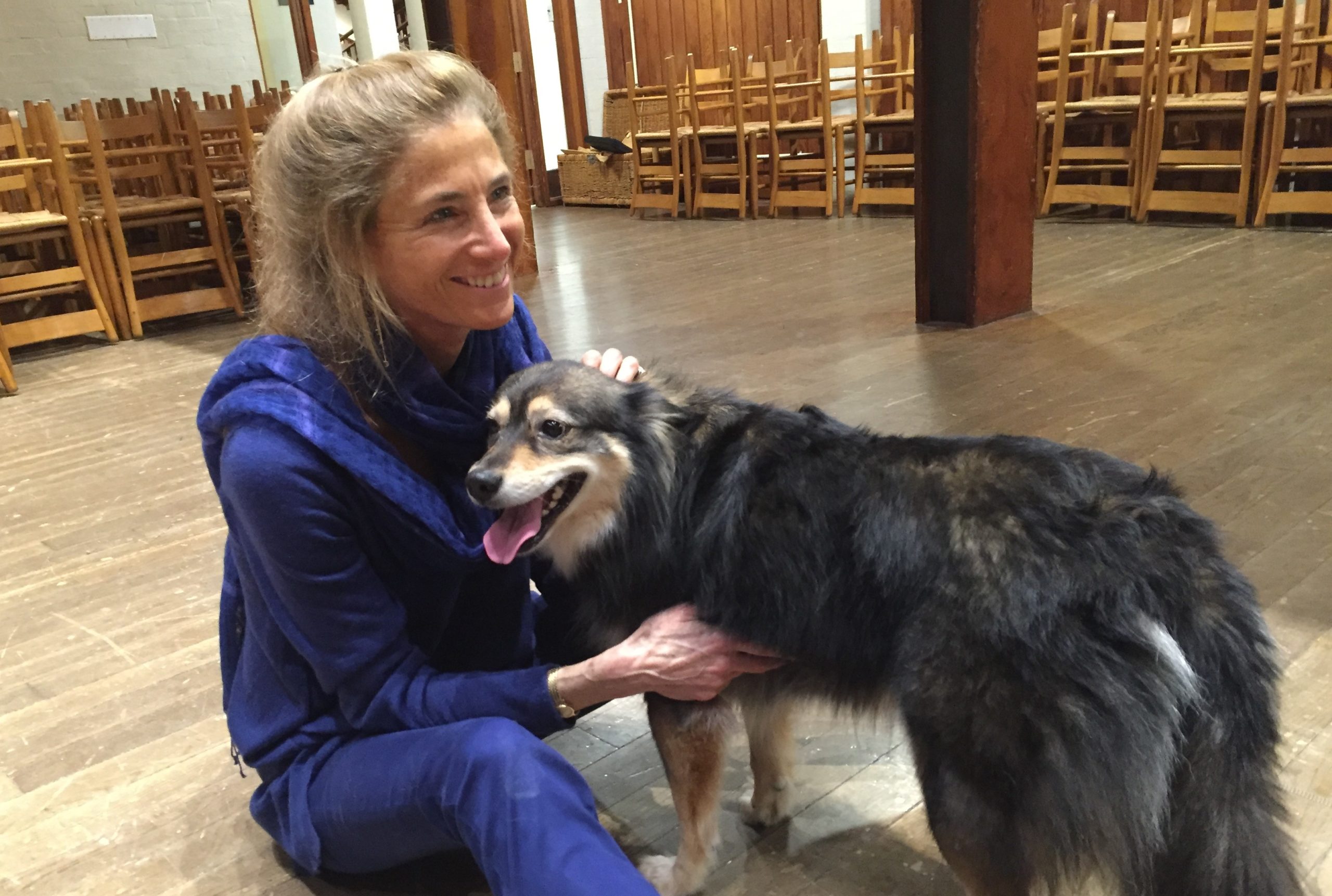
Tara Brach's poignant assertion, "To be a refuge for yourself is the foundation for being a refuge to others," invites us to explore the profound relationship between self-care and our capacity to support those around us. In a world often fraught with chaos and uncertainty, the notion of being a sanctuary for oneself becomes not just a personal endeavor but a communal necessity. This quote underscores the importance of nurturing our inner landscape, suggesting that the strength we cultivate within ourselves directly influences our ability to extend compassion and solace to others.
As we delve deeper into this wisdom, we recognize that the act of becoming a refuge for oneself is not merely about self-indulgence; it is a transformative journey toward self-acceptance and healing. This journey requires us to confront our vulnerabilities and embrace our authentic selves. By doing so, we create a stable foundation from which we can genuinely offer support and understanding to those in need. The interconnectedness of our inner and outer worlds becomes evident, revealing that our personal growth and healing are intrinsically linked to our capacity to serve others.
The image / the metaphor
The imagery in Brach's quote evokes a sense of sanctuary, a safe haven where one can retreat from the storms of life. The verbs "to be" and "to become" suggest an active process of transformation, emphasizing that refuge is not a static state but a dynamic practice. This refuge is not merely a physical space; it is a mental and emotional landscape cultivated through mindfulness, self-compassion, and acceptance. The felt sense of this refuge is one of warmth, safety, and nurturing, where the self can be embraced without judgment.
Diving deeper into the metaphor, we can envision this refuge as a wellspring of resilience. Just as a physical shelter protects us from external elements, our inner refuge shields us from the harshness of self-criticism and doubt. It is a place where we can acknowledge our pain and struggles, allowing them to coexist with our strengths and joys. This duality is essential; by recognizing our own humanity, we become more adept at recognizing and honoring the humanity in others. The refuge we create within ourselves becomes a source of strength that we can share with the world.
In the speaker's tradition
Tara Brach's teachings are deeply rooted in Buddhist philosophy, particularly the concepts of compassion and mindfulness. Central to this tradition is the notion of "dharma," which refers to the path of righteousness and living in accordance with the truth of our experience. By cultivating a refuge within ourselves, we align with the dharma that encourages us to be present and compassionate, both toward ourselves and others. This practice of self-refuge is akin to the Buddhist concept of "sunyata," or emptiness, which invites us to let go of rigid self-identities and embrace the fluidity of our existence.
Living the teaching
Consider a modern scenario where this teaching resonates: a friend approaches you in distress, overwhelmed by life's challenges. In this moment, your ability to offer genuine support hinges on your own emotional state. If you have cultivated a refuge within yourself—practicing self-compassion and mindfulness—you are better equipped to listen without judgment and provide comfort. Your inner peace becomes a balm for their turmoil, illustrating the direct connection between your self-care and your capacity to be present for others.
In another context, imagine navigating a difficult relationship where misunderstandings and conflicts arise frequently. By applying Brach's teaching, you might first turn inward, seeking to understand your own feelings and reactions. This self-reflection allows you to approach the situation with greater clarity and compassion, both for yourself and the other person. Instead of reacting defensively, you can create a space for open dialogue, fostering a sense of refuge in the relationship itself. This practice not only strengthens your bond but also exemplifies how being a refuge for oneself enhances our interactions with others.
A reflection
As we contemplate Tara Brach's insightful words, we are invited to reflect on our own lives: How can we cultivate a deeper sense of refuge within ourselves? This question encourages us to explore the practices and habits that nurture our inner sanctuary. In doing so, we may discover that the journey toward self-refuge is not only a personal endeavor but a vital step toward becoming a source of comfort and support for those around us.