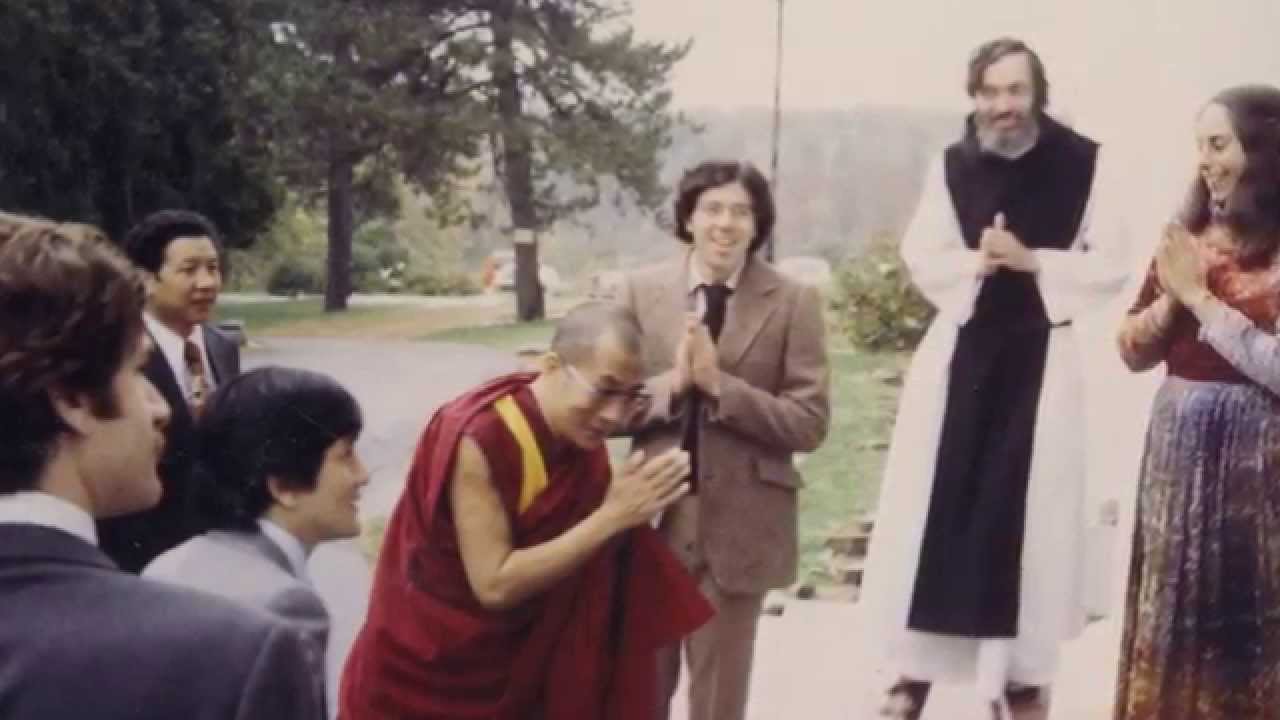
Sharon Salzberg's assertion, "It is not what you do, but how you do it that matters," invites us to reflect on the deeper significance of our actions. This statement emphasizes that the quality of our intentions and the manner in which we engage with the world hold far greater importance than the actions themselves. In a society often fixated on outcomes and achievements, this perspective challenges us to cultivate mindfulness and presence in our daily endeavors, reminding us that the heart of our actions shapes their impact.
To delve deeper, we must consider the implications of this teaching on our personal and communal lives. The essence of how we approach our tasks—whether mundane or monumental—can transform our experiences and relationships. By focusing on the quality of our engagement, we can foster a sense of connection, compassion, and authenticity that transcends the mere completion of tasks. This shift in perspective invites us to explore the richness of our intentions and the vibrancy of our presence in each moment.
The image / the metaphor
At first glance, Salzberg's quote presents a straightforward dichotomy between action and intention. The imagery conjured by the words "what you do" suggests a focus on external accomplishments, while "how you do it" evokes a sense of inner quality and mindfulness. The verbs chosen—"do" and "matters"—imply a dynamic interplay between action and significance, urging us to consider the underlying motivations that drive our behavior. This felt sense of the quote invites us to examine not just the surface of our actions but the deeper currents that inform them.
Going further into the metaphor, we can see that "how" encompasses a range of qualities: the energy we bring, the awareness we cultivate, and the compassion we extend. It suggests a dance between intention and action, where the former infuses the latter with meaning and depth. This metaphorical lens encourages us to view our lives as a tapestry woven with threads of intention, where each action is a reflection of our inner state. In this way, the quote becomes a call to embody our values in every step we take.
In the speaker's tradition
Sharon Salzberg's teachings are deeply rooted in the Buddhist tradition, where the concepts of intention and mindfulness are central to the path of awakening. In Buddhism, the notion of "right intention" is a key aspect of the Noble Eightfold Path, emphasizing that our motivations shape the ethical quality of our actions. This aligns with the idea of "dharma," which refers to the natural order of the universe and our place within it. By cultivating awareness of our intentions, we align ourselves with this greater truth, allowing our actions to resonate with compassion and wisdom.
Moreover, the Buddhist concept of "sunyata," or emptiness, invites us to recognize that our actions are not inherently fixed but are shaped by our perceptions and intentions. This understanding encourages a fluidity in how we approach our lives, allowing us to let go of rigid expectations and embrace the present moment. In her book "A Heart as Wide as the World," Salzberg illustrates this connection between intention and action, inviting readers to explore the transformative power of mindfulness in their daily lives.
Living the teaching
Consider a modern scenario where this teaching can be applied: a workplace meeting. Often, the focus is on the agenda and outcomes, but if we shift our attention to how we engage with our colleagues—listening actively, expressing empathy, and fostering collaboration—we create a more harmonious and productive environment. The quality of our interactions can transform the atmosphere, leading to more meaningful connections and innovative solutions. In this context, it becomes clear that the way we conduct ourselves can have a profound impact on the collective experience.
In a different application, think about a challenging conversation with a loved one. Instead of merely aiming to resolve a conflict, if we approach the dialogue with patience, openness, and a genuine desire to understand, we honor the relationship itself. The intention behind our words and actions can either build bridges or create walls. By embodying the essence of Salzberg's teaching, we can navigate difficult moments with grace, allowing our interactions to reflect our deepest values and intentions.
A reflection
As we contemplate Sharon Salzberg's profound insight, we are invited to ask ourselves: How can I bring greater awareness to the quality of my intentions in my daily actions? This question encourages us to pause and reflect on the motivations that drive our behavior, inviting a deeper exploration of our inner landscape. By cultivating mindfulness in our actions, we can begin to align our external expressions with our inner values, creating a life that resonates with authenticity and compassion.