
In eigenen Worten
Worte von Sharon Salzberg
“You yourself, as much as anybody in the entire universe, deserve your love and affection.”
“The work of a lifetime is to love and be loved.”
“Let your love be wide as the world.”
“Your awareness is the most precious gift you can offer.”
“Faith is the courage to remain present with what is unfolding.”
“Metta begins with you. Without it, you cannot offer it.”
What's Happening
Coming Up


Listening Journey
Sound Journey
Discography
Albums & Releases

![Wahre Liebe [Der buddhistische Weg, mit sich selbst und anderen glücklich zu leben (Gekürzte Lesefassung)]](https://res.cloudinary.com/dbxvpryho/image/fetch/e_auto_brightness/e_auto_contrast/e_auto_color/e_vibrance:40/co_rgb:FFD9A0,e_colorize:5/e_sharpen:35/fl_force_strip/f_auto,q_auto:best,dpr_auto,c_thumb,g_faces:auto,w_300,h_300/https%3A%2F%2Fi.scdn.co%2Fimage%2Fab67616d0000b273fce0e20310cda6818857b729)


Watch
Watch & Listen

Engaged Compassion: Opening Hearts Without Hardening in Crisis
In a world of constant connectivity and widespread suffering, how do we maintain open hearts without becoming hardened or overwhelmed? Sharo…

Bridge Inner Practice to Meaningful World Action
Sharon Salzberg's Real Change program teaches how to connect meditation and lovingkindness practice with effective action for the world.…

Meditation Q&A: Guided Practice, Difficult Emotions & Joy
Sharon Salzberg answers participant questions on guided meditation, processing difficult emotions, and cultivating joy and compassion in dai…

Meditation Practice Q&A: Building Consistency and Working With Challenges
Sharon Salzberg answers questions from Real Happiness Challenge participants about meditation practice, grief, anxiety, and sustaining daily…
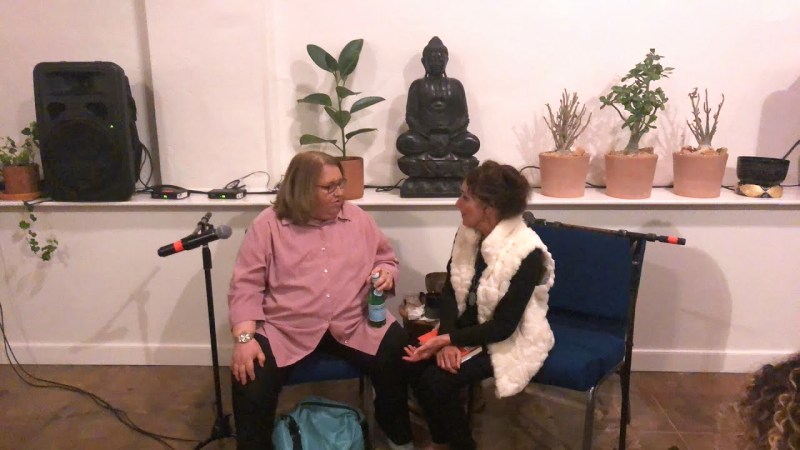
Launch Party: Beginning a Loving-Kindness Practice
Sharon Salzberg explores the foundations and initial steps of loving-kindness meditation, offering practical guidance for beginning a transf…

Real Happiness Meditation: Building a Daily Practice
Sharon Salzberg launches her Real Happiness Meditation Challenge, offering foundational guidance on establishing a sustainable meditation pr…
Curated by BrightStar


