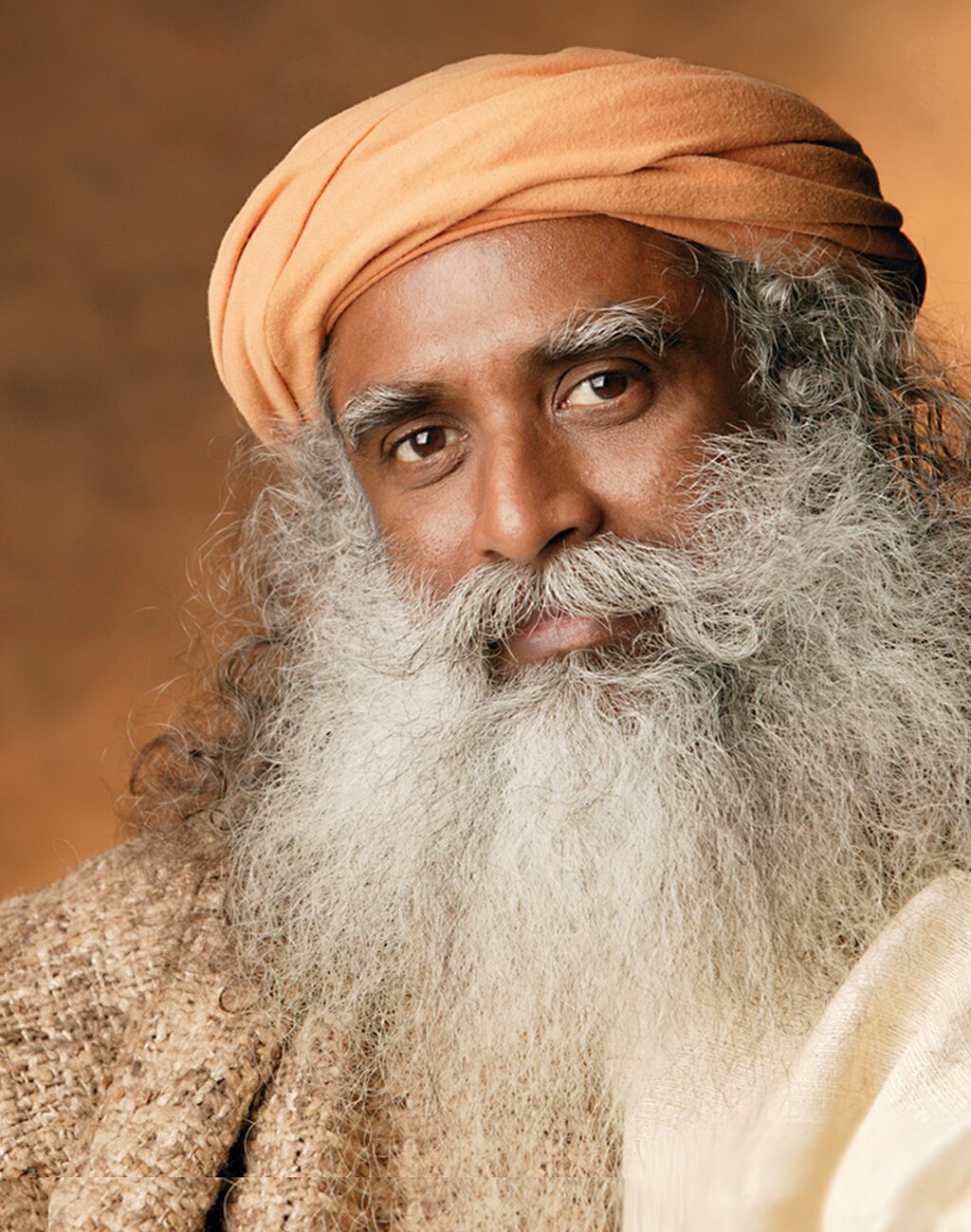
In the words of Sadhguru, "Freedom is not the absence of restrictions. Freedom is the absence of compulsions." This profound statement invites us to reconsider our understanding of freedom, urging us to look beyond mere external limitations. It suggests that true liberation is not simply about removing barriers but rather about transcending the internal forces that compel our actions. This distinction is crucial, as it speaks to the deeper layers of human experience and the quest for authentic existence.
To grasp the essence of this teaching, we must delve into the nature of compulsion itself. Compulsions often arise from conditioned responses, societal expectations, or even our own fears and desires. They can manifest as a relentless drive to conform or achieve, leading us to act against our true nature. By recognizing that freedom lies in the absence of these internal pressures, we begin to understand that liberation is an inner journey, one that requires introspection and self-awareness.
The image / the metaphor
At first glance, Sadhguru's quote presents a striking dichotomy between freedom and restriction. The imagery evokes a sense of confinement versus liberation, where restrictions are often perceived as external chains. However, the emphasis on "compulsions" shifts the focus inward, suggesting that the true shackles we face are not always visible. This nuanced understanding invites us to explore the internal landscape of our minds, where the real battle for freedom takes place.
Diving deeper into the metaphor, we can envision freedom as a vast, open space, while compulsion resembles a dense fog that obscures our path. In this sense, the absence of compulsion does not imply a lack of direction or purpose; rather, it signifies clarity of intention. When we are free from the compulsive tendencies that dictate our choices, we can navigate our lives with authenticity and grace, guided by our true selves rather than external pressures.
In the speaker's tradition
Sadhguru's teachings are rooted in the ancient wisdom of yoga, which emphasizes the importance of self-realization and inner freedom. Concepts such as dharma, or one's true path, and prajna, the wisdom that arises from deep understanding, resonate profoundly with the idea of freedom from compulsion. In this context, freedom is not merely a personal pursuit but a vital aspect of fulfilling one's dharma, allowing individuals to act in alignment with their true nature rather than societal expectations.
Moreover, this notion of freedom can be paralleled with the Buddhist concept of sunyata, or emptiness, which encourages the relinquishment of attachments and compulsions. Just as sunyata invites practitioners to let go of the clinging that binds them, Sadhguru's teaching calls us to release the internal compulsions that dictate our actions. In both traditions, the path to true freedom is paved with self-awareness and the courage to confront our inner landscapes.
Living the teaching
Consider a modern scenario where this teaching can be applied: a professional feeling trapped in a job that demands conformity and adherence to rigid corporate norms. The individual may experience a sense of freedom upon leaving the job, yet if they carry the compulsion to seek validation through external achievements, they may find themselves in a new cage. True freedom, in this case, would involve recognizing and addressing the internal drivers that compel them to seek approval, allowing them to pursue a path that resonates with their authentic self.
In relationships, the concept of freedom from compulsion can manifest in the dynamics between partners. Imagine a situation where one partner feels compelled to please the other, often at the expense of their own needs. By cultivating awareness of this compulsion, they can begin to communicate openly and authentically, fostering a relationship built on mutual respect and understanding. This shift not only liberates the individual but also enriches the partnership, allowing both to thrive in their authenticity.
A reflection
As we contemplate Sadhguru's insight, we are invited to reflect on our own lives: What internal compulsions dictate our choices and actions? In what ways do we seek freedom through external means, while neglecting the deeper work of liberating ourselves from within? This inquiry can serve as a powerful catalyst for transformation, guiding us toward a more authentic and fulfilling existence.