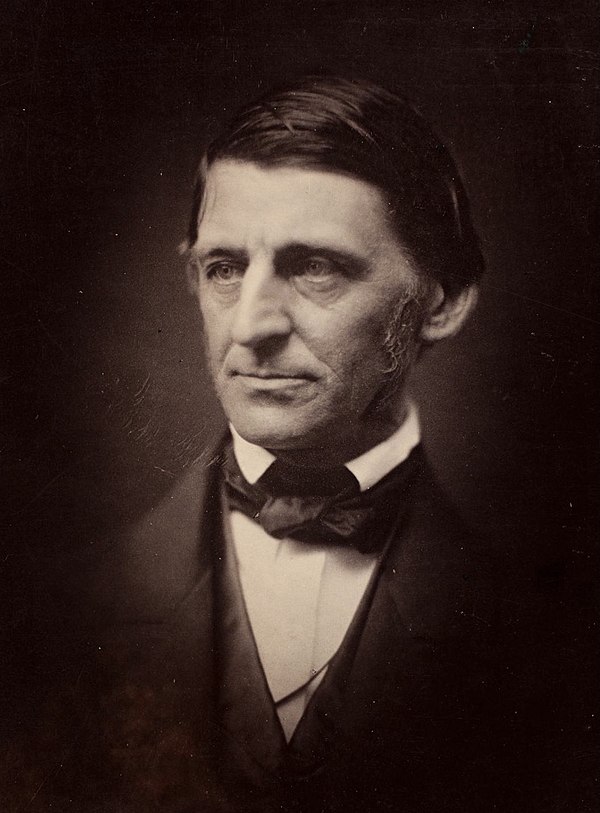
Ralph Waldo Emerson's assertion that "to the well-born child, all the virtues are natural, and not painfully acquired" invites us to reflect on the inherent qualities of goodness and virtue that reside within us. This statement suggests that virtues are not merely the result of arduous effort or external imposition but are instead innate characteristics that emerge from our true nature. The stakes of this understanding are profound: if we recognize that virtue is a natural state, we may approach our moral lives with greater ease and authenticity, fostering a deeper connection to ourselves and others.
Delving deeper, Emerson's quote challenges the conventional notion that moral development is a struggle, often laden with guilt and self-doubt. Instead, he posits that virtues are akin to the natural instincts of a well-born child, suggesting that our essence is inherently aligned with goodness. This perspective encourages a shift in how we view personal growth and ethical behavior, inviting us to cultivate an environment where our natural virtues can flourish rather than be forced into existence through discipline or societal pressure.
The image / the metaphor
At the heart of Emerson's quote lies a vivid imagery of a "well-born child," evoking the purity and innocence associated with youth. The phrase "all the virtues are natural" suggests a seamless integration of goodness into the very fabric of one's being. The verbs "are" and "acquired" contrast the effortless existence of virtues with the painful struggle often associated with moral development. This imagery evokes a sense of grace, as if virtues are not something we must strive for but rather something we can simply allow to emerge from within.
Digging deeper into the metaphor, we can see that Emerson is not merely speaking of children but is addressing the essence of humanity itself. The "well-born child" symbolizes an ideal state of being, one that is untainted by the complexities and challenges of adult life. This metaphor invites us to consider the possibility that, beneath the layers of societal conditioning and personal struggle, we all possess an innate capacity for virtue. It suggests that our journey toward goodness is less about acquiring new traits and more about rediscovering and nurturing the virtues that already reside within us.
In the speaker's tradition
Emerson's thoughts are deeply rooted in the tradition of transcendentalism, which emphasizes the inherent goodness of both people and nature. This philosophy aligns closely with concepts such as dharma, the idea of living in accordance with one's true nature, and prajna, the wisdom that arises from understanding one's own essence. In this light, Emerson's assertion can be seen as an invitation to recognize and embrace our own dharma, allowing our natural virtues to guide our actions and decisions.
In his essay "Self-Reliance," Emerson further explores the theme of individuality and the importance of trusting oneself. He writes, "Trust thyself: every heart vibrates to that iron string." This sentiment echoes the essence of his quote, suggesting that when we align with our true selves, we naturally express virtues without the burden of external expectations. The transcendentalist belief in the interconnectedness of all beings reinforces the idea that our virtues are not isolated traits but part of a larger tapestry of existence, woven together by the shared essence of humanity.
Living the teaching
Consider a modern scenario where this teaching might resonate: a young person navigating the pressures of academic achievement. In a world that often equates success with relentless competition and external validation, this individual may feel the weight of expectation. However, if they can embrace the idea that their virtues—such as diligence, creativity, and empathy—are innate qualities, they might approach their studies with a sense of joy and authenticity rather than anxiety. This perspective allows them to cultivate their natural gifts, leading to a more fulfilling and meaningful educational experience.
In a different context, imagine a relationship where one partner struggles with feelings of inadequacy. By reflecting on Emerson's teaching, they might begin to recognize that their capacity for love, kindness, and understanding is not something they must earn or prove. Instead, they can allow these virtues to flow naturally, fostering a deeper connection with their partner. This shift in perspective can transform the dynamics of the relationship, creating a space where both individuals feel free to express their authentic selves without the burden of performance.
A reflection
As we contemplate Emerson's assertion, we are invited to ask ourselves: What innate virtues lie dormant within me, waiting to be recognized and expressed? This question encourages a journey of self-discovery, prompting us to explore the qualities that define our true selves. By embracing the understanding that virtues are not external achievements but rather natural expressions of our essence, we can cultivate a life that is both authentic and fulfilling, allowing our inherent goodness to shine forth.


