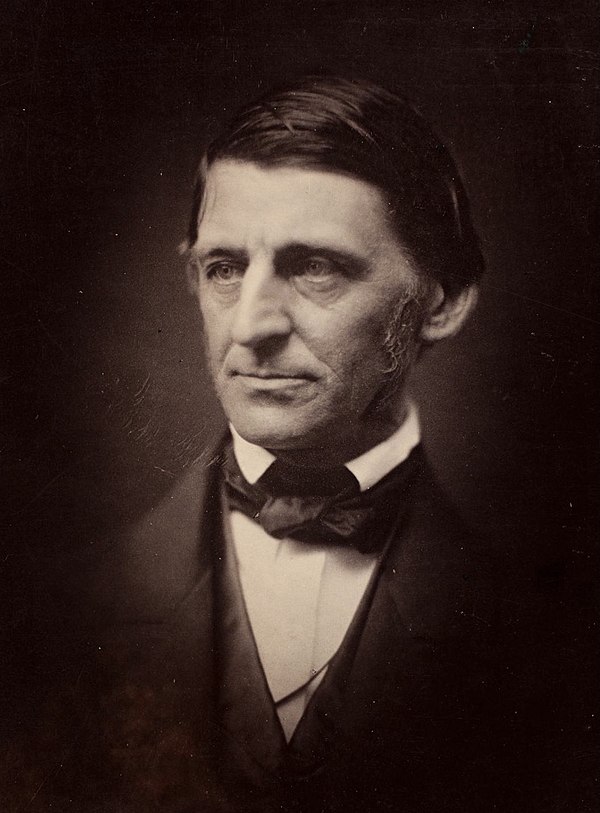
Ralph Waldo Emerson's assertion that "to speak truly, few adult persons can see nature" invites us to reconsider our relationship with the world around us. In this statement, Emerson suggests that the act of truly seeing—of perceiving nature in its essence—remains elusive for most adults. This observation is not merely a critique of our visual engagement with the natural world; it is a profound commentary on our spiritual blindness and the barriers we erect between ourselves and the beauty of existence. Understanding this quote is essential, as it challenges us to awaken our senses and cultivate a deeper awareness of the life that surrounds us.
Emerson's words resonate with a timeless urgency, urging us to move beyond superficial observations and engage with nature on a more intimate level. The notion of "seeing" extends beyond the physical act of observation; it encompasses a holistic awareness that integrates our emotional, intellectual, and spiritual faculties. In a world increasingly dominated by distractions and artificial constructs, Emerson's call to truly see nature serves as a reminder of the importance of reconnecting with the natural world. This reconnection is not merely a nostalgic longing for simpler times; it is a vital practice for nurturing our inner lives and fostering a sense of belonging in the universe.
The image / the metaphor
At its core, Emerson's quote employs the imagery of sight to convey a deeper truth about perception. The verb "see" suggests an active engagement, a process that requires more than just the physical act of looking. To "see nature" implies a profound understanding and appreciation of the interconnectedness of all living things. This act of seeing is laden with emotional resonance, evoking a sense of wonder and reverence for the natural world. The phrase "few adult persons" highlights the rarity of this experience, suggesting that as we grow older, we often lose the ability to perceive the world with the clarity and innocence of childhood.
Diving deeper into the metaphor, we can interpret "nature" not only as the physical environment but also as the essence of existence itself. Emerson invites us to consider the layers of meaning that lie beneath the surface of our everyday experiences. The challenge is to peel away the distractions and preconceived notions that cloud our vision, allowing us to encounter the world with fresh eyes. This metaphorical seeing requires a willingness to engage with the world authentically, to embrace the beauty and complexity of life in all its forms. It is an invitation to cultivate a practice of mindfulness that fosters a genuine connection with the essence of nature.
In the speaker's tradition
Emerson's insights are deeply rooted in the tradition of transcendentalism, a philosophical movement that emphasizes the inherent goodness of people and nature. This perspective aligns with concepts such as dharma, which speaks to the natural order and purpose of life, and prajna, the wisdom that arises from direct experience. In transcendental thought, the act of seeing is not merely a sensory experience but a spiritual awakening that allows individuals to recognize their place within the larger tapestry of existence. Emerson's emphasis on the importance of direct experience echoes the teachings found in various spiritual traditions, where the journey toward understanding often begins with a deep engagement with the natural world.
In his seminal work, "Nature," Emerson articulates the idea that the natural world serves as a mirror reflecting our inner lives. He writes, "In the presence of nature, a wild delight runs through the man, in spite of real sorrows." This statement encapsulates the transcendental belief that nature has the power to awaken our spirits and reveal deeper truths about ourselves. By engaging with the natural world, we can access a profound sense of connection and understanding that transcends the limitations of our everyday perceptions. Emerson's call to truly see nature invites us to embark on a journey of self-discovery and spiritual growth.
Living the teaching
In our modern lives, the challenge of truly seeing nature can manifest in various ways. Consider a scenario where an individual takes a walk in a local park, surrounded by trees, flowers, and the sounds of birds. While the physical presence of nature is evident, the experience may remain superficial if the individual is preoccupied with thoughts about work, relationships, or the myriad distractions of daily life. To embody Emerson's teaching, one must consciously shift their awareness, allowing themselves to fully immerse in the sights, sounds, and sensations of the natural environment. This practice of mindful engagement can transform a simple walk into a profound experience of connection and insight.
Another application of this teaching can be found in our relationships with others. Often, we engage with friends and loved ones through a lens clouded by assumptions and judgments, preventing us from truly seeing them for who they are. By applying Emerson's call to see more deeply, we can cultivate a practice of active listening and presence, allowing us to connect with others on a more authentic level. This shift in perception not only enriches our relationships but also fosters a greater sense of empathy and understanding, enabling us to appreciate the unique beauty of each individual we encounter.
A reflection
As we contemplate Emerson's assertion that "few adult persons can see nature," we are invited to reflect on our own capacity for perception. What barriers do we erect that prevent us from truly engaging with the world around us? In what ways can we cultivate a deeper awareness of nature and the people in our lives? These questions serve as a starting point for our journey toward a more profound understanding of existence, encouraging us to seek the beauty and wisdom that lies beyond the surface of our everyday experiences.