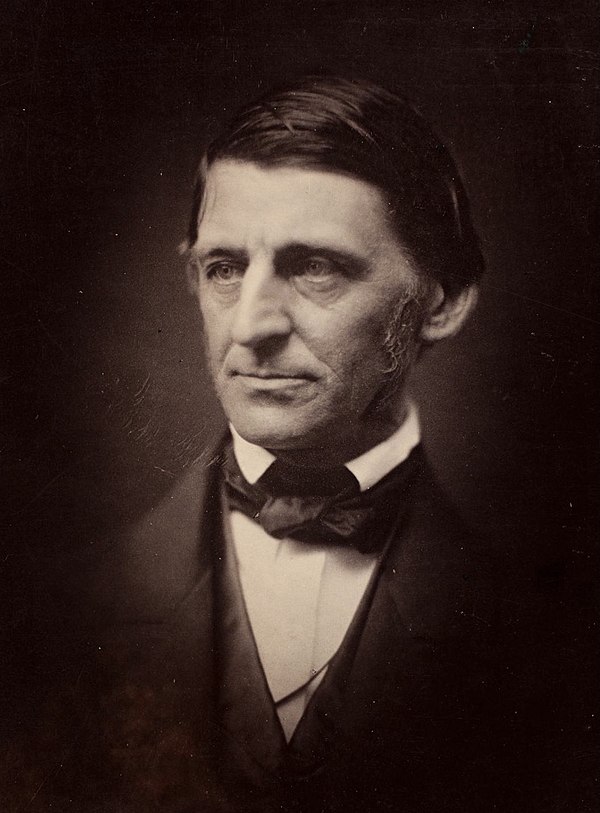
In Ralph Waldo Emerson's evocative words, "Standing on the bare ground — my head bathed by the blithe air, and uplifted into infinite space — all mean egotism vanishes." This quote captures a profound moment of transcendence, where the individual self dissolves into the vastness of nature. Emerson invites us to consider the transformative power of our surroundings, suggesting that true liberation from the confines of ego can be found in the embrace of the natural world. This notion is not merely poetic; it speaks to a deep spiritual truth that resonates across time and tradition.
As we delve deeper into Emerson's insight, we recognize that this experience of standing on the "bare ground" is not just a physical act but a spiritual awakening. The "blithe air" and "infinite space" symbolize a state of being where one can connect with the universe beyond the limitations of the self. In this state, the burdens of identity and societal expectations dissipate, allowing for a more profound understanding of existence. Emerson's words challenge us to seek moments of stillness and connection with nature, where we can experience the liberation that comes from letting go of our ego-driven narratives.
The image / the metaphor
The imagery in Emerson's quote is rich and evocative, conjuring a scene that is both grounding and expansive. The "bare ground" signifies a return to the essence of life, stripped of artifice and pretense. It invites us to feel the earth beneath our feet, a reminder of our connection to the physical world. The "blithe air" suggests a lightness of being, an uplifting force that encourages us to rise above our mundane concerns. The phrase "uplifted into infinite space" evokes a sense of boundless possibility, where the limitations of the self fade away, allowing for a profound sense of unity with the cosmos.
Diving deeper into the metaphor, we find that Emerson is not merely describing a physical landscape but rather a spiritual landscape. The act of standing on the ground symbolizes grounding oneself in reality, while the air and space represent the expansive nature of consciousness. This duality reflects the transcendentalist belief in the interconnectedness of all things. In this moment of transcendence, the ego, which often serves as a barrier to genuine connection, dissolves, revealing the underlying unity of existence. Emerson's imagery invites us to explore our own experiences of transcendence, encouraging us to seek moments where we can step beyond the confines of our individual selves.
In the speaker's tradition
Emerson's thoughts are deeply rooted in the tradition of transcendentalism, a movement that emphasizes the inherent goodness of people and nature. Central to this philosophy is the idea that individuals can achieve a higher understanding of truth through personal intuition and direct experience with the natural world. Concepts such as dharma, which refers to one's duty or path in life, resonate with Emerson's call to align oneself with the greater forces of nature. Similarly, the notion of kenosis, or self-emptying, reflects the process of shedding the ego to embrace a more expansive consciousness.
In his seminal work, "Nature," Emerson articulates the belief that nature serves as a mirror to the soul, reflecting our innermost truths. This idea parallels the Buddhist concept of sunyata, or emptiness, which teaches that the self is an illusion and that true understanding arises from recognizing our interconnectedness with all beings. Emerson's assertion that "all mean egotism vanishes" echoes the sentiment found in various spiritual traditions, where the dissolution of the ego is seen as a pathway to enlightenment and unity with the divine. By situating Emerson within this broader spiritual context, we can appreciate the timelessness of his insights and their relevance to our own journeys.
Living the teaching
Consider a modern scenario where this teaching might resonate: a busy urban professional, overwhelmed by the demands of work and life, decides to take a weekend retreat in nature. As they stand on the edge of a serene lake, surrounded by towering trees and the gentle rustle of leaves, they begin to feel the weight of their ego lift. In this moment, the pressures of deadlines and societal expectations fade away, replaced by a profound sense of peace and connection to the world around them. This experience illustrates how stepping into nature can facilitate a deeper understanding of oneself and the universe, allowing for a momentary escape from the confines of the ego.
In another context, imagine a relationship strained by misunderstandings and ego-driven conflicts. By consciously choosing to engage in open communication and vulnerability, both partners can create a space where their individual egos dissolve, allowing for a deeper connection. This practice of kenosis, or self-emptying, fosters empathy and understanding, enabling both individuals to rise above their differences and embrace a shared sense of love and unity. In both scenarios, Emerson's teaching serves as a guiding light, reminding us that the path to transcendence often lies in our willingness to let go of the self and embrace the beauty of connection.
A reflection
As we contemplate Emerson's profound insight, we are invited to reflect on our own experiences of transcendence. In what moments have we felt the weight of our egos lift, allowing us to connect more deeply with ourselves and the world around us? This question encourages us to seek out those transformative experiences, whether in nature, relationships, or moments of stillness, reminding us that the journey toward liberation from ego is both personal and universal.