Unveiling the Inner Landscape
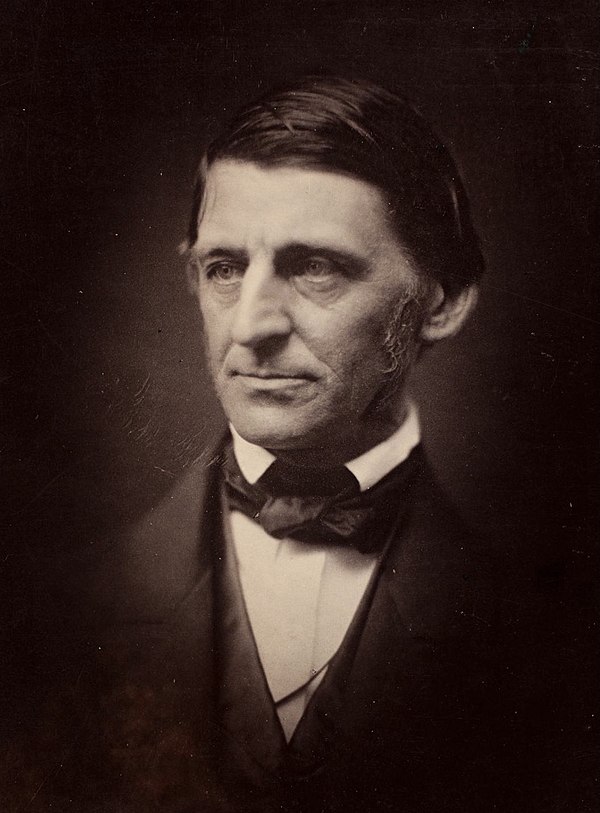
Ralph Waldo Emerson's poignant assertion, "What lies behind us and what lies before us are tiny matters compared to what lies within us," invites us to turn our gaze inward. In a world often preoccupied with external circumstances—our past experiences and future aspirations—Emerson reminds us that the true essence of our being resides within. This introspection is not merely a philosophical exercise; it is a profound call to recognize the depth of our inner lives, where wisdom, strength, and authenticity dwell. Understanding this can transform our approach to life, allowing us to navigate challenges with a grounded sense of self.
To delve deeper into Emerson's insight is to acknowledge the layers of consciousness that shape our existence. The past and future, while significant, often distract us from the present moment and the inner resources we possess. Emerson's words challenge us to cultivate an awareness of our inner landscape, where our thoughts, feelings, and beliefs converge. This inner journey is essential for personal growth and spiritual awakening, as it encourages us to confront our fears, embrace our truths, and ultimately, to live more authentically.
The image / the metaphor
The imagery in Emerson's quote evokes a sense of contrast between the external and the internal. The phrases "what lies behind us" and "what lies before us" suggest a temporal dimension, encapsulating our memories and anticipations. In contrast, "what lies within us" speaks to a timeless essence, a reservoir of potential and wisdom that transcends the confines of time. The verbs chosen—"lie behind," "lie before," and "lie within"—imply a passive existence of external factors, while the inner self is portrayed as an active, vibrant source of strength and insight.
In the speaker's tradition
Emerson's thought is deeply rooted in the tradition of transcendentalism, which emphasizes the inherent goodness of people and nature, as well as the importance of individual intuition and spirituality. This philosophy aligns closely with concepts such as dharma, which refers to one's true path or duty, and prajna, the wisdom that arises from deep understanding. In this context, Emerson's quote serves as a reminder that our inner truths guide us toward fulfilling our unique purpose in life, transcending the limitations imposed by societal expectations or past experiences.
In his essay "Self-Reliance," Emerson elaborates on the importance of trusting oneself and recognizing the divine spark within. He writes, "Trust thyself: every heart vibrates to that iron string." This sentiment echoes the essence of his quote, reinforcing the idea that our inner resources are far more significant than the external circumstances that often preoccupy our minds. By cultivating self-trust and embracing our inner wisdom, we align ourselves with the greater truths of existence, allowing us to navigate life with authenticity and grace.
Living the teaching
Consider a modern scenario where this teaching resonates: a young professional grappling with career choices. Faced with societal pressures to conform to conventional success, they may find themselves overwhelmed by the weight of expectations. Emerson's insight encourages this individual to pause and reflect on their inner desires and values, rather than merely chasing external validation. By tuning into their authentic self, they can make choices that align with their true aspirations, leading to a more fulfilling and meaningful career path.
In the realm of relationships, Emerson's teaching can also provide profound guidance. Imagine a couple navigating a challenging period in their partnership. Instead of focusing solely on past grievances or future uncertainties, they can benefit from turning inward to explore their feelings and motivations. By fostering open communication and self-awareness, they can deepen their connection and cultivate a relationship grounded in mutual understanding and respect. This practice of introspection not only strengthens their bond but also empowers them to face challenges together with resilience.
A reflection
As we contemplate Emerson's wisdom, we are invited to ask ourselves: What lies within me that I have yet to discover? This question encourages a journey of self-exploration, prompting us to delve into our thoughts, emotions, and beliefs. By embracing this inquiry, we open ourselves to the possibility of uncovering hidden strengths and insights that can guide us through life's complexities. In recognizing the depth of our inner landscape, we may find that the true essence of our being is far more powerful than the circumstances that surround us.


