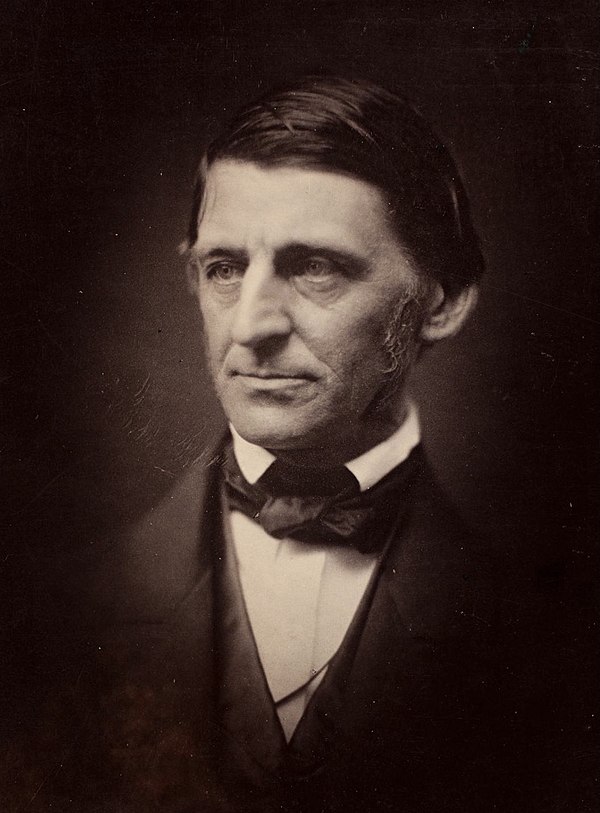
Ralph Waldo Emerson's assertion that "Power is in nature the essential measure of right" invites us to reconsider the foundations of our moral compass. In this statement, Emerson suggests that the essence of what is deemed 'right' is intrinsically linked to the power inherent in nature itself. This relationship between power and morality is not merely philosophical; it has profound implications for how we navigate our lives and the choices we make. Understanding this connection can lead us to a more authentic existence, one that aligns with the natural world and its inherent truths.
As we delve deeper into Emerson's thought, we find that he is urging us to recognize the authority of nature as a guiding force in our ethical considerations. This perspective challenges the conventional views of right and wrong that are often dictated by societal norms or human constructs. Instead, Emerson invites us to look to the natural world, where power manifests in its purest form, as a source of wisdom and guidance. In doing so, he encourages a return to a more instinctual understanding of our place within the universe, one that honors the interconnectedness of all life.
The image / the metaphor
The imagery in Emerson's quote evokes a sense of the primal and the elemental. When he speaks of 'power' in nature, he conjures visions of towering mountains, the relentless flow of rivers, and the quiet strength of ancient trees. These natural phenomena embody a force that is both awe-inspiring and humbling, reminding us that there exists a greater authority beyond human constructs. The verbs chosen—'is' and 'measure'—suggest a state of being that is absolute and unyielding, emphasizing that power is not merely an attribute but a fundamental aspect of existence itself.
Diving deeper into the metaphor, we can understand 'nature' not just as the physical world, but as a representation of universal truths and principles. Nature, in this context, becomes a teacher, imparting lessons about resilience, balance, and the cyclical nature of life. The 'measure of right' implies a standard against which our actions and beliefs can be evaluated, urging us to align ourselves with the rhythms and laws of the natural world. This alignment is not only a moral imperative but also a pathway to personal empowerment, as we learn to navigate our lives in harmony with the forces that govern existence.
In the speaker's tradition
Emerson's thought is deeply rooted in the transcendentalist tradition, which emphasizes the inherent goodness of people and nature. This philosophy aligns closely with concepts such as dharma, which refers to the moral order of the universe, and prajna, the wisdom that arises from understanding the interconnectedness of all things. In this light, Emerson's assertion can be seen as an invitation to engage with the world around us in a way that honors the natural order and our place within it. The transcendentalists believed that by connecting with nature, individuals could access a deeper understanding of themselves and their moral responsibilities.
In his essay "Nature," Emerson articulates the idea that nature is a reflection of the divine and serves as a guide for human behavior. He writes about the importance of intuition and the need to trust one's inner voice, which resonates with the notion of 'right' being measured by the power of nature. This connection between the individual and the natural world is a recurring theme in transcendentalist literature, where the exploration of self is often intertwined with the exploration of the environment. Emerson's call to recognize the power of nature as a measure of right is thus a profound reminder of our responsibility to live in accordance with the greater truths that govern our existence.
Living the teaching
In contemporary life, the teaching that power is rooted in nature can manifest in various ways. Consider a modern scenario where an individual is faced with a decision regarding environmental conservation. In this context, the understanding that nature holds power can guide them toward choices that prioritize sustainability and respect for the earth. By recognizing the intrinsic value of natural ecosystems, one can align their actions with a moral framework that honors the power of nature, ultimately contributing to the well-being of the planet and future generations.
Another application of this teaching can be found in personal relationships, particularly during moments of conflict. When faced with a disagreement, one might reflect on the power dynamics at play and consider how nature's principles of balance and harmony can inform their approach. By seeking to understand the underlying motivations and emotions of all parties involved, individuals can navigate conflicts with a sense of empathy and respect, fostering connections that are rooted in the natural order of human relationships. This practice not only enhances interpersonal dynamics but also reinforces the idea that right action is often found in alignment with the greater forces of nature.
A reflection
As we contemplate Emerson's assertion that "Power is in nature the essential measure of right," we are invited to reflect on our own lives and the choices we make. How often do we consider the natural world as a guide in our moral decision-making? In what ways can we deepen our connection to nature and allow its inherent power to inform our understanding of right and wrong? These questions encourage us to engage with the world around us more thoughtfully, fostering a sense of responsibility and reverence for the natural order that sustains us.


