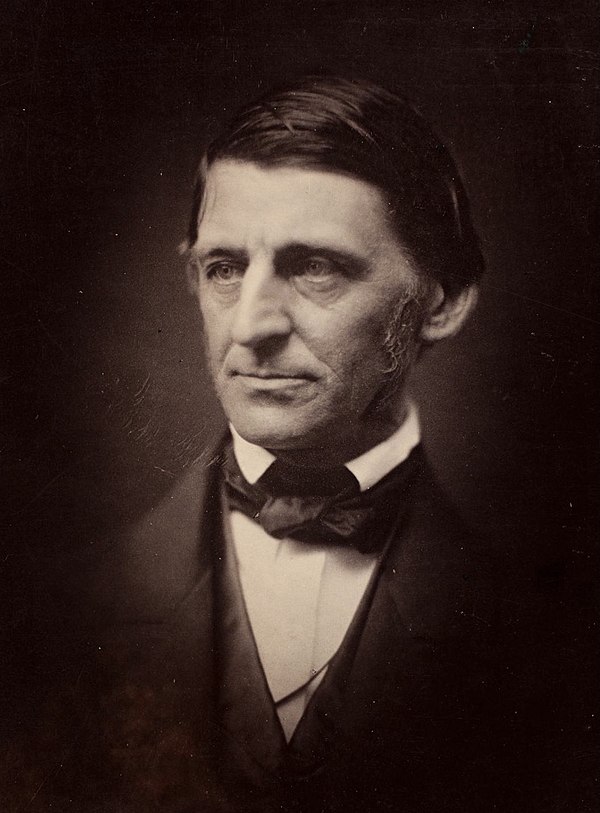
Ralph Waldo Emerson's assertion that "Nature is the symbol of spirit" invites us to explore the profound relationship between the natural world and the essence of our inner selves. In this statement, Emerson suggests that the physical realm is not merely a backdrop for human existence but a living representation of deeper spiritual truths. This perspective challenges us to reconsider our connection to nature and to recognize it as a vital source of wisdom and insight. Understanding this relationship can lead to a more harmonious existence, where the external and internal worlds are seen as reflections of one another.
Delving deeper into Emerson's thought, we find that he perceives nature as a conduit through which the spirit expresses itself. This idea resonates with the transcendentalist belief that the divine is immanent in the world around us. By viewing nature as a symbol of spirit, Emerson encourages us to cultivate a sense of reverence for the environment, recognizing that it holds lessons about our own spiritual journeys. This perspective not only enriches our appreciation of the natural world but also invites us to engage with it more mindfully and intentionally.
The image / the metaphor
At its core, Emerson's quote employs the imagery of nature as a living symbol, suggesting that every tree, river, and mountain embodies spiritual significance. The choice of the word "symbol" indicates that nature is not merely a physical entity but a representation of something greater—an expression of the spirit that animates all life. This imagery evokes a sense of interconnectedness, where the beauty and complexity of the natural world mirror the intricacies of our own spiritual experiences. The verbs inherent in the quote, such as "is," imply a state of being, suggesting that nature and spirit are not separate but rather intertwined in a dynamic relationship.
Going deeper into the metaphor, we can see that Emerson's assertion invites us to consider how nature reflects our inner states. Just as the changing seasons can symbolize the cycles of life, our emotional landscapes can be mirrored in the natural world. For instance, a stormy day may resonate with feelings of turmoil, while a serene sunset can evoke peace and contentment. This metaphorical relationship encourages us to observe nature not just as an external phenomenon but as a source of insight into our own spiritual conditions, prompting us to engage in a dialogue with the world around us.
In the speaker's tradition
Emerson's thought is deeply rooted in the transcendentalist tradition, which emphasizes the inherent goodness of both people and nature. This philosophy aligns with concepts such as dharma, which refers to the natural order and one's duty within it, and prajna, the wisdom that arises from understanding the interconnectedness of all things. In transcendentalism, nature is seen as a teacher, guiding individuals toward self-discovery and spiritual awakening. Emerson's assertion that nature symbolizes spirit encapsulates this belief, suggesting that by immersing ourselves in the natural world, we can access deeper truths about ourselves and our place in the universe.
A relevant text that echoes this sentiment is Emerson's own essay "Nature," where he articulates the idea that the natural world serves as a mirror for the soul. He writes, "In the presence of nature, a wild delight runs through the man, in spite of real sorrows." This passage illustrates how nature can evoke profound emotional responses, serving as a catalyst for spiritual reflection and growth. By situating his quote within this broader context, we can appreciate how Emerson's insights are not merely personal musings but part of a larger philosophical framework that values the interplay between nature and spirit.
Living the teaching
In our modern lives, the teaching that "Nature is the symbol of spirit" can manifest in various ways. Consider a busy urbanite who feels disconnected from their surroundings. By taking a moment to step outside and immerse themselves in a local park or garden, they may begin to notice the intricate details of the natural world—the rustling leaves, the chirping birds, the vibrant colors of flowers. This simple act of observation can serve as a reminder of the beauty and wisdom that nature offers, prompting a deeper reflection on their own inner state and spiritual journey. Such moments can foster a sense of peace and connection, bridging the gap between the self and the external world.
Another application of this teaching can be found in the realm of relationships. Imagine a couple navigating a difficult moment, perhaps a disagreement that feels insurmountable. By choosing to take a walk in nature together, they may find that the beauty of their surroundings softens their hearts and opens their minds. As they witness the resilience of nature—trees that bend but do not break, flowers that bloom despite adversity—they may be inspired to approach their conflict with greater compassion and understanding. In this way, nature becomes a powerful symbol of the spirit, guiding them toward reconciliation and deeper connection.
A reflection
As we contemplate Emerson's assertion that "Nature is the symbol of spirit," we are invited to reflect on our own relationship with the natural world. How often do we pause to observe the beauty around us, and what insights might we gain from such moments of stillness? In what ways can we allow nature to inform our understanding of ourselves and our spiritual journeys? These questions serve as a gentle reminder to engage with the world around us, recognizing that in the dance of nature, we may find reflections of our own spirit.