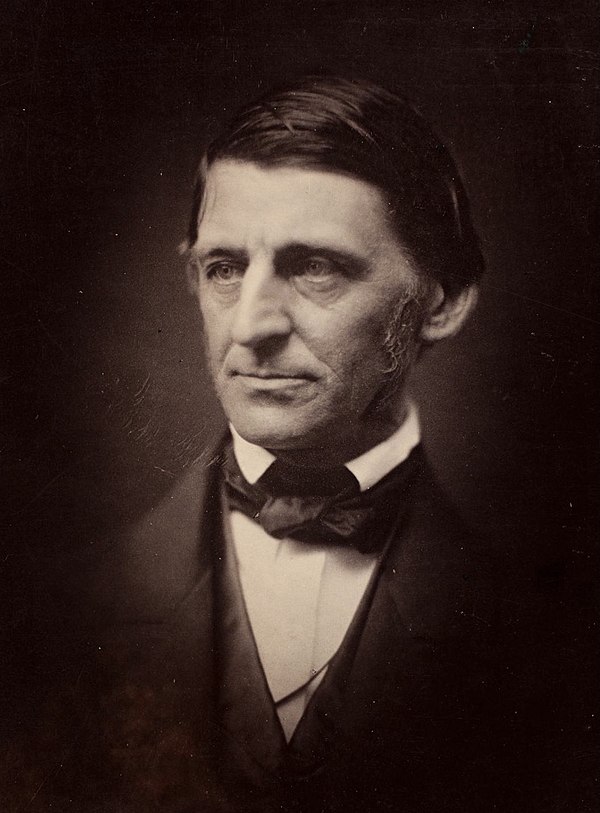
Ralph Waldo Emerson's assertion that "It is impossible to tilt the beam" speaks to the immutable nature of truth and balance in our lives. This statement invites us to reflect on the inherent equilibrium that exists in the universe, suggesting that no matter how we may attempt to manipulate our circumstances, the fundamental truths remain steadfast. The stakes of this realization are profound; understanding this principle can lead to a deeper sense of peace and acceptance in our lives, allowing us to navigate the complexities of existence with grace.
In a world often characterized by chaos and uncertainty, Emerson's words serve as a reminder of the importance of aligning ourselves with the natural order of things. The metaphor of a beam evokes images of balance and stability, urging us to recognize that our efforts to distort or alter reality are ultimately futile. This understanding can liberate us from the burdens of anxiety and striving, encouraging us to embrace a more harmonious way of being that honors the truth of our experiences.
The image / the metaphor
The imagery of a beam suggests a structure that is both strong and unwavering, a symbol of the balance that underpins the universe. The verb "tilt" implies an attempt to alter this balance, to shift the equilibrium in a way that is not sustainable. This evokes a visceral sense of resistance; just as a physical beam cannot be permanently tilted without consequences, so too can our attempts to manipulate truth lead to instability in our lives. The felt sense here is one of inevitability, as if Emerson is reminding us that the natural order will always reassert itself.
In the speaker's tradition
Emerson's philosophy is deeply rooted in the tradition of transcendentalism, which emphasizes the inherent goodness of people and nature, as well as the importance of individual intuition and experience. This perspective aligns with concepts such as dharma, which refers to the natural order and duty that governs our lives. Just as one cannot deviate from their dharma without consequence, so too can we not tilt the beam of truth without facing the repercussions of imbalance. Emerson's work invites us to explore the interconnectedness of all things and to recognize that our actions have far-reaching implications.
In his essay "Compensation," Emerson elaborates on the principle of balance, suggesting that every action has an equal and opposite reaction. This idea resonates with the Buddhist concept of sunyata, or emptiness, which teaches that all phenomena are interdependent and that our perceptions of reality are often distorted. By acknowledging the immutable nature of truth and balance, we can cultivate a deeper understanding of our place within the larger tapestry of existence, fostering a sense of humility and reverence for the world around us.
Living the teaching
Consider a modern scenario where this teaching might resonate: a professional striving for success in a competitive environment. In their pursuit of recognition and advancement, they may find themselves compromising their values or manipulating situations to gain an advantage. However, as Emerson suggests, such efforts to tilt the beam will ultimately lead to a loss of integrity and fulfillment. By embracing the principle of balance, this individual can instead focus on aligning their actions with their core values, fostering authentic relationships and a sense of purpose that transcends mere ambition.
In the realm of personal relationships, the teaching of balance can also be profoundly impactful. Imagine a couple facing a difficult moment, where one partner feels the need to assert their perspective forcefully. In this situation, the urge to tilt the beam may lead to conflict and resentment. However, by recognizing the importance of equilibrium and mutual respect, both partners can engage in open dialogue, allowing for a deeper understanding of each other's needs and fostering a more harmonious connection. This practice of balance not only strengthens relationships but also cultivates a sense of peace and acceptance in the face of challenges.
A reflection
As we contemplate Emerson's assertion that "It is impossible to tilt the beam," we are invited to reflect on our own lives and the ways in which we may be attempting to manipulate our truths. Are there areas where we are resisting the natural order, striving for control or certainty in ways that ultimately lead to imbalance? In this moment of reflection, consider: What would it mean for you to embrace the truth of your circumstances, allowing the beam of your life to rest in its natural state of equilibrium?


