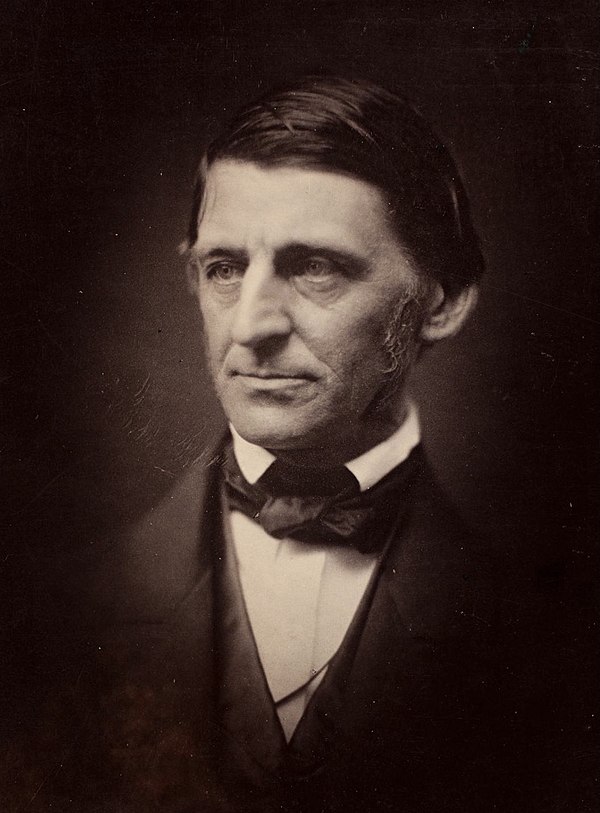
Ralph Waldo Emerson's assertion that "In Nature nothing can be given, all things are sold" invites us to reconsider our relationship with the natural world and the economy that governs it. At first glance, this statement may seem stark, suggesting a transactional view of nature that strips it of its inherent beauty and generosity. However, Emerson's words beckon us to explore deeper themes of balance, reciprocity, and the intricate web of existence that connects all living beings. Understanding this quote is crucial, as it challenges us to reflect on how we engage with the world around us and the values we hold dear.
In a time when environmental concerns and economic disparities are at the forefront of societal discourse, Emerson's insight resonates with renewed urgency. The idea that nothing in nature is freely given compels us to examine the costs associated with our consumption and the ecological consequences of our actions. It urges us to recognize that every interaction with nature carries a weight, a price that reflects the delicate balance of ecosystems and the interconnectedness of life. By contemplating this quote, we can begin to cultivate a more mindful approach to our existence, one that honors the gifts of nature while acknowledging the responsibilities that come with them.
The image / the metaphor
Emerson's quote paints a vivid picture of nature as a marketplace, where every element—be it a tree, a river, or a mountain—has its own value and cost. The choice of verbs like "given" and "sold" evokes a sense of transaction, suggesting that nothing is truly free in the natural world. This imagery compels us to confront the reality that our interactions with nature are not merely passive experiences but active engagements that require acknowledgment of the resources we consume. The felt sense of this metaphor is one of urgency and responsibility, urging us to consider the implications of our actions on the environment.
Diving deeper into the metaphor, we can interpret "sold" as a reminder of the sacrifices that nature endures for our benefit. Each tree cut down, each river dammed, and each species driven to extinction represents a transaction that has far-reaching consequences. This perspective invites us to reevaluate our understanding of value, urging us to see beyond monetary worth and recognize the intrinsic value of nature's gifts. In this light, Emerson's words become a call to stewardship, encouraging us to engage with the natural world in a way that honors its complexity and fragility.
In the speaker's tradition
Emerson's philosophy is deeply rooted in the tradition of transcendentalism, which emphasizes the inherent goodness of people and nature, as well as the importance of individual intuition and spirituality. This perspective aligns with concepts such as dharma, which speaks to the moral order of the universe, and kenosis, the idea of self-emptying for the sake of others. In this context, Emerson's assertion about nature's economy can be seen as an invitation to align our actions with a greater sense of purpose, recognizing that our choices have implications that extend beyond ourselves.
In his essay "Compensation," from which this quote is drawn, Emerson elaborates on the principle of balance in the universe, suggesting that every action has an equal and opposite reaction. This idea resonates with the Buddhist concept of sunyata, or emptiness, which teaches that all phenomena are interdependent and that our understanding of self and other is fundamentally interconnected. By situating Emerson's quote within this broader philosophical framework, we can appreciate the depth of his insight and the timeless relevance of his teachings.
Living the teaching
Consider a modern scenario where this teaching might resonate: a community grappling with the consequences of industrial pollution. As factories emit toxins into the air and waterways, the community faces the reality that nature is not merely a backdrop for human activity but a living entity that bears the weight of our choices. In this context, Emerson's assertion serves as a poignant reminder that the health of the environment is intrinsically linked to our well-being. The community's struggle to reclaim their natural surroundings becomes a reflection of the balance that Emerson speaks of, highlighting the need for responsible stewardship and sustainable practices.
On a more personal level, this teaching can manifest in our relationships. Imagine a friendship that has become one-sided, where one person consistently gives while the other takes without reciprocation. Emerson's quote invites us to reflect on the balance of give-and-take in our connections with others. Just as nature demands reciprocity, so too do our relationships thrive on mutual respect and support. By recognizing the importance of balance in our interactions, we can cultivate deeper, more meaningful connections that honor the spirit of Emerson's wisdom.
A reflection
As we contemplate Emerson's assertion that "In Nature nothing can be given, all things are sold," we are invited to reflect on our own lives and the choices we make. What does it mean for you to engage with nature and the world around you in a way that acknowledges the balance of give and take? In what areas of your life might you need to cultivate greater awareness of the costs associated with your actions? These questions can serve as a guide for deeper introspection, encouraging us to live in harmony with the natural world and each other.


