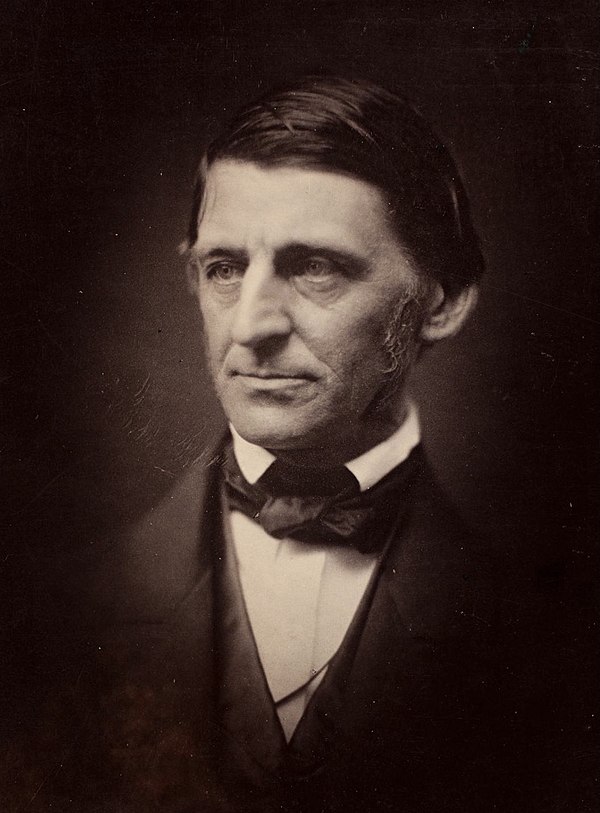
Ralph Waldo Emerson's assertion, "Here we are, and if we will tarry a little, we may come to learn that here is best," invites us to pause and reflect on the significance of our current circumstances. In a world that often pushes us to seek fulfillment in distant dreams or future achievements, Emerson's words remind us of the profound wisdom found in the present moment. This teaching is not merely a call to mindfulness; it is an invitation to recognize the inherent value of our immediate experience, suggesting that true contentment lies not in what we chase, but in what we already possess.
As we delve deeper into Emerson's perspective, we uncover a rich tapestry of meaning woven through the fabric of transcendentalism. This philosophy encourages us to embrace our individuality and the natural world, suggesting that by grounding ourselves in the present, we can access a deeper understanding of ourselves and our place in the universe. Emerson's call to "tarry a little" serves as a gentle nudge to slow down, to breathe, and to appreciate the beauty of the here and now, fostering a sense of peace that often eludes us in our fast-paced lives.
The image / the metaphor
The imagery in Emerson's quote evokes a sense of stillness and contemplation. The phrase "here we are" grounds us in the reality of our existence, emphasizing the importance of acknowledging our current state. The verb "tarry," suggesting a pause or delay, invites us to linger in our present circumstances rather than rushing forward. This act of tarrying is not passive; it is an active engagement with our surroundings, a deliberate choice to remain open to the lessons that life offers in the moment.
Metaphorically, Emerson's words resonate with the idea of presence as a gateway to understanding. By choosing to remain in the "here," we open ourselves to the richness of our experiences, allowing them to unfold naturally. This metaphor of presence challenges the notion that happiness is found in future aspirations, instead proposing that the essence of life is encapsulated in our current experiences. In this way, Emerson invites us to cultivate a deeper awareness of our surroundings, suggesting that the answers we seek may already be present if we are willing to pause and listen.
In the speaker's tradition
Emerson's philosophy is deeply rooted in the tradition of transcendentalism, which emphasizes the inherent goodness of people and nature. This movement encourages individuals to trust their intuition and seek truth within themselves, aligning closely with concepts such as dharma and prajna, which advocate for living in accordance with one's true nature and understanding. In this context, Emerson's call to "tarry" reflects a profound understanding of the importance of self-awareness and the cultivation of inner wisdom, suggesting that by being present, we can align ourselves with our true purpose.
In his essay "Nature," Emerson articulates the idea that nature is a source of inspiration and insight, reinforcing the notion that our surroundings can teach us invaluable lessons. He writes, "In the presence of nature, a wild delight runs through the man, in spite of real sorrows." This sentiment echoes the essence of his quote, as it highlights the transformative power of being present in the moment. By immersing ourselves in the beauty of our environment, we can uncover deeper truths about ourselves and our connection to the world around us.
Living the teaching
Consider a modern scenario where this teaching resonates: a busy professional caught in the whirlwind of deadlines and expectations. In the pursuit of success, they often overlook the simple joys of life—sharing a meal with loved ones, enjoying a walk in nature, or savoring a moment of quiet reflection. By embracing Emerson's invitation to "tarry a little," this individual might choose to step back from their relentless pace, allowing themselves to fully engage with the present. In doing so, they may discover a renewed sense of purpose and fulfillment that transcends their professional ambitions.
This teaching also finds application in relationships, particularly during challenging moments. Imagine a couple navigating a disagreement, each partner feeling the urge to defend their position. By pausing to "tarry" and truly listen to one another, they create space for understanding and empathy. This practice of presence fosters deeper connections, allowing them to move beyond conflict and toward a shared resolution. In both scenarios, the act of being present transforms our experiences, revealing the richness of life that often goes unnoticed in our hurried existence.
A reflection
As we contemplate Emerson's profound words, we are invited to consider: What does it mean for me to fully inhabit the present moment? In a world that often encourages us to look ahead or dwell on the past, how can I cultivate a deeper sense of presence in my daily life? This question invites us to explore the ways in which we can embrace the here and now, fostering a sense of contentment and connection that enriches our experiences and deepens our understanding of ourselves and the world around us.