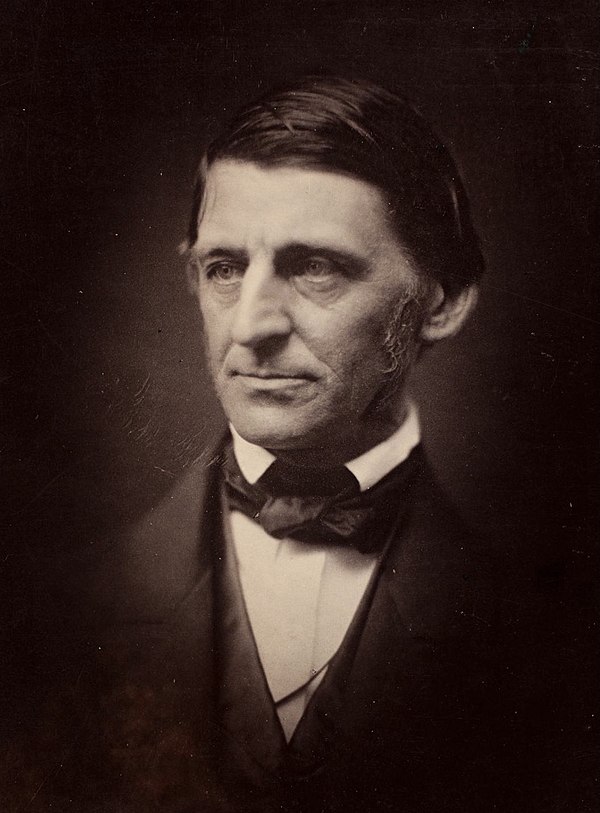
Ralph Waldo Emerson's assertion that "Every faculty which is a receiver of pleasure has an equal penalty put on its abuse" invites us to reflect on the intricate relationship between pleasure and consequence. In essence, Emerson suggests that the very faculties that allow us to experience joy and satisfaction are equally susceptible to the dangers of excess and misuse. This balance between enjoyment and restraint is not merely a philosophical musing; it is a vital consideration for living a life of integrity and fulfillment.
In a world that often glorifies indulgence, Emerson's words serve as a poignant reminder of the inherent costs associated with pleasure. The idea that pleasure, when abused, carries a penalty, compels us to examine our own lives and the choices we make. It challenges us to cultivate a deeper understanding of moderation and the wisdom that comes from recognizing the dual nature of our desires. This contemplation is not only relevant to our personal experiences but also resonates with broader societal patterns, urging us to seek a harmonious existence.
The image / the metaphor
Emerson's quote evokes a vivid image of a delicate balance, akin to a scale where pleasure and its penalties are weighed against one another. The term "receiver of pleasure" suggests an active engagement with life’s joys, while "equal penalty" introduces a sense of gravity and consequence. The verbs chosen—"receiver" and "abuse"—imply a dynamic interplay between acceptance and transgression, highlighting the potential for both elevation and downfall inherent in our pursuits of happiness.
Diving deeper into the metaphor, we can envision pleasure as a river flowing through our lives, nourishing us with its bounty. However, if we allow ourselves to be swept away by its currents, we risk losing our footing and control. The imagery of a river also suggests that pleasure is not inherently negative; rather, it is our relationship with it that determines its impact. When we navigate this river with awareness and intention, we can harness its energy without succumbing to its potential dangers.
In the speaker's tradition
Emerson's insights are deeply rooted in the transcendentalist tradition, which emphasizes the interconnectedness of all beings and the importance of individual intuition. This philosophy resonates with concepts such as dharma, which speaks to the moral order of the universe, and kenosis, the idea of self-emptying for the sake of greater understanding. By recognizing the dual nature of pleasure and its penalties, we align ourselves with the transcendentalist belief in the necessity of balance and the pursuit of a higher truth.
In his essay "Compensation," Emerson elaborates on the principle that every action has an equal and opposite reaction, a notion that parallels the laws of nature. This text serves as a foundational reference for understanding the consequences of our choices, reinforcing the idea that our experiences of joy are often accompanied by challenges that demand our attention and reflection. Emerson's work encourages us to embrace the complexities of life, recognizing that pleasure and pain are inextricably linked.
Living the teaching
Consider a modern scenario where this teaching finds relevance: the pursuit of success in one's career. Many individuals chase promotions and accolades, reveling in the pleasure that comes from recognition and achievement. However, when this pursuit becomes obsessive, it can lead to burnout, strained relationships, and a disconnection from one’s true self. Emerson’s insight reminds us that while ambition can be a source of joy, it must be tempered with self-awareness and balance to avoid the penalties of overindulgence.
In the realm of personal relationships, this teaching can manifest in the dynamics of love and attachment. When we experience the pleasure of connection, it can be easy to become overly dependent on our partners for happiness. This dependency can lead to feelings of resentment or disappointment when expectations are not met. By recognizing the equal penalties that accompany our attachments, we can cultivate healthier relationships grounded in mutual respect and understanding, allowing both partners to thrive without losing their individuality.
A reflection
As we contemplate Emerson's profound statement, we are invited to ask ourselves: How do I navigate the pleasures in my life, and what penalties have I encountered as a result of my choices? This question encourages a deep introspection that can illuminate the areas where we may need to seek balance. By reflecting on our experiences, we can cultivate a more mindful approach to pleasure, ensuring that we honor both the joys and the responsibilities that come with it.