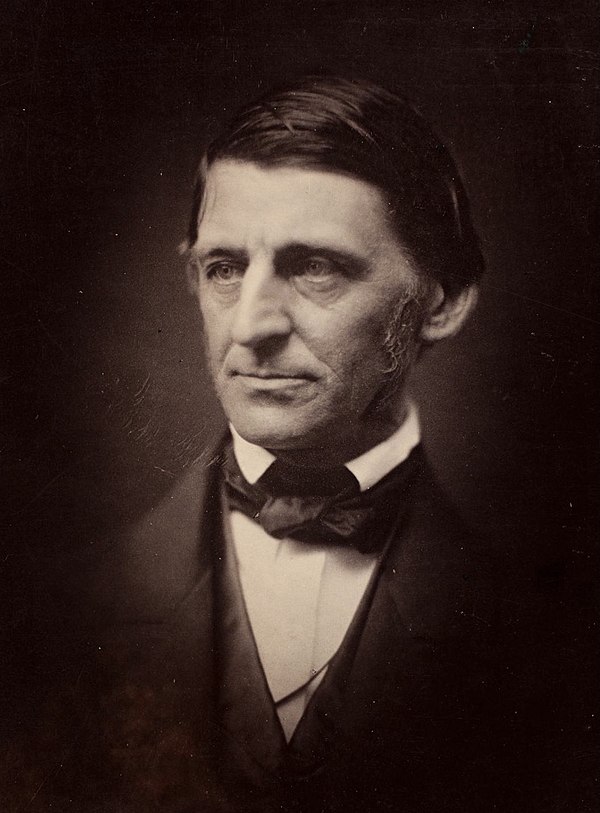
Ralph Waldo Emerson's assertion that "cities give not the human senses room enough" invites us to reflect on the limitations imposed by urban environments on our sensory experiences. In a world increasingly dominated by concrete and steel, this statement resonates deeply, urging us to consider how our surroundings shape our perceptions and inner lives. The stakes are high: as we navigate bustling streets and crowded spaces, we risk losing touch with the natural world and, consequently, with ourselves.
Emerson's words challenge us to examine the relationship between our physical environments and our spiritual well-being. The sensory overload of city life can drown out the subtler, more profound experiences that nature offers. By recognizing the constraints of urban living, we are prompted to seek balance and cultivate spaces—both external and internal—that nurture our senses and spirit. This exploration is not merely an aesthetic concern; it is a vital inquiry into how we can live more fully and authentically in a world that often feels overwhelming.
The image / the metaphor
At first glance, Emerson's quote evokes a vivid image of the city as a constricting space, one that stifles the senses rather than liberates them. The choice of words like "give" and "room" suggests a transactional relationship between the environment and the individual. Cities, with their cacophony of sounds, bright lights, and frenetic pace, can overwhelm our ability to perceive the subtleties of life. In this context, "human senses" refers not only to our physical faculties but also to our capacity for deeper awareness and connection.
Diving deeper into the metaphor, we can interpret "room" as a representation of both physical space and mental clarity. The city, in its relentless pursuit of progress and productivity, often leaves little room for contemplation, reflection, or genuine connection with oneself and others. Emerson's critique serves as a reminder that true richness in life comes from the ability to engage with our surroundings in a meaningful way, to savor the beauty of a sunset or the rustle of leaves, experiences that are often lost amid the urban din.
In the speaker's tradition
Emerson's perspective is deeply rooted in the transcendentalist tradition, which emphasizes the inherent goodness of nature and the importance of individual intuition. This philosophy aligns with concepts such as dharma, the path of righteousness, and kenosis, the act of self-emptying to make space for deeper understanding. In this light, Emerson's assertion can be seen as a call to reconnect with the natural world, to cultivate a sense of spaciousness that allows for spiritual growth and self-discovery.
In his seminal work, "Nature," Emerson articulates the idea that nature is a source of inspiration and wisdom, a theme that resonates throughout transcendentalist literature. He encourages readers to seek solace in the natural world, suggesting that it is through this connection that we can truly understand ourselves and our place in the universe. By contrasting the constricting nature of urban life with the expansive possibilities offered by nature, Emerson invites us to explore the depths of our own consciousness.
Living the teaching
Consider a modern scenario where the teaching of Emerson's quote becomes particularly relevant: a busy professional navigating the demands of city life. Each day is filled with meetings, deadlines, and the constant buzz of technology, leaving little room for introspection or connection with the natural world. In this context, the individual may find themselves feeling drained, disconnected, and overwhelmed, illustrating the very limitations Emerson warns against. Recognizing this, they might choose to carve out time for a weekly retreat to a nearby park or nature reserve, allowing themselves the space to breathe, reflect, and reconnect with their senses.
Another application of this teaching can be found in interpersonal relationships. Imagine a couple living in a bustling city, their lives filled with social obligations and distractions. In the midst of this chaos, they may struggle to find meaningful connection with one another. By intentionally creating "room" in their relationship—perhaps through regular date nights in nature or quiet evenings at home without screens—they can cultivate a deeper bond. This practice not only enhances their relationship but also aligns with Emerson's call to seek out spaces that nourish the spirit and senses.
A reflection
As we contemplate Emerson's poignant observation, we are invited to consider how our own environments impact our sensory experiences and spiritual lives. Are there areas in your life where you feel constricted or overwhelmed? What steps can you take to create more space—both physically and mentally—for deeper awareness and connection? Reflecting on these questions can lead to profound insights and a renewed commitment to living more fully in harmony with both ourselves and the world around us.


