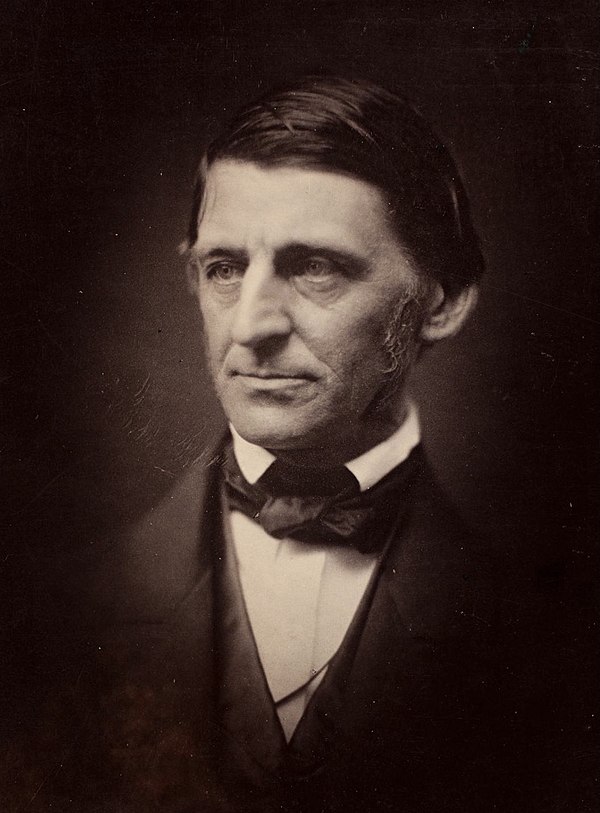
Ralph Waldo Emerson's assertion that "Beauty is the form under which the intellect prefers to study the world" invites us to consider the profound relationship between our perception of beauty and our understanding of reality. In this statement, Emerson suggests that beauty is not merely an aesthetic experience but a lens through which we can engage with the complexities of existence. This perspective holds significant implications for how we approach knowledge, learning, and the very nature of our interactions with the world around us.
Emerson's insight challenges us to reflect on the ways in which beauty influences our intellectual pursuits. It raises questions about the nature of knowledge itself: Is it purely a rational endeavor, or is it deeply intertwined with our emotional and sensory experiences? By framing beauty as a guiding principle for intellectual inquiry, Emerson encourages us to embrace a holistic approach to understanding, one that honors both the mind and the heart in our quest for truth.
The image / the metaphor
At its core, Emerson's quote evokes a vivid image of beauty as a transformative force. The phrase "the form under which" suggests that beauty shapes the very structure of our intellectual engagement, acting as a vessel through which we explore and comprehend the world. This imagery implies a dynamic interplay between the observer and the observed, where beauty serves as a bridge that connects our inner thoughts with the external reality.
Diving deeper into the metaphor, we can see that beauty is not a static quality but a fluid concept that evolves with our understanding. It embodies the idea that our perceptions of beauty can illuminate hidden truths and reveal deeper layers of meaning in our experiences. In this sense, beauty becomes a catalyst for intellectual exploration, prompting us to question, analyze, and ultimately appreciate the richness of life in all its forms.
In the speaker's tradition
Emerson's thoughts on beauty and intellect are deeply rooted in the transcendentalist tradition, which emphasizes the inherent goodness of both people and nature. This philosophy aligns with concepts such as dharma, the moral order of the universe, and prajna, the wisdom that arises from direct experience. In transcendentalism, beauty is not merely an external attribute but a reflection of the divine presence within all things, suggesting that our intellectual pursuits should be guided by an appreciation for this interconnectedness.
In his essay "Nature," Emerson articulates the idea that nature itself is a manifestation of beauty, serving as a source of inspiration and insight for the human spirit. He writes, "In the presence of nature, a wild delight runs through the man, in spite of real sorrows." This connection between beauty and intellectual awakening underscores the transcendentalist belief that engaging with the natural world can lead to profound insights about ourselves and our place within the cosmos.
Living the teaching
Consider a modern scenario where a student grapples with a challenging subject in school. Instead of viewing the material as a mere obstacle to overcome, the student might approach it with a sense of curiosity and wonder, seeking the beauty in the concepts being studied. By reframing their perspective, they can transform their learning experience into an exploration of the intricate patterns and connections that exist within the subject matter, ultimately leading to a deeper understanding and appreciation of the knowledge they are acquiring.
In the context of relationships, Emerson's teaching can manifest in the way we perceive and engage with others. Imagine a moment of conflict with a loved one, where emotions run high and misunderstandings abound. By consciously choosing to see the beauty in the other person’s perspective, we can foster empathy and compassion, allowing for a more profound connection. This practice of seeking beauty in our interactions not only enriches our relationships but also cultivates a deeper understanding of the human experience.
A reflection
As we contemplate Emerson's assertion, we are invited to consider how beauty shapes our own intellectual journeys. In what ways can we allow beauty to inform our understanding of the world around us? Reflecting on this question may lead us to discover new dimensions of knowledge and insight, encouraging us to embrace a more holistic approach to learning and living.