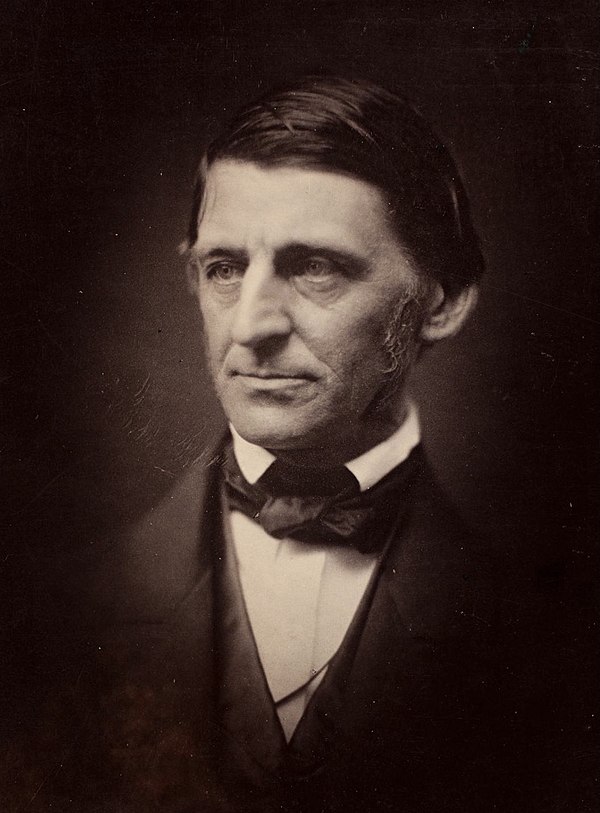
Ralph Waldo Emerson's assertion that "All things must be tried — only one experience is final" invites us to reflect on the nature of our encounters with life. In essence, he suggests that every experience we undergo serves as a vital trial, shaping our understanding and wisdom. The weight of this statement lies in its recognition that while we may seek definitive answers or conclusions, it is through the process of trial and exploration that we truly come to know ourselves and the world around us.
This perspective is particularly poignant in a culture that often prioritizes certainty and finality. Emerson's words remind us that the journey of experience is ongoing, and that each trial contributes to our evolving understanding. The notion of finality, in this context, becomes a paradox; while one experience may stand out as definitive, it is the cumulative effect of all our trials that ultimately shapes our reality. This understanding encourages a deeper engagement with life, inviting us to embrace uncertainty as a fertile ground for growth.
The image / the metaphor
The imagery in Emerson's quote evokes a sense of a vast landscape of experiences waiting to be traversed. The verb "tried" suggests an active engagement, a willingness to test and explore the boundaries of our understanding. It conjures the image of a seeker, stepping into the unknown, ready to face challenges and uncertainties. The phrase "only one experience is final" introduces a sense of resolution, yet it simultaneously acknowledges the fluidity of our perceptions and the transient nature of understanding.
In the speaker's tradition
Emerson's thoughts resonate deeply within the tradition of transcendentalism, which emphasizes the inherent goodness of people and nature, as well as the importance of individual intuition and experience. This philosophy aligns with concepts such as dharma, which speaks to the path of righteousness and duty, and prajna, the wisdom that arises from direct experience. In this light, Emerson's call to embrace trials reflects a transcendental belief in the transformative power of personal experience as a means of understanding one's place in the universe.
Moreover, Emerson's essay "Experience" serves as a rich text that explores the complexities of human existence. He writes about the necessity of confronting life's challenges and the insights that emerge from such encounters. This aligns with the Buddhist concept of sunyata, or emptiness, which teaches that our experiences are not fixed but rather fluid and ever-changing. In both traditions, there is a recognition that true understanding arises not from static knowledge but from the dynamic interplay of experiences.
Living the teaching
Consider a modern scenario where this teaching might resonate: a young professional navigating the uncertainties of a new job. Each task, each interaction with colleagues, becomes a trial that tests their skills and adaptability. In this context, the individual learns not only about the job itself but also about their own capabilities and resilience. The challenges faced become opportunities for growth, reinforcing Emerson's assertion that every experience is a vital part of the journey, shaping their professional identity.
In a different application, think about a relationship undergoing a difficult phase. Each argument or misunderstanding can feel like a trial, testing the bond between partners. However, through these trials, they may discover deeper layers of understanding and empathy for one another. The finality of a single experience—such as a moment of reconciliation—does not negate the importance of all the trials that led to that moment. Instead, it highlights the richness of their shared journey, where each experience contributes to a more profound connection.
A reflection
As we contemplate Emerson's words, we are invited to consider the trials we face in our own lives. What experiences have shaped your understanding of yourself and the world? In what ways can you embrace the uncertainty of trials as opportunities for growth? Reflecting on these questions can deepen our engagement with life, encouraging us to approach each experience with openness and curiosity.