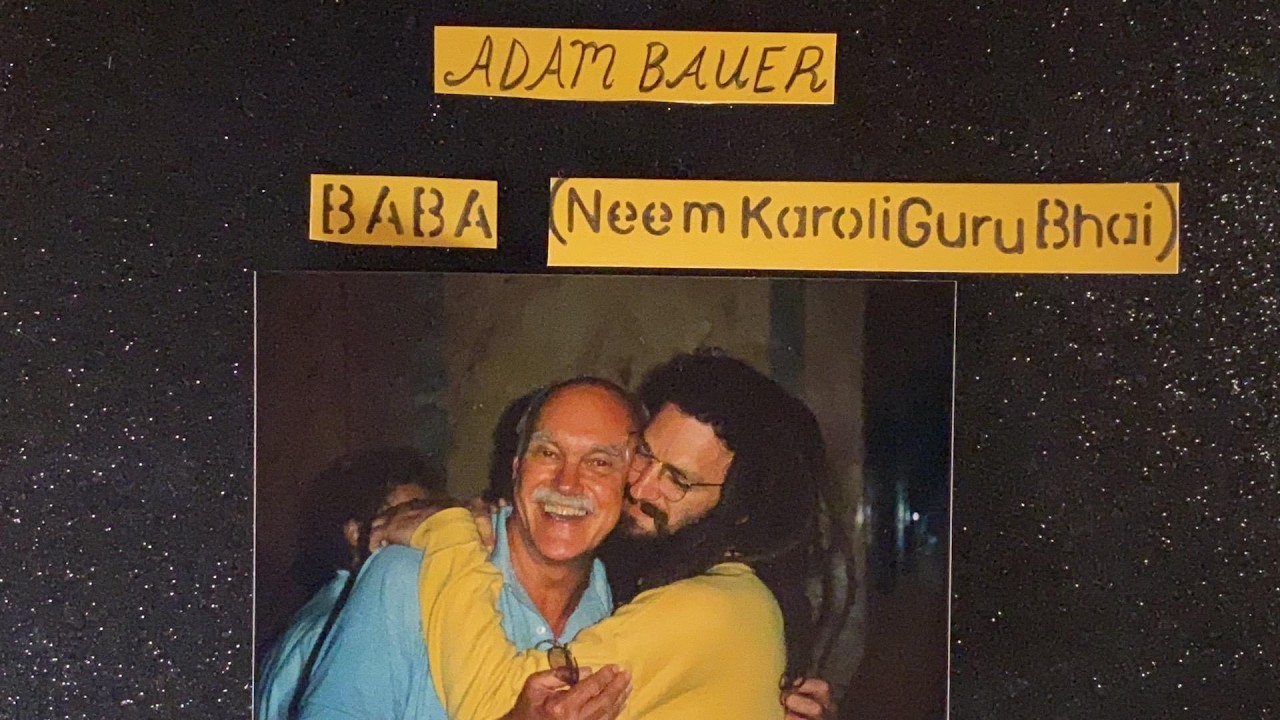
“Steal Maharaj-ji's heart. He doesn't mind.” This profound invitation from Neem Karoli Baba beckons us to engage in a deeply intimate relationship with the divine. It suggests that the act of devotion is not merely about reverence or worship; rather, it is an invitation to forge a connection that transcends the ordinary. In a world often characterized by distance and detachment, this call to intimacy with the divine heart is both radical and transformative. It challenges us to consider what it means to truly love and be loved in return.
At its core, this quote encapsulates the essence of bhakti, the path of devotion that emphasizes personal connection over ritualistic adherence. It invites us to approach the divine with a sense of playfulness and abandon, suggesting that our longing for connection can be met with open arms. The heart of Maharaj-ji, a term of endearment for Neem Karoli Baba, symbolizes not just a divine presence but also a space where our vulnerabilities can be laid bare. This teaching resonates deeply in our contemporary lives, where the search for authentic connection often feels elusive.
The image / the metaphor
The imagery of “stealing” Maharaj-ji's heart evokes a sense of playful audacity. It suggests an act of boldness, a willingness to take what is freely offered without fear of repercussion. The verb “steal” implies an intimacy that goes beyond mere admiration; it speaks to a deep yearning to possess and be possessed by love. In this context, the heart represents not just affection but the very essence of being—an invitation to enter into a sacred relationship that is both personal and profound.
Diving deeper into the metaphor, we can see that this act of “stealing” is not about theft in the conventional sense. Instead, it reflects a spiritual truth: that the divine heart is always available to us, waiting to be embraced. In bhakti, the relationship between the devotee and the divine is characterized by a sense of mutual belonging. To “steal” Maharaj-ji's heart is to acknowledge that love is a two-way street, where both the seeker and the sought are transformed in the process of connection.
In the speaker's tradition
Neem Karoli Baba's teachings are deeply rooted in the tradition of bhakti, which emphasizes love and devotion as the primary means of spiritual realization. This path encourages practitioners to cultivate a personal relationship with the divine, often through the practice of surrender and devotion. Concepts such as dharma, or righteous duty, and kenosis, the act of self-emptying, resonate within this framework, inviting us to let go of our ego and open ourselves to divine love. The idea of “fana,” or annihilation of the self in the beloved, further illustrates the depth of intimacy that bhakti seeks to cultivate.
A relevant text that echoes this sentiment is the “Bhagavad Gita,” where Krishna invites Arjuna to surrender fully to him, promising that such devotion will lead to liberation. This call to surrender is not a relinquishing of self but rather an invitation to engage in a deeper relationship with the divine. In this light, Maharaj-ji's heart becomes a sanctuary where the devotee can find solace, love, and ultimately, union with the divine essence.
Living the teaching
Consider a modern scenario where this teaching might resonate: a person grappling with feelings of isolation in a bustling city. In this context, the invitation to “steal Maharaj-ji's heart” becomes a call to seek connection not only with the divine but also with the community around them. By opening their heart to love and vulnerability, they may find that the very act of reaching out to others can lead to profound connections, echoing the intimacy that Maharaj-ji embodies.
In a different application, imagine a relationship strained by misunderstandings and distance. The teaching encourages individuals to approach their loved ones with the same playful audacity—inviting them to share their hearts openly. By embodying the spirit of devotion, one can create a space where love flourishes, transforming conflict into understanding. This practice of heart-stealing becomes a daily ritual, a reminder that intimacy is cultivated through vulnerability and openness.
A reflection
As we contemplate the invitation to “steal Maharaj-ji's heart,” we are prompted to ask ourselves: What does it mean to truly open our hearts in a world that often encourages self-protection? In seeking to embrace the divine with audacity and love, how can we also extend that same openness to those around us? This question invites us to explore the depths of our relationships, both with the divine and with each other, challenging us to cultivate a life rich in intimacy and devotion.