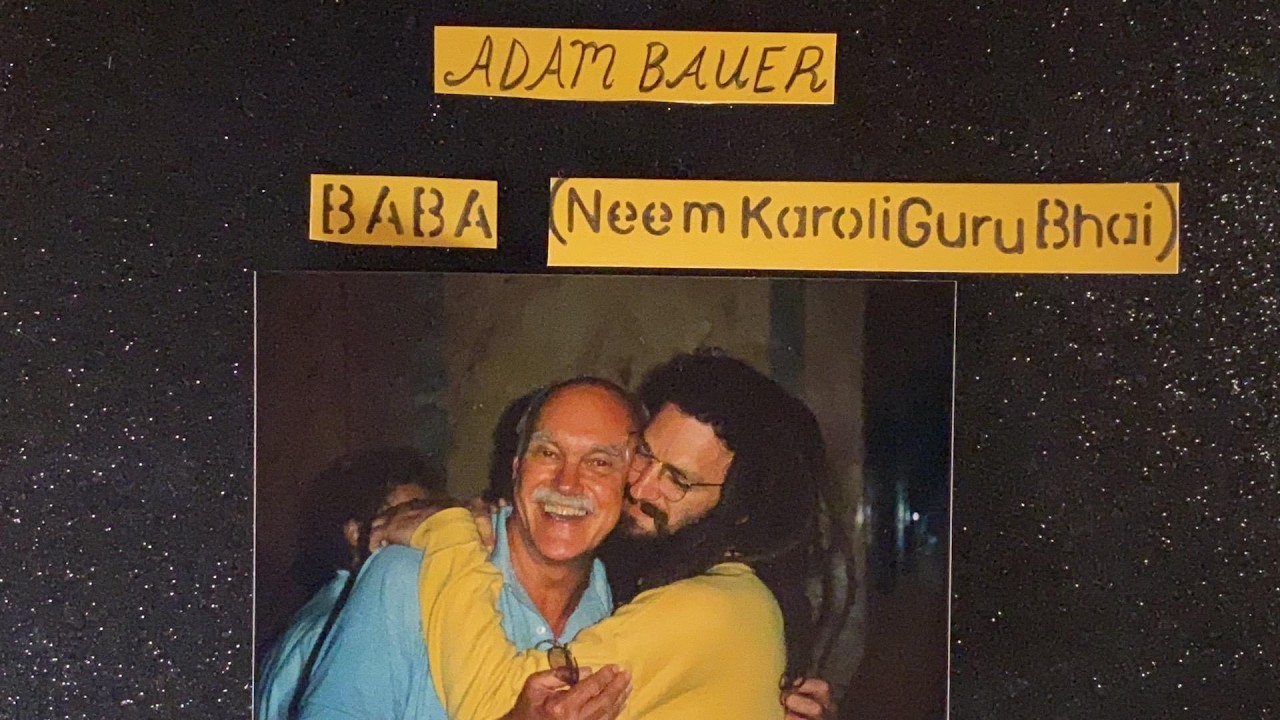
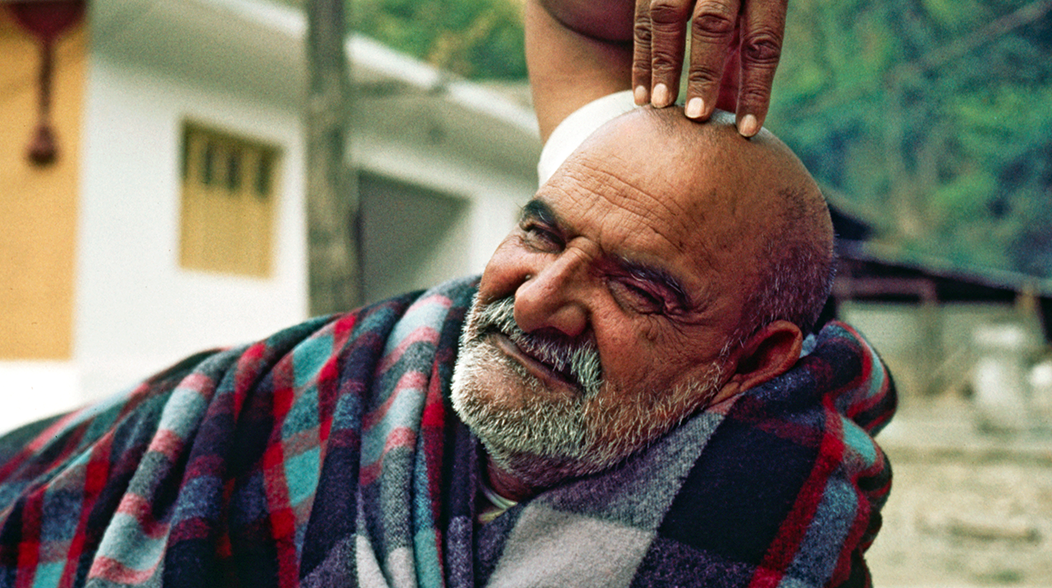
Neem Karoli Baba's profound assertion, "All is one in the heart of God," invites us to explore the intricate tapestry of existence, where every thread is woven together in divine unity. This statement resonates deeply within the bhakti tradition, emphasizing the interconnectedness of all beings through the love and presence of the divine. In a world often marked by division and separation, this teaching serves as a reminder of our shared essence and the sacred bond that unites us all.
At its core, this quote challenges us to transcend the illusion of separateness that pervades our daily lives. It beckons us to recognize that beneath the surface differences—cultural, ideological, or personal—lies a profound unity that is rooted in the heart of God. This understanding not only nurtures compassion and empathy but also invites us to engage with the world from a place of love and interconnectedness, fostering a sense of belonging that is both healing and transformative.
The image / the metaphor
The imagery in Neem Karoli Baba's quote evokes a sense of intimacy and warmth, suggesting that the heart of God is not a distant or abstract concept but a living, breathing reality that encompasses all of creation. The phrase "all is one" speaks to the fundamental truth of existence, where individual identities dissolve into a greater whole. The heart, often associated with love and compassion, serves as the epicenter of this unity, reminding us that our true nature is rooted in love.
Diving deeper into the metaphor, we can see that the heart symbolizes not only emotional depth but also spiritual awakening. In many spiritual traditions, the heart is viewed as the seat of wisdom and understanding, a place where the divine and human experience converge. By recognizing that we are all one in this sacred space, we are invited to cultivate a sense of belonging that transcends the ego, allowing us to experience the divine presence in ourselves and others.
In the speaker's tradition
Neem Karoli Baba's teachings are deeply embedded in the bhakti tradition, which emphasizes devotion and love for the divine as the path to spiritual realization. Concepts such as dharma, or righteous duty, and bhakti, the devotional love for God, are central to this tradition. The idea of unity in the heart of God aligns with the notion of kenosis, or self-emptying, where the individual surrenders the ego to experience the fullness of divine love. This surrender is not a loss but a profound gain, as it opens the heart to the realization of our interconnectedness.
A relevant text that echoes this sentiment is the Bhagavad Gita, where Lord Krishna speaks of the oneness of all beings in the divine. In Chapter 18, Verse 20, Krishna states, "He who sees inaction in action, and action in inaction, is intelligent among men." This teaching reinforces the idea that true wisdom lies in recognizing the unity that underlies the apparent diversity of life, inviting us to act from a place of love and awareness rather than separation.
Living the teaching
Consider a modern scenario where this teaching can be applied: a workplace filled with diverse personalities and opinions. In such an environment, it is easy to fall into the trap of division, viewing colleagues as competitors rather than collaborators. By embracing the understanding that "all is one in the heart of God," one can approach interactions with compassion and openness, recognizing that each person brings unique gifts to the collective whole. This perspective fosters a sense of teamwork and harmony, transforming the workplace into a space of mutual support and shared purpose.
Another application of this teaching can be found in personal relationships, especially during moments of conflict. When disagreements arise, it is common to focus on differences rather than commonalities. By remembering that we are all part of the same divine fabric, we can approach these situations with empathy and understanding. This shift in perspective allows us to navigate conflicts with grace, seeking resolution rather than division, and ultimately deepening our connections with one another.
A reflection
As we contemplate the profound truth of Neem Karoli Baba's words, we are invited to reflect on our own lives and relationships. How can we cultivate a deeper awareness of the unity that exists within the heart of God? In what ways can we practice seeing beyond the surface differences that often divide us, allowing love and compassion to guide our interactions? This contemplation not only enriches our spiritual journey but also serves as a powerful reminder of our shared humanity.