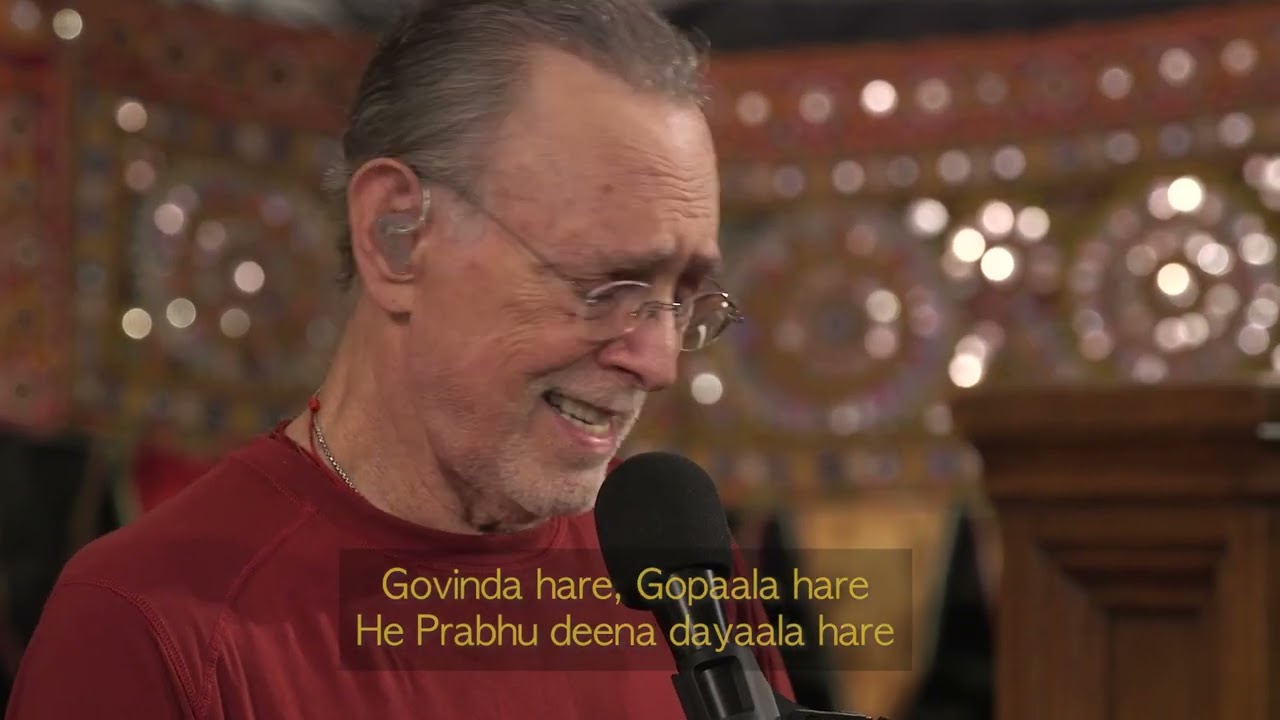
In the words of Krishna Das, "To chant Maharaj-ji's name is to invoke his presence." This statement encapsulates a profound spiritual truth: the act of calling upon a name can bridge the gap between the seeker and the divine. The stakes of this practice are high; it invites us into a deeper relationship with the sacred, allowing us to experience a sense of connection that transcends the ordinary. In a world often marked by disconnection and distraction, the invocation of a name becomes a powerful tool for grounding ourselves in the present moment.
Moreover, this quote speaks to the essence of bhakti, the devotional path that emphasizes love and surrender to a personal deity. By chanting Maharaj-ji's name, practitioners are not merely reciting words; they are engaging in a transformative act that opens the heart and mind to the divine presence. This invocation is an invitation to experience the fullness of existence, to feel the divine energy that permeates all aspects of life. It is a reminder that presence is not a distant concept but an accessible reality, waiting to be embraced through our sincere efforts.
The image / the metaphor
At its core, the quote presents a vivid image of invocation as an act of calling forth. The verb "chant" suggests a rhythmic, melodic quality, evoking the idea of sound as a medium for connection. When we chant Maharaj-ji's name, we are not merely vocalizing syllables; we are creating a resonance that aligns our inner state with the divine. This act of calling forth is akin to opening a door, allowing the presence of Maharaj-ji to enter our lives and fill the spaces of our hearts with love and light.
Diving deeper into the metaphor, we can see that names hold power in many spiritual traditions. In bhakti, the name of the beloved is a direct link to the beloved itself. By invoking Maharaj-ji's name, we are not just acknowledging his existence; we are inviting his essence into our reality. This act of invocation transforms the mundane into the sacred, reminding us that the divine is always present, waiting for our recognition and acceptance. The name becomes a vessel through which we can experience the fullness of divine love and presence.
In the speaker's tradition
Krishna Das, rooted in the bhakti tradition, draws upon concepts such as devotion (bhakti), surrender (prapatti), and the realization of the divine within the self. The act of chanting Maharaj-ji's name embodies the essence of bhakti, where the devotee surrenders their ego and opens their heart to the divine presence. This practice aligns with the concept of kenosis, or self-emptying, where one lets go of the self to make space for the divine to fill. In this way, chanting becomes a pathway to experiencing the unity of all existence, echoing the teachings of many spiritual traditions.
In the Bhagavad Gita, Lord Krishna speaks of the importance of devotion and remembrance, stating that those who remember him with love will find him in their hearts. This sentiment resonates deeply with Krishna Das's quote, as it emphasizes the transformative power of invoking the divine name. The Gita teaches that through devotion, one can transcend the limitations of the ego and experience the eternal presence of the divine, reinforcing the idea that chanting is not merely a ritual but a profound spiritual practice.
Living the teaching
Consider a modern scenario where the teaching of invoking presence through chanting can be applied. Imagine a busy professional, overwhelmed by the demands of work and life. In moments of stress, they might find solace in chanting Maharaj-ji's name, creating a sacred pause amidst the chaos. This simple act can serve as a reminder of their connection to something greater, allowing them to ground themselves in the present moment and cultivate a sense of peace. The invocation of the name becomes a lifeline, a way to reconnect with the divine presence that resides within and around them.
In a different context, think about a challenging relationship where misunderstandings and conflicts arise. By consciously invoking Maharaj-ji's name during moments of tension, individuals can shift their perspective and approach the situation with love and compassion. This practice encourages them to see the divine in the other person, fostering empathy and understanding. In this way, the act of chanting becomes a transformative tool, allowing individuals to navigate difficult moments with grace and a sense of connectedness to the divine presence.
A reflection
As we contemplate the quote, "To chant Maharaj-ji's name is to invoke his presence," we are invited to reflect on our own relationship with the divine. How often do we take the time to invoke presence in our daily lives? In what ways can we deepen our connection to the sacred through the simple act of calling upon a name? These questions encourage us to explore the transformative power of invocation and to recognize the divine presence that is always available to us, waiting to be embraced.