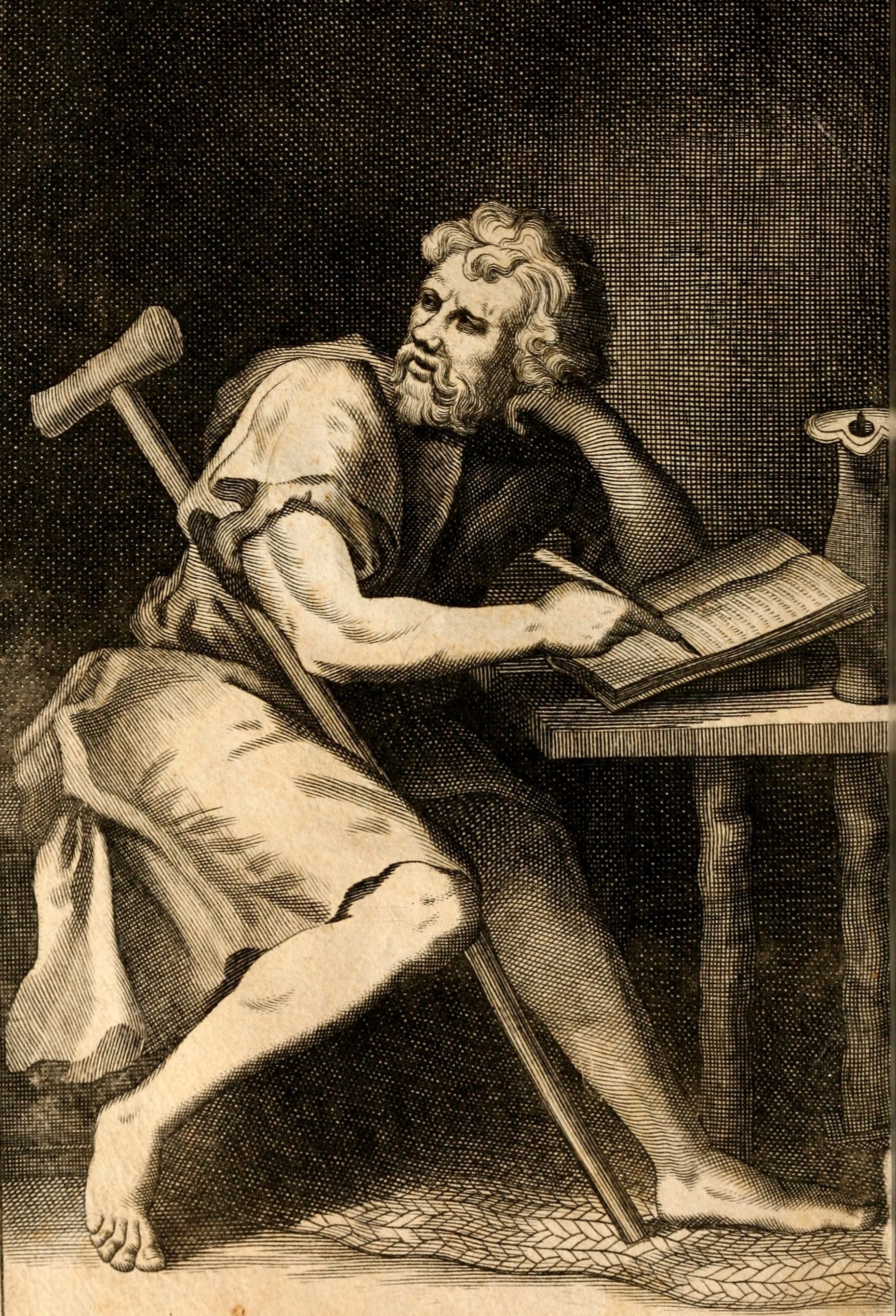
The Unfettered Choice: A Stoic Reflection on Freedom
In the words of Epictetus, "You may fetter my leg, but Zeus himself cannot get the better of my choice." This powerful assertion encapsulates the essence of human freedom and the inviolable nature of personal agency. It speaks to the profound truth that while external circumstances may constrain us, our internal choices remain sovereign. This distinction between external limitations and internal freedom is crucial, especially in a world where we often feel powerless against the forces that shape our lives.
Epictetus, a Stoic philosopher, invites us to reflect on the nature of our choices and the autonomy we possess over our responses to life's challenges. The quote serves as a reminder that true freedom resides not in the absence of constraints but in our ability to choose how we respond to them. This internal locus of control is a cornerstone of Stoic thought, urging us to cultivate resilience and clarity in the face of adversity. Understanding this dynamic can empower us to navigate life's complexities with grace and intention.
The image / the metaphor
The imagery in Epictetus's quote is striking, evoking a vivid picture of physical restraint juxtaposed with the indomitable spirit of human choice. The reference to being fettered—bound or restrained—suggests a tangible limitation, perhaps even a sense of helplessness. Yet, the mention of Zeus, the king of the gods in Greek mythology, elevates the discussion to a cosmic level, implying that even the most powerful forces cannot dictate the essence of our will. This interplay between physical bondage and the freedom of choice creates a profound tension that invites deeper contemplation.
Delving further into the metaphor, we recognize that the fetters represent the myriad external circumstances that can confine us—be they societal expectations, personal hardships, or even the weight of our own fears. However, the assertion that not even Zeus can overpower our choice reveals a radical assertion of autonomy. It suggests that our true power lies in our ability to choose our responses, regardless of the constraints we face. This metaphor serves as a clarion call to reclaim our agency and recognize that our inner landscape remains untouched by external forces.
In the speaker's tradition
Epictetus's teachings are deeply rooted in the Stoic tradition, which emphasizes the importance of virtue, wisdom, and the cultivation of an inner life that remains unaffected by external circumstances. Central to Stoicism is the concept of *apatheia*, or the state of being unperturbed by external events, which aligns closely with the idea of maintaining one's choice in the face of adversity. This notion resonates with similar concepts found in other spiritual traditions, such as *dharma* in Buddhism, which emphasizes the importance of right action and inner peace amidst the chaos of life.
In his *Discourses*, Epictetus often draws upon the idea of the dichotomy of control, which teaches that we should focus on what is within our power—our thoughts, intentions, and choices—while accepting what lies beyond our control. This is echoed in the teachings of the Buddha, who spoke of *sunyata*, or emptiness, suggesting that our attachments to external conditions can lead to suffering. By understanding the limits of our control, we can cultivate a deeper sense of freedom, much like Epictetus's assertion that our choices remain unassailable, even in the face of overwhelming odds.
Living the teaching
Consider a modern scenario where this teaching resonates deeply: an individual facing job loss due to unforeseen circumstances. The external situation may feel overwhelming, and the individual may grapple with feelings of inadequacy and fear. However, by embracing Epictetus's wisdom, they can recognize that while they cannot control the job market or the decisions of others, they retain the power to choose their response. They might decide to view this setback as an opportunity for growth, exploring new career paths or investing time in personal development, thus reclaiming their agency amidst adversity.
Another application of this teaching can be found in interpersonal relationships. Imagine a situation where a friend has betrayed your trust. The pain of betrayal is real and can feel like a fetter binding you to resentment and anger. Yet, Epictetus's insight reminds us that while we cannot change the actions of others, we can choose how we respond. We might choose forgiveness, understanding that holding onto anger only serves to further imprison us. In this way, we reclaim our freedom, transforming a painful experience into an opportunity for personal growth and emotional liberation.
A reflection
As we contemplate Epictetus's profound assertion, we are invited to examine the nature of our own choices. In what areas of your life do you feel fettered by external circumstances? How might you reclaim your agency and recognize the power of your choices, even in the face of adversity? This reflection can serve as a guiding light, illuminating the path toward a more empowered and intentional life.


