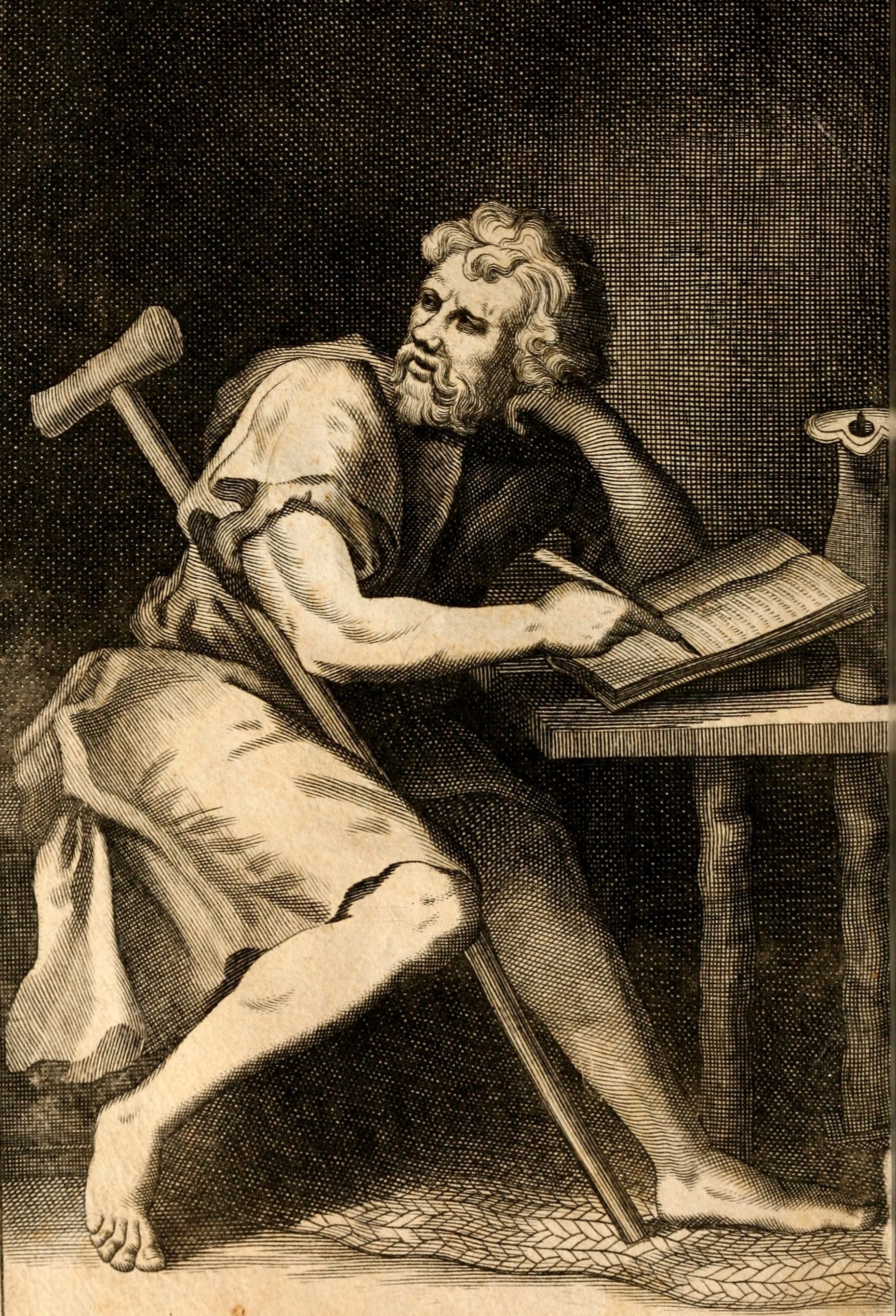
The Chains of Inaction: Epictetus on Freedom and Slavery
In his profound assertion, "Whoever does not act so is enslaved," Epictetus invites us to confront the nature of our freedom and the consequences of inaction. This statement serves as a stark reminder that true liberty is not merely the absence of physical constraints but is deeply intertwined with our capacity to act in accordance with our values and principles. The stakes are high: to remain passive is to surrender our autonomy, allowing external circumstances and internal fears to dictate our lives. In a world rife with distractions and uncertainties, this teaching beckons us to reclaim our agency.
Delving deeper into Epictetus's wisdom, we find that the essence of his message lies in the recognition that our thoughts and actions shape our reality. The Stoic philosopher emphasizes that freedom is not a given state but a continuous practice of aligning our actions with our inner convictions. In this light, the quote becomes a call to awaken from the slumber of complacency, urging us to engage actively with our lives. It challenges us to reflect on the choices we make daily and the ways in which we may unconsciously bind ourselves through inaction.
The image / the metaphor
At its core, Epictetus's quote employs powerful imagery that evokes the stark contrast between freedom and enslavement. The verb "act" suggests a dynamic engagement with life, a movement toward purpose and intention. In contrast, the term "enslaved" conjures images of confinement and loss of agency, highlighting the emotional weight of inaction. This juxtaposition creates a felt sense of urgency, as if Epictetus is imploring us to break free from the shackles of our own making and step into the fullness of our potential.
Moreover, the metaphor of slavery extends beyond the physical realm, inviting us to consider the psychological and emotional chains that bind us. Inaction can manifest as a form of self-imposed bondage, where fear, doubt, or societal expectations prevent us from pursuing our true desires. By framing inaction as enslavement, Epictetus challenges us to examine the internal narratives that hold us back and to recognize that the path to freedom lies in our willingness to act, even amidst uncertainty.
In the speaker's tradition
Epictetus's teachings are deeply rooted in the Stoic tradition, which emphasizes the importance of virtue, rationality, and personal responsibility. Central to Stoicism is the concept of living in accordance with nature, or aligning one's actions with the greater order of the universe. This resonates with the idea of dharma in Eastern philosophies, where fulfilling one's duty is seen as a pathway to liberation. Both traditions underscore the necessity of action as a means of realizing one's true self and contributing to the greater good.
In the context of Stoicism, Epictetus's assertion can be likened to the notion of "prohairesis," or moral choice, which highlights the significance of our decisions in shaping our character and destiny. The Stoic text "Meditations" by Marcus Aurelius echoes this sentiment, as he reflects on the importance of acting with intention and integrity. Both philosophers remind us that our freedom is contingent upon our ability to choose wisely and to act in alignment with our values, thus reinforcing the interconnectedness of action, freedom, and moral responsibility.
Living the teaching
Consider a modern scenario where this teaching resonates profoundly: the decision to pursue a career that aligns with one's passions versus succumbing to societal pressures for financial security. Many individuals find themselves at a crossroads, feeling the weight of expectations that compel them to choose stability over fulfillment. In this context, Epictetus's words serve as a clarion call to recognize that inaction—whether through fear of failure or the comfort of the familiar—can lead to a life unfulfilled, effectively enslaving one to external circumstances rather than internal aspirations.
Another application of this teaching can be found in interpersonal relationships, particularly during moments of conflict or misunderstanding. It is all too easy to remain silent, allowing grievances to fester rather than addressing them openly. Here, Epictetus's wisdom encourages us to act with courage and honesty, fostering deeper connections and mutual understanding. By choosing to engage rather than retreat, we not only liberate ourselves from the chains of resentment but also cultivate a space for growth and healing within our relationships.
A reflection
As we contemplate Epictetus's profound assertion, we are invited to reflect on our own lives: In what areas are we allowing inaction to bind us? What choices are we avoiding that could lead to greater freedom and fulfillment? This inquiry encourages us to examine the narratives we tell ourselves and to consider how we might reclaim our agency through intentional action. By embracing the challenge of acting in alignment with our values, we can begin to dismantle the chains of inaction and step into a life of authentic freedom.


