Finding Good and Evil Within: The Power of Choice
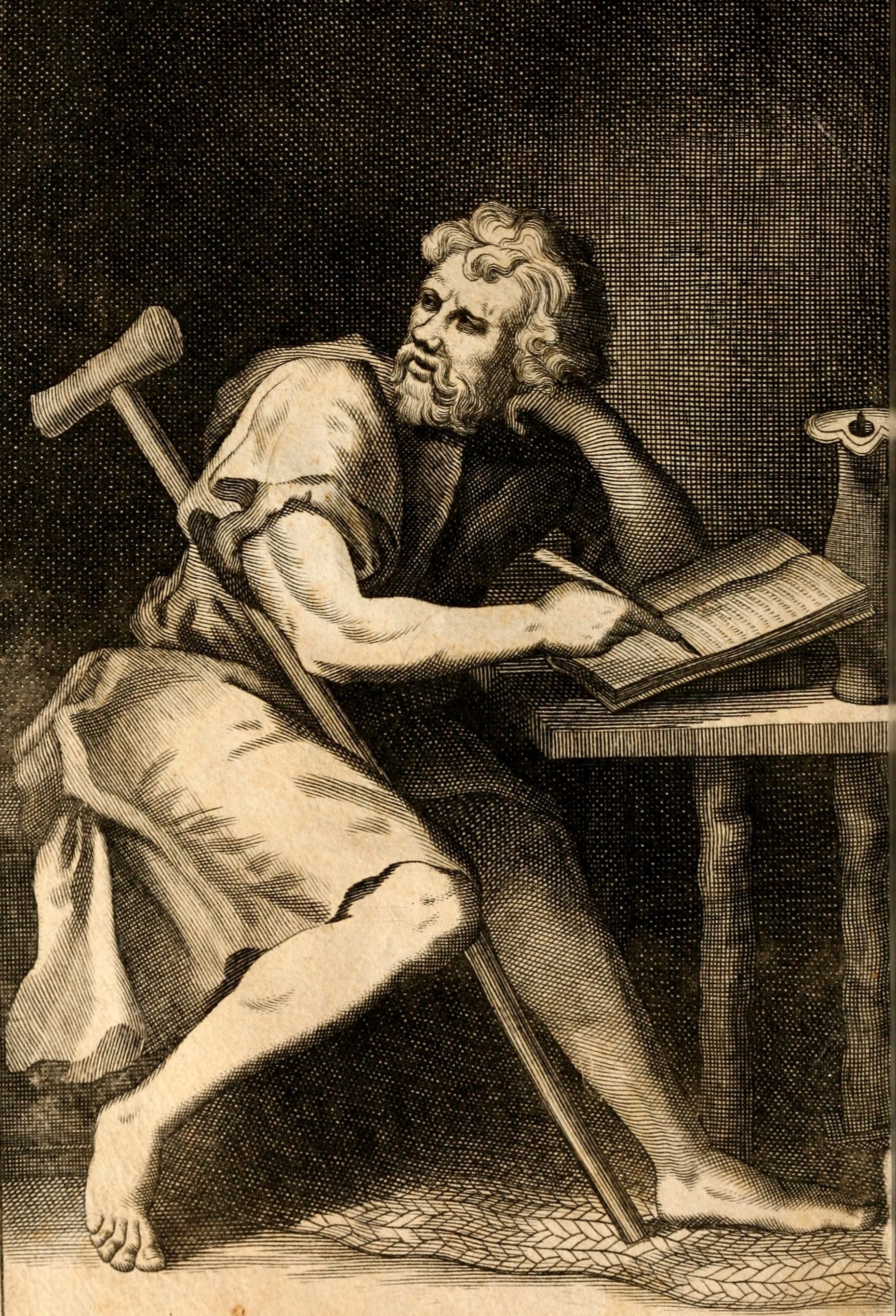
In the profound words of Epictetus, "Where then do I look for good and evil? Not to externals, but to my own choices." This statement invites us to turn our gaze inward, emphasizing that the essence of morality and virtue lies not in the external world but within our own decisions. The stakes are high: in a society that often measures worth through external validation, this teaching challenges us to reclaim our agency and responsibility. It beckons us to recognize that our choices shape our character and, ultimately, our experience of life.
Epictetus, a Stoic philosopher, urges us to cultivate an inner landscape where good and evil are discerned through the lens of our choices rather than the chaotic fluctuations of the outside world. This perspective is not merely philosophical; it is a call to action, a reminder that we possess the power to define our moral compass. By understanding that our choices are the true arbiters of our ethical existence, we can navigate life with greater clarity and purpose, fostering a sense of autonomy that is both liberating and grounding.
The image / the metaphor
At the heart of Epictetus's quote lies a vivid imagery that contrasts the external and internal realms. The phrase "look for good and evil" evokes a search, a quest for understanding that many undertake throughout their lives. However, Epictetus redirects this search inward, suggesting that the true locus of moral discernment is not found in the tumultuous world around us but rather in the choices we make. The verbs "look" and "choose" are laden with agency, inviting us to actively engage with our inner selves rather than passively absorbing external influences.
Diving deeper into the metaphor, we can see that Epictetus is not merely advocating for introspection; he is emphasizing the profound responsibility that comes with choice. Each decision we make is a brushstroke on the canvas of our character, shaping who we are and how we relate to the world. This internal focus fosters a sense of empowerment, as it places the onus of moral judgment squarely on our shoulders. In a world rife with distractions and external pressures, this teaching serves as a reminder that our true strength lies in our ability to choose wisely.
In the speaker's tradition
Epictetus's insights are deeply rooted in the Stoic tradition, which emphasizes the importance of virtue, wisdom, and self-control. Central to Stoicism is the idea that external events are beyond our control, while our responses to those events are entirely within our purview. This aligns with concepts found in other spiritual traditions, such as the Buddhist notion of *sunyata*, or emptiness, which teaches that our perceptions of good and evil are often clouded by attachment and aversion. Just as the Stoics advocate for a focus on internal choices, many Eastern philosophies encourage a similar introspection to discern the nature of reality.
In the *Discourses*, Epictetus elaborates on the significance of distinguishing between what is within our control and what is not. This echoes the teachings of the Bhagavad Gita, where the concept of *dharma* emphasizes the importance of righteous action based on one's own principles rather than external expectations. Both texts highlight the necessity of aligning our choices with our inner values, reinforcing the idea that true goodness arises from within, shaped by our conscious decisions rather than external circumstances.
Living the teaching
Consider a modern scenario where this teaching can be applied: imagine a workplace filled with competition and comparison. In such an environment, it is easy to feel overwhelmed by the external pressures to succeed, often leading to feelings of inadequacy or envy. However, by internalizing Epictetus's message, one can shift focus from external validation to personal growth. Instead of measuring success by others' standards, an individual can choose to define their own metrics of achievement, fostering a sense of fulfillment that is rooted in personal values and choices.
This teaching also finds resonance in interpersonal relationships. When faced with conflict, it is common to attribute blame to external circumstances or the actions of others. Yet, Epictetus invites us to reflect on our own choices in these moments. By recognizing that our responses—whether to forgive, to engage, or to withdraw—are within our control, we can cultivate healthier relationships. This shift in perspective empowers us to act with intention, fostering deeper connections based on mutual respect and understanding rather than reactive patterns shaped by external influences.
A reflection
As we contemplate Epictetus's profound assertion, we are invited to examine our own lives through the lens of choice. What choices are we currently making that reflect our true values, and which ones are influenced by external pressures? In a world that often seeks to define good and evil through external lenses, how can we cultivate a deeper understanding of our own moral compass? These questions serve as a guide for our introspective journey, encouraging us to embrace the power of choice as we navigate the complexities of life.