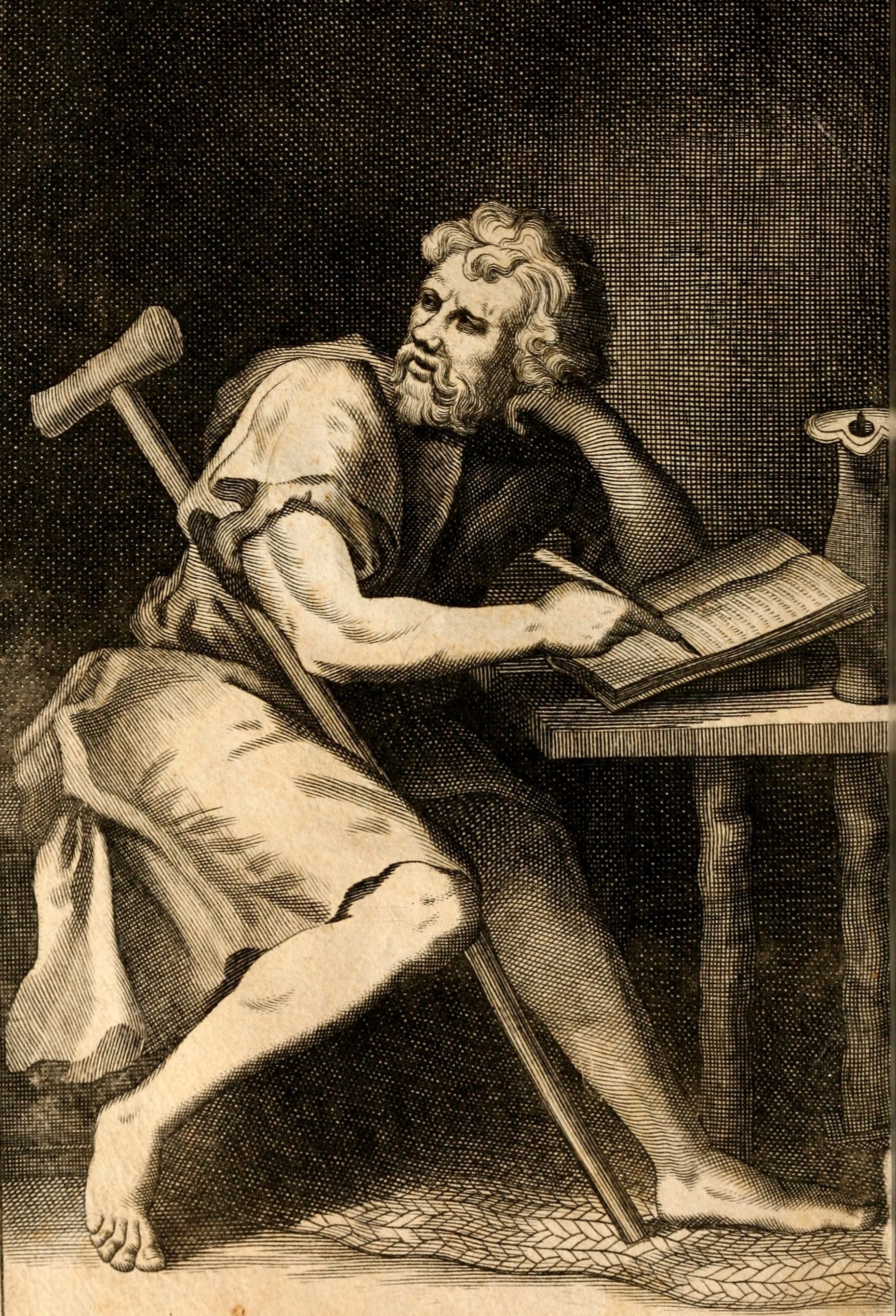
The Mastery of Worry: A Stoic Reflection
Epictetus, the Stoic philosopher, offers a profound insight when he states, "What worries you, masters you." This quote encapsulates the essence of human experience, revealing how our fears and anxieties can dominate our lives if left unchecked. In a world rife with uncertainty, understanding the relationship between our worries and our sense of autonomy becomes crucial. The stakes are high, as the mastery of our inner landscape directly influences our capacity for freedom and peace.
To delve deeper, we must recognize that worry is not merely an emotional response; it is a state of being that can ensnare us in a cycle of anxiety and despair. This quote invites us to examine the nature of our worries and the extent to which they govern our thoughts and actions. By acknowledging that our worries can become our masters, we are called to reclaim our agency and cultivate a mindset that prioritizes resilience and clarity over fear. This exploration is not just philosophical; it is a practical guide to living a more liberated life.
The image / the metaphor
At its core, the quote presents a vivid image of a relationship between the self and one's worries. The verb "masters" implies a dynamic of control, suggesting that worries can exert power over us, shaping our decisions and perceptions. The imagery evokes a sense of being tethered or bound by our anxieties, as if they are chains that restrict our movement and freedom. This metaphor serves as a stark reminder that what we allow to occupy our minds can dictate the course of our lives.
Going deeper, the metaphor extends beyond mere control; it speaks to the emotional and psychological weight that worry carries. When we allow our fears to dominate our thoughts, we become prisoners of our own making. The imagery of mastery suggests a hierarchy where our worries sit atop, dictating our responses and limiting our potential. This dynamic invites us to reflect on the nature of our internal dialogues and the power we grant to our anxieties, urging us to shift the balance back toward self-mastery and inner peace.
In the speaker's tradition
Epictetus's teachings are deeply rooted in Stoicism, a philosophy that emphasizes the importance of inner virtue and the mastery of one's mind. Central to Stoic thought is the concept of "dharma," or living in accordance with one's true nature, which resonates with the idea that we must not allow external circumstances, including our worries, to dictate our sense of self. This aligns with the Stoic practice of distinguishing between what is within our control and what is not, a principle that encourages us to focus our energies on cultivating inner strength rather than succumbing to external fears.
In the Enchiridion, Epictetus further elaborates on this theme, urging individuals to recognize that their perceptions shape their reality. He writes, "It is not things themselves that disturb us, but our opinions about them." This echoes the sentiment of the original quote, reinforcing the notion that our worries are often rooted in our interpretations rather than objective truths. By understanding this, we can begin to dismantle the power our worries hold over us, fostering a sense of liberation that is central to the Stoic path.
Living the teaching
Consider a modern scenario where this teaching resonates: a professional facing the pressure of an impending deadline. The weight of worry can become overwhelming, leading to a paralysis of creativity and productivity. In this situation, the individual may find themselves consumed by thoughts of failure or inadequacy, allowing these worries to dictate their actions. By recognizing that these worries do not define their capabilities, they can reclaim their focus and approach the task with clarity and intention, transforming anxiety into a catalyst for action.
Another application of this teaching can be found in personal relationships. Imagine a situation where one partner is preoccupied with fears of abandonment or inadequacy, allowing these worries to cloud their interactions. This can create a cycle of mistrust and anxiety, ultimately straining the relationship. By acknowledging that these worries are self-imposed and do not reflect the reality of the partnership, both individuals can work towards open communication and mutual support, fostering a healthier dynamic rooted in trust rather than fear.
A reflection
As we contemplate the wisdom of Epictetus, we are invited to reflect on the nature of our own worries and their influence on our lives. What fears or anxieties do you allow to master you? In recognizing these patterns, we can begin to cultivate a practice of mindfulness that empowers us to reclaim our agency and navigate life with greater freedom and resilience. This inquiry not only deepens our understanding of ourselves but also illuminates the path toward a more liberated existence.


