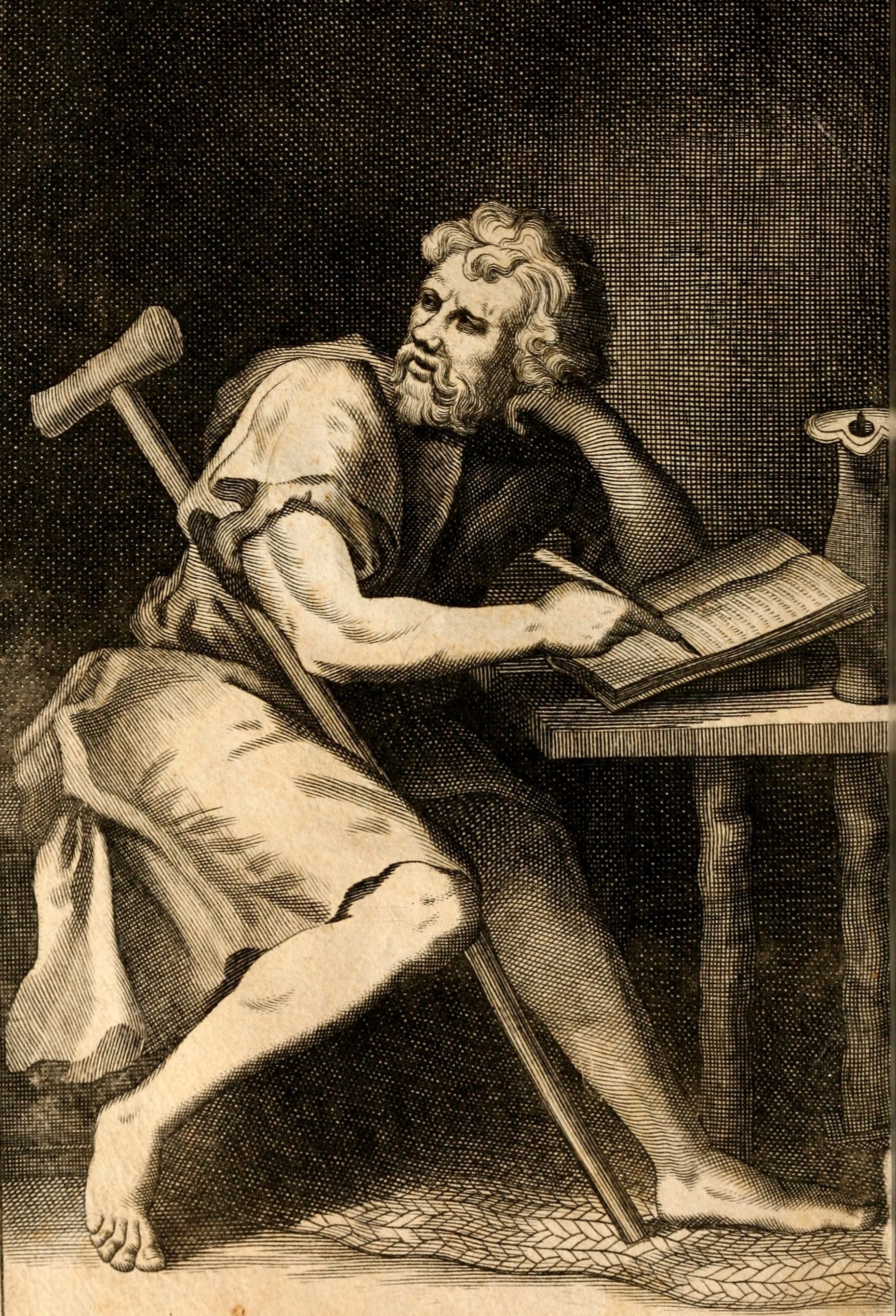
The Weight of Choice: A Stoic Reflection on Morality
Epictetus, the Stoic philosopher, succinctly encapsulates a profound truth when he states, "What is good is the moral choice; what is bad is the moral failure." In this assertion, he emphasizes the primacy of choice in our ethical lives, suggesting that our moral standing is determined not by external circumstances but by the decisions we make. This perspective invites us to examine the essence of virtue and the weight of our choices, urging us to take responsibility for our actions and their moral implications.
In a world often swayed by external pressures and fleeting desires, Epictetus's words serve as a beacon of clarity. The distinction he draws between good and bad is not merely a binary classification but a call to introspection and accountability. By framing morality in terms of choice, he invites us to engage deeply with our values and the motivations behind our actions, reminding us that true moral integrity lies within our capacity to choose wisely.
The image / the metaphor
At the heart of Epictetus's quote lies a vivid imagery of moral agency. The term "moral choice" evokes a sense of active engagement, suggesting that goodness is not an inherent quality but a conscious decision made in the face of life's complexities. Conversely, the phrase "moral failure" carries a weight of regret and responsibility, indicating that the absence of good is not merely a passive state but an active neglect of our ethical duties. This duality of choice and failure paints a landscape where our moral compass is constantly tested, urging us to navigate our lives with intention.
Diving deeper into the metaphor, we can see that Epictetus is not merely delineating good from bad; he is illuminating the path of virtue as a journey marked by choices. Each decision we make is a stepping stone on this path, and the moral failures we encounter are not just setbacks but opportunities for growth and learning. This perspective transforms our understanding of morality from a static set of rules into a dynamic process of self-discovery and ethical evolution.
In the speaker's tradition
Epictetus's teachings are rooted in the rich soil of Stoicism, a philosophy that emphasizes the importance of virtue, rationality, and self-control. Central to Stoic thought is the concept of "dharma," which in various traditions signifies one's duty or moral path. Just as dharma calls individuals to act in accordance with their true nature and societal roles, Epictetus's notion of moral choice invites us to align our actions with our highest values. This alignment is not merely about adhering to societal norms but about cultivating an inner sense of virtue that guides our decisions.
In the context of Stoic literature, we can draw parallels with the writings of Marcus Aurelius, who often reflects on the importance of personal responsibility and the power of choice. In his "Meditations," he emphasizes that our thoughts shape our reality, echoing Epictetus's assertion that moral goodness is found in the choices we make. Both philosophers urge us to cultivate an inner resilience that allows us to navigate life's challenges with integrity and purpose, reinforcing the idea that our moral landscape is shaped by our decisions.
Living the teaching
Consider a modern scenario where this teaching resonates: a workplace dilemma where one is faced with the choice to report unethical behavior. The decision to act ethically, despite potential backlash or personal loss, embodies the essence of Epictetus's quote. In this situation, the moral choice is clear, yet the fear of repercussions may tempt one to remain silent. Here, the challenge lies not in the external circumstances but in the internal resolve to uphold one's values, illustrating that true morality is often a solitary journey of courage.
In a different context, imagine a relationship strained by misunderstandings and unmet expectations. The choice to engage in open, honest communication rather than harboring resentment reflects a commitment to moral integrity. By choosing vulnerability and honesty, one not only fosters deeper connections but also embodies the Stoic ideal of virtue. In both scenarios, the emphasis on choice highlights that our moral landscape is shaped by our willingness to confront difficult situations with integrity and purpose.
A reflection
As we contemplate Epictetus's profound insight, we are invited to reflect on the nature of our own choices. What moral choices are we currently facing, and how do they align with our values? In moments of uncertainty, how can we cultivate the courage to choose goodness over convenience? These questions serve as a compass, guiding us toward a deeper understanding of our moral responsibilities and the transformative power of choice.


