The Journey from Bondage to Heroism
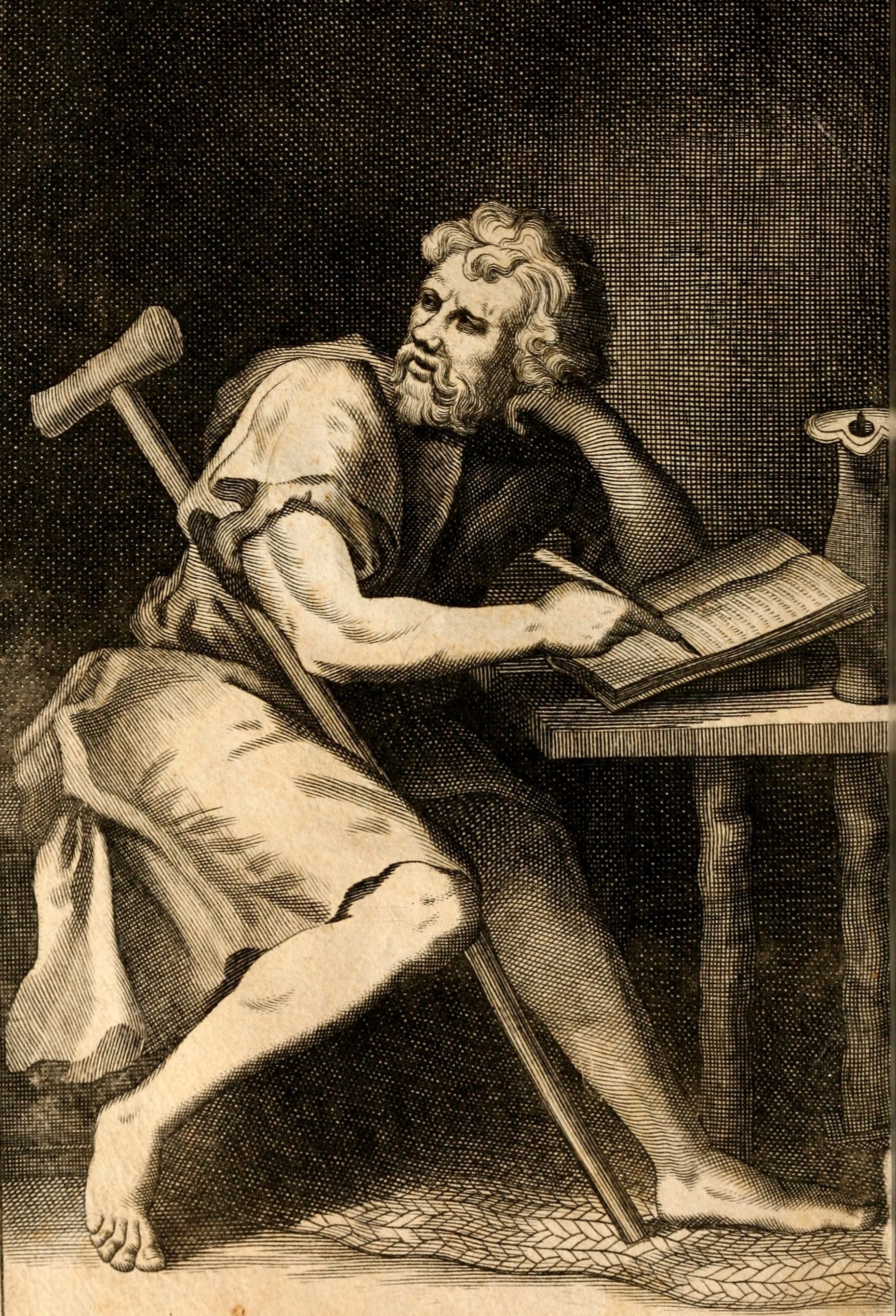
Epictetus's assertion, "Until the most exalted dies a hero, he is born a slave," encapsulates a profound truth about the human condition. In essence, he suggests that true greatness is not merely a birthright but a transformation that arises from overcoming the shackles of our limitations and fears. This statement invites us to reflect on the nature of our own lives, urging us to recognize the internal struggles that often bind us, even as we aspire to achieve our highest potential.
At its core, this quote speaks to the transformative journey each individual must undertake. It challenges us to confront the reality of our own enslavement—whether to societal expectations, personal fears, or unexamined beliefs. The path to heroism, as Epictetus implies, is paved with the courage to confront these internal chains, suggesting that liberation is not merely a matter of external circumstances but a profound inner awakening.
The image / the metaphor
The imagery in Epictetus's quote is striking, juxtaposing the exalted state of a hero with the condition of slavery. The term "slave" evokes a visceral sense of confinement, suggesting a lack of agency and freedom. In contrast, the notion of a "hero" conjures images of valor, strength, and transcendence. This stark contrast serves to highlight the journey from a state of bondage—whether physical, emotional, or psychological—to one of empowerment and self-realization.
Diving deeper into the metaphor, we can see that the "most exalted" represents not just an individual but the potential within each of us. The transition from being a slave to becoming a hero is emblematic of the inner struggle that defines the human experience. It invites us to consider what it means to rise above our limitations and to embrace the heroic qualities that lie dormant within, waiting to be awakened through conscious effort and self-reflection.
In the speaker's tradition
Epictetus, a prominent Stoic philosopher, offers a perspective that resonates deeply within the broader context of Stoicism. Central to this tradition is the idea of inner freedom, which parallels concepts found in other spiritual traditions, such as the notion of dharma in Hinduism or kenosis in Christian thought. Just as dharma emphasizes the fulfillment of one's true nature and responsibilities, Stoicism teaches that true freedom arises from aligning our will with nature and accepting the things we cannot control.
In his "Discourses," Epictetus emphasizes the importance of self-mastery and the cultivation of virtue as pathways to liberation. He writes extensively about the need to distinguish between what is within our control and what is not, a theme that echoes the Buddhist concept of sunyata, or emptiness, which encourages letting go of attachments that bind us. This philosophical framework underscores the transformative journey from being a slave to becoming a hero, as it requires a deep understanding of oneself and the courage to act in accordance with one's true nature.
Living the teaching
Consider a modern scenario where this teaching might resonate: an individual facing a challenging work environment, feeling trapped by the demands of their job and the expectations of their colleagues. In this situation, the person may feel like a slave to their circumstances, unable to assert their own needs or desires. However, by embracing the Stoic principle of focusing on what is within their control, they can begin to reclaim their agency, transforming their mindset and ultimately their experience at work into one of empowerment and growth.
Another application of this teaching can be found in personal relationships. Imagine a person who feels constrained by the expectations of a partner, leading to feelings of resentment and entrapment. By reflecting on Epictetus's wisdom, they might recognize that their sense of bondage stems from their own fears and attachments. Through open communication and a commitment to authenticity, they can navigate the complexities of their relationship, moving from a place of perceived slavery to one of mutual respect and heroism, where both partners can thrive.
A reflection
As we contemplate Epictetus's profound statement, we are invited to ask ourselves: What internal chains do I carry that prevent me from realizing my highest potential? This question encourages a deep exploration of our own lives, prompting us to identify the fears, beliefs, or habits that may be holding us back. In this inquiry lies the seed of transformation, as we begin to recognize that the journey from bondage to heroism is not only possible but essential for our growth and fulfillment.


