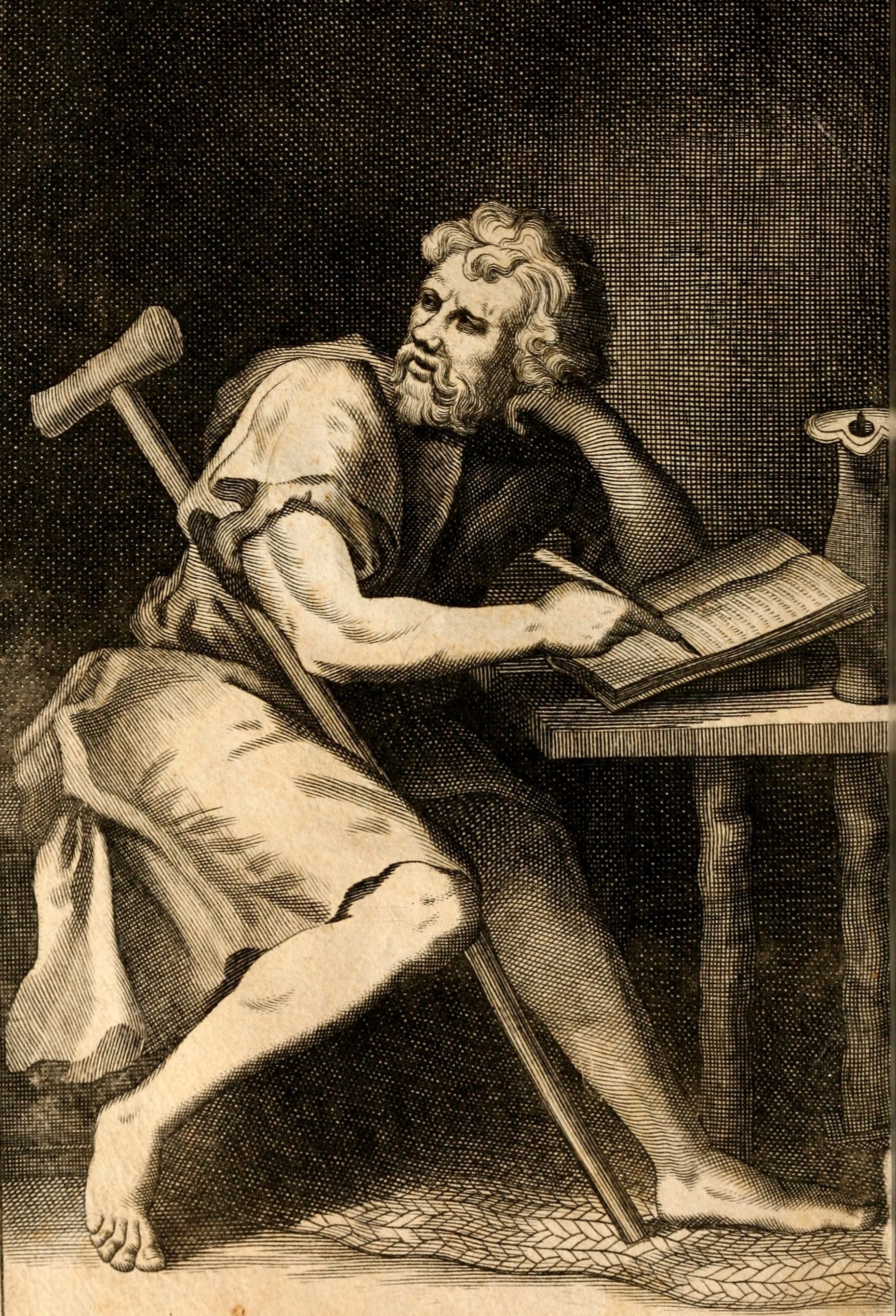
The Resilience of the Will Amidst Physical Trials
Epictetus reminds us that while sickness may hinder the body, it does not have the power to diminish the will. This profound assertion invites us to reflect on the nature of our inner strength and autonomy, especially in the face of physical limitations. The stakes are high; understanding this distinction can lead to a more resilient approach to life's challenges, allowing us to navigate suffering with grace and purpose.
In a world where we often equate our physical state with our overall well-being, Epictetus's words serve as a clarion call to reclaim our agency. The Stoic philosopher urges us to recognize that our true essence lies not in our corporeal form but in our capacity to choose our responses and attitudes. This perspective is particularly relevant in contemporary society, where the pressures of health and wellness can overshadow the deeper, more enduring aspects of our existence.
The image / the metaphor
At first glance, the imagery in Epictetus's quote juxtaposes the physical and the metaphysical. The term "sickness" evokes a visceral sense of limitation, conjuring images of frailty and suffering. In contrast, the "will" represents an indomitable spirit, a force that remains unscathed by the trials of the body. The verbs chosen—"impediment" and "not"—create a stark dichotomy, emphasizing that while our physical state may falter, our inner resolve can remain steadfast.
Diving deeper into the metaphor, we can see that sickness symbolizes not only physical ailments but also the myriad challenges we face in life. It serves as a reminder that external circumstances can often feel overwhelming, yet they do not dictate our internal landscape. The will, in this context, becomes a sanctuary—a place where we can cultivate strength and resilience, regardless of the storms that may rage around us.
In the speaker's tradition
Epictetus's teachings are deeply rooted in Stoicism, a philosophy that emphasizes the importance of inner virtue and the acceptance of external circumstances. Central to Stoic thought is the concept of "dharma," or one's duty, which aligns closely with the idea of will. Just as the Stoics advocate for aligning one's actions with virtue, Epictetus encourages us to recognize that our true power lies in our ability to choose how we respond to life's adversities, rather than being at the mercy of them.
In the Enchiridion, Epictetus elaborates on the distinction between what is within our control and what is not. He asserts that our thoughts, intentions, and will are ours to govern, while external events, including sickness, are beyond our influence. This resonates with the Buddhist concept of "sunyata," or emptiness, which teaches that our perceptions of suffering can be transformed through mindful awareness and acceptance, allowing us to cultivate a sense of freedom even amidst physical trials.
Living the teaching
Consider a modern scenario where an individual faces a chronic illness. The physical limitations imposed by their condition may lead to feelings of frustration and despair. However, by embracing Epictetus's teaching, they can shift their focus from what they cannot do to what they can control: their attitude, their choices, and their engagement with life. This shift can empower them to find new ways to express their will, perhaps through creative outlets or community involvement, thus redefining their experience of illness.
In relationships, this teaching can manifest during times of conflict or emotional distress. When faced with a partner's illness or a loved one's struggles, one might feel helpless or overwhelmed. Yet, by recognizing that while we cannot change another's circumstances, we can choose how we respond—offering support, compassion, and understanding—we embody the essence of Epictetus's wisdom. This approach fosters deeper connections and nurtures resilience within ourselves and those we care for.
A reflection
As we contemplate Epictetus's assertion that "sickness is an impediment to the body, but not to the will," we are invited to explore the nature of our own will. In what ways do we allow external circumstances to dictate our inner strength? How can we cultivate a more resilient spirit that remains unshaken by the trials of the body? Reflecting on these questions can lead us to a deeper understanding of our true essence and the freedom that lies within.


