The Path of Dignity and Virtue
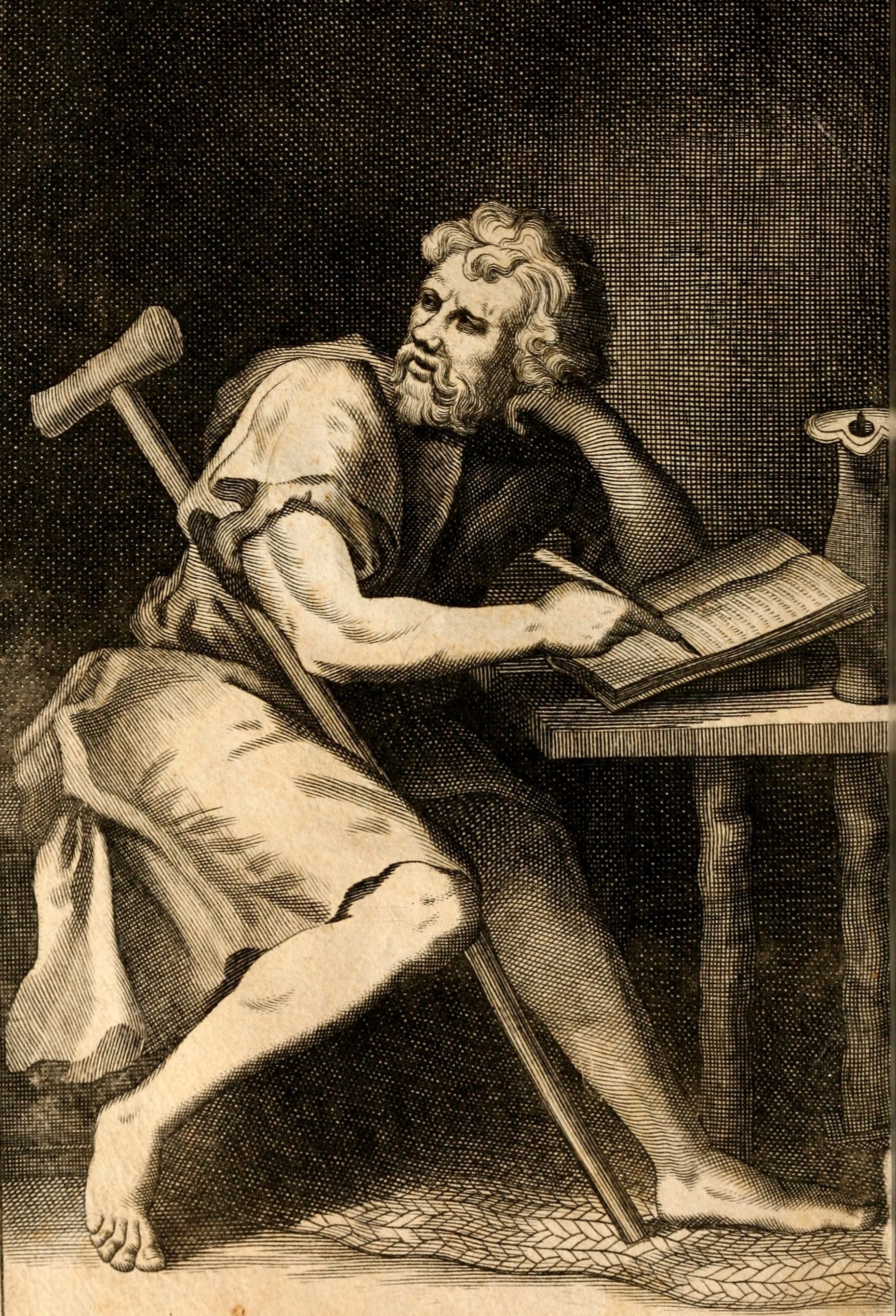
Epictetus invites us to embrace a life marked by dignity and virtue, urging us to resolve to embody these qualities in our daily existence. This call to action is not merely a suggestion but a profound commitment to living authentically and with integrity. In a world often clouded by distractions and superficial values, the stakes of this resolution are high; they define not only our character but also the impact we have on others and the legacy we leave behind.
To live as a person of dignity and virtue is to engage in a continuous practice of self-examination and ethical living. It requires us to confront our choices and behaviors with honesty, aligning them with our highest values. This journey is not always easy, as it demands a steadfast commitment to personal growth and the courage to act in accordance with our principles, even when faced with adversity or temptation.
The image / the metaphor
At the heart of Epictetus's quote lies a vivid imagery of a person standing tall, embodying dignity and virtue as intrinsic qualities. The verbs "resolve" and "live" suggest an active engagement with life, emphasizing that dignity and virtue are not passive states but rather dynamic practices. This imagery evokes a sense of strength and resilience, as if the individual is not merely surviving but thriving in alignment with their true self.
Delving deeper into the metaphor, we can see that dignity represents a profound respect for oneself and others, while virtue embodies the moral excellence that guides our actions. Together, they create a harmonious balance, suggesting that true dignity arises from virtuous living. This interplay invites us to consider how our choices reflect our values and how we can cultivate a life that resonates with authenticity and integrity.
In the speaker's tradition
Epictetus, a prominent Stoic philosopher, situates his teachings within a rich tradition that emphasizes the importance of personal responsibility and ethical living. Central to Stoicism is the concept of living in accordance with nature, which parallels the idea of dharma in Eastern philosophies. Just as dharma calls for alignment with one's true purpose, Epictetus encourages us to align our actions with virtue, recognizing that our character shapes our destiny.
In the Enchiridion, Epictetus articulates the significance of internal freedom and the power of choice, echoing the Stoic belief that we are responsible for our responses to external circumstances. This resonates with the Buddhist concept of sunyata, or emptiness, which teaches that our perceptions and attachments shape our experience of reality. Both traditions emphasize the transformative potential of self-awareness and ethical living, inviting us to cultivate a life of dignity and virtue.
Living the teaching
Consider a modern scenario where this teaching can be applied: a workplace filled with competitive pressures and ethical dilemmas. In such an environment, resolving to live with dignity and virtue might manifest as choosing honesty over deceit, even when it could lead to personal disadvantage. This commitment not only enhances one's integrity but also sets a standard for colleagues, fostering a culture of trust and respect.
In the realm of personal relationships, this teaching can be particularly poignant. Imagine a moment of conflict with a loved one, where the temptation to react defensively looms large. By resolving to embody dignity and virtue, one might choose to respond with empathy and understanding, prioritizing the relationship over the ego. This practice not only deepens connections but also cultivates a sense of inner peace, reinforcing the idea that our choices define our character.
A reflection
As we contemplate Epictetus's call to live as a person of dignity and virtue, we are invited to reflect on our own lives. What choices can we make today that align with our highest values? In what ways can we cultivate a deeper sense of integrity in our actions, both towards ourselves and others? This contemplation serves as a guiding light, illuminating the path toward a life rich in meaning and authenticity.