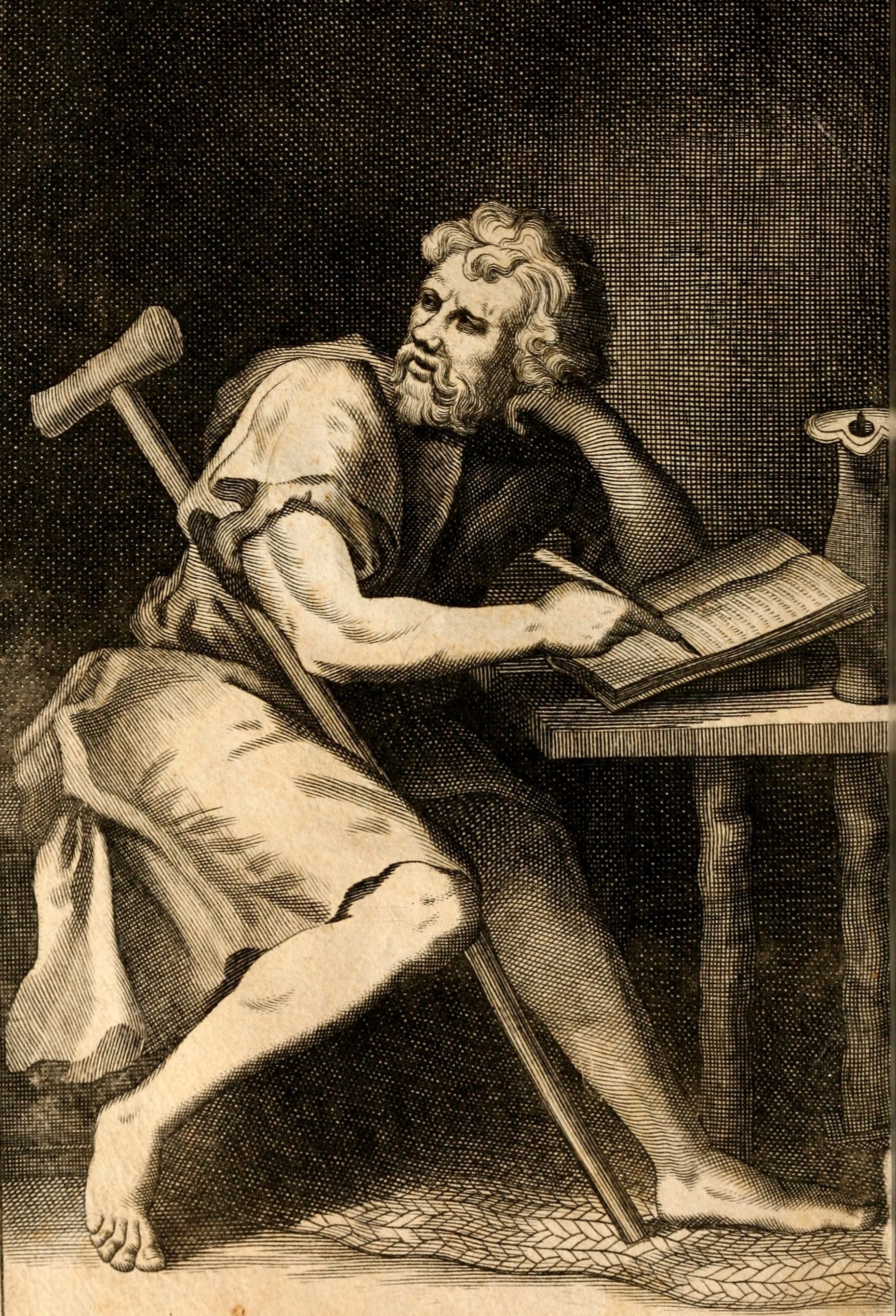
The Freedom of the Will Amidst Life's Limitations
Epictetus, the Stoic philosopher, offers a profound insight when he states, "Lameness is an impediment to the leg, but not to the will." This assertion invites us to consider the distinction between our physical limitations and the boundless nature of our willpower. It underscores the idea that while our bodies may face constraints, our inner resolve remains free and unencumbered. This perspective is crucial in a world where we often equate our worth and potential with our physical capabilities.
In a society that frequently prioritizes external achievements and appearances, Epictetus's words serve as a reminder of the true source of our strength: the will. The Stoic tradition teaches us that our responses to life's challenges define us more than the challenges themselves. By recognizing that our will is independent of our physical state, we can cultivate resilience and a deeper sense of agency, allowing us to navigate life's adversities with grace and purpose.
The image / the metaphor
At first glance, the imagery of lameness evokes a visceral understanding of physical limitation. The leg, a symbol of mobility and action, becomes a poignant representation of the barriers we encounter in life. The verb "impediment" suggests a hindrance that is tangible and real, one that can be felt in the body. Yet, juxtaposed against this is the notion of the will, which remains untouched by such physical constraints. This contrast invites us to explore the deeper implications of our perceived limitations.
Diving deeper into the metaphor, we can see that lameness symbolizes not just physical disability but also the various forms of suffering and hardship we face. It serves as a reminder that while we may be hindered in one aspect of our lives, our will—the essence of our being—can still soar beyond those limitations. This duality encourages us to reflect on how we can harness our inner strength to overcome obstacles, transforming our perceived weaknesses into sources of empowerment.
In the speaker's tradition
Epictetus's philosophy is deeply rooted in Stoicism, a school of thought that emphasizes the importance of inner virtue and the cultivation of a resilient spirit. Central to Stoic teachings is the concept of "dharma," or one's duty, which aligns closely with the idea of will. Just as the Stoics believed in the necessity of aligning one's actions with reason and virtue, Epictetus reminds us that our will can guide us through adversity, regardless of our circumstances. This notion resonates with the Buddhist concept of "sunyata," or emptiness, which teaches that our attachments to the physical world can cloud our perception of true freedom.
In the Enchiridion, Epictetus further elaborates on the importance of distinguishing between what is within our control and what is not. He asserts that our thoughts, intentions, and will are the only true domains of our influence. This echoes the teachings found in other Stoic texts, such as Seneca's letters, where the emphasis is placed on the cultivation of the mind as a means to achieve tranquility amidst external chaos. By understanding this distinction, we can better navigate the complexities of life with a sense of purpose and clarity.
Living the teaching
Consider a modern scenario where this teaching resonates: an individual facing a chronic illness. The physical limitations imposed by their condition may feel overwhelming, yet within them lies the capacity to choose how they respond to their situation. By embracing Epictetus's wisdom, they can cultivate a mindset that prioritizes their will over their physical constraints, finding ways to engage with life meaningfully despite their challenges. This perspective can transform their experience, allowing them to focus on what they can control—such as their attitude, relationships, and personal growth—rather than what they cannot.
In the realm of relationships, this teaching can also manifest powerfully. Imagine a conflict between friends where one feels wronged and powerless. By recognizing that while they cannot control the actions of others, they can control their own responses and choices, they can navigate the situation with grace. This understanding fosters a sense of empowerment, allowing them to approach the conflict with compassion and clarity, ultimately leading to resolution and deeper connection.
A reflection
As we contemplate Epictetus's assertion that "lameness is an impediment to the leg, but not to the will," we are invited to explore the nature of our own limitations. What physical or emotional challenges do we perceive as barriers to our freedom? In what ways can we shift our focus from these constraints to the power of our will? Reflecting on these questions can illuminate the path toward a more liberated existence, one where our inner strength guides us through life's inevitable trials.


