The Greatness of Integrity in Suffering
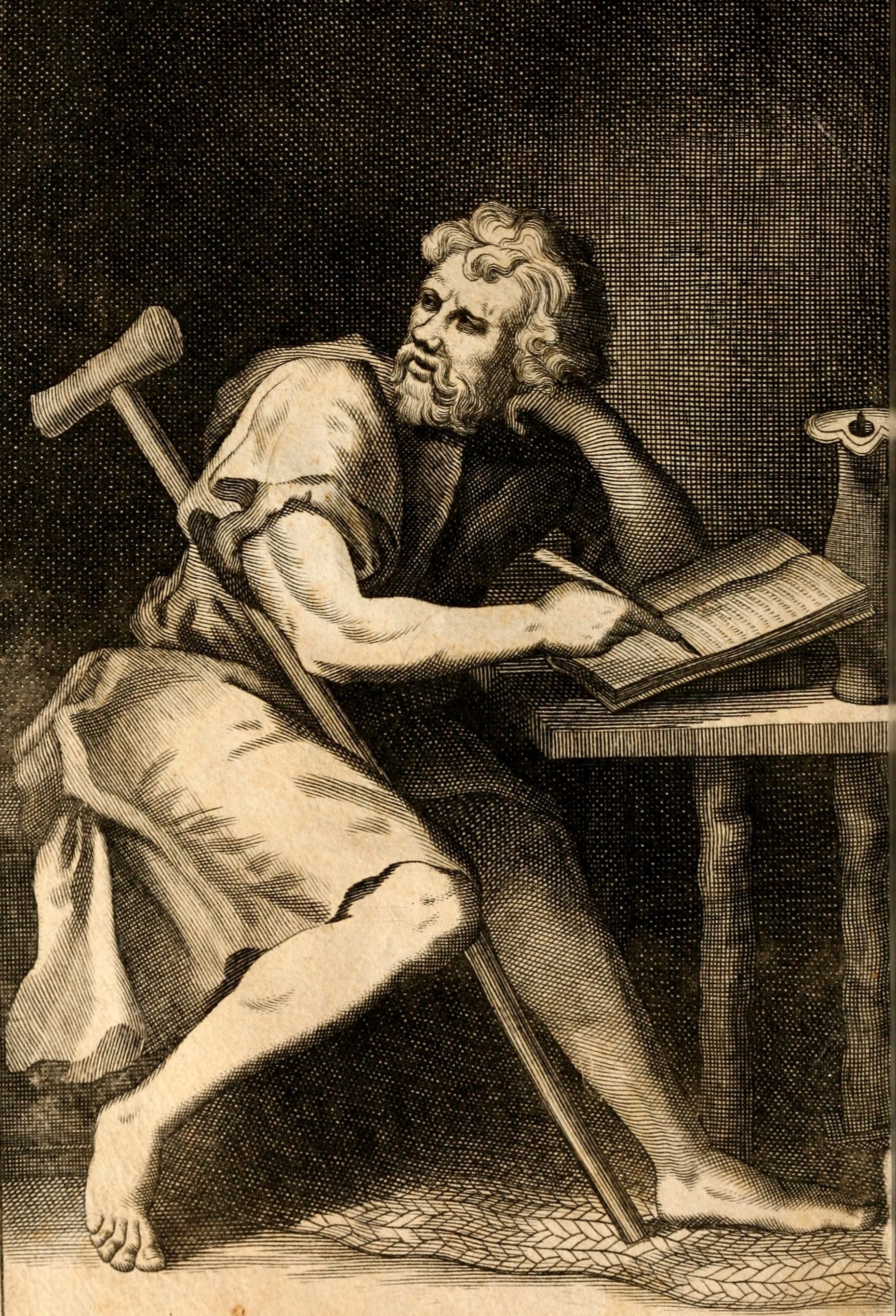
In the words of Epictetus, "He is great who chooses, even in suffering, to remain himself." This profound statement invites us to consider the essence of personal integrity amidst the trials of life. It suggests that true greatness is not merely a matter of external achievements or accolades but rather the steadfastness of character in the face of adversity. The stakes are high; in a world that often pressures us to conform or compromise, the ability to remain true to oneself becomes a radical act of courage and authenticity.
To delve deeper, we must recognize that suffering is an inevitable part of the human experience. It is through our responses to suffering that our true selves are revealed. Epictetus, a Stoic philosopher, emphasizes that our internal state is within our control, regardless of external circumstances. This quote serves as a reminder that the path to greatness lies not in the absence of suffering but in our capacity to navigate it while maintaining our core values and identity. In this light, the quote becomes a call to cultivate resilience and integrity, urging us to embrace our authentic selves even when faced with life's most challenging moments.
The image / the metaphor
At its core, the quote evokes a powerful image of choice and agency. The verb "chooses" signifies an active decision-making process, highlighting that greatness is not a passive state but a conscious act of will. The phrase "to remain himself" suggests a deep-rooted sense of identity that transcends external pressures and circumstances. This imagery invites us to visualize a person standing firm against the winds of suffering, embodying their true self with unwavering resolve.
Delving deeper into the metaphor, we can see that suffering acts as a crucible, a testing ground for our character. It is in these moments of hardship that our values and beliefs are put to the test. The choice to remain oneself amidst suffering is akin to a flame that endures through a storm, illuminating the darkness with its steadfast light. This metaphor not only speaks to individual integrity but also to the universal human experience of grappling with pain and adversity, reminding us that our true selves can emerge stronger and more defined through such trials.
In the speaker's tradition
Epictetus's teachings are deeply rooted in the Stoic tradition, which emphasizes the importance of virtue, wisdom, and self-control. Central to Stoicism is the concept of living in accordance with nature and understanding what is within our control. This aligns with the idea of dharma in Eastern philosophies, where one’s duty and true nature guide actions, even in the face of suffering. The Stoics believed that external events are indifferent; it is our reactions to them that define our character and moral standing.
In his "Discourses," Epictetus often draws upon the notion of the "inner citadel," a metaphor for the mind's fortress that remains unassailable by external circumstances. This concept resonates with the Buddhist idea of sunyata, or emptiness, which teaches that our attachments and identifications can lead to suffering. By cultivating a sense of inner strength and clarity, we can navigate the challenges of life while remaining true to our authentic selves, embodying the greatness that Epictetus speaks of.
Living the teaching
Consider a modern scenario where this teaching might resonate: a person facing a significant career setback. Perhaps they have been passed over for a promotion or faced criticism from a superior. In such moments, the temptation to compromise one's values or to react with anger and frustration can be overwhelming. However, choosing to remain true to oneself—by reflecting on personal strengths, maintaining professionalism, and upholding integrity—can transform this setback into an opportunity for growth and self-discovery.
Another application of this teaching can be found in personal relationships. Imagine a situation where a friend or loved one has betrayed your trust. The emotional turmoil that follows can lead to a desire for revenge or withdrawal. Yet, by choosing to remain oneself—by embodying forgiveness, understanding, and compassion—one can navigate the pain of betrayal while preserving the integrity of the relationship. This choice not only reflects personal greatness but also fosters deeper connections and healing.
A reflection
As we contemplate Epictetus's profound assertion, we are invited to reflect on our own lives: In moments of suffering, how do we choose to respond? Do we allow external circumstances to dictate our sense of self, or do we strive to remain true to our core values and identity? This contemplation encourages us to explore the depths of our integrity and the ways in which we can cultivate resilience, even in the face of adversity. What choices can we make today that honor our true selves, regardless of the challenges we encounter?