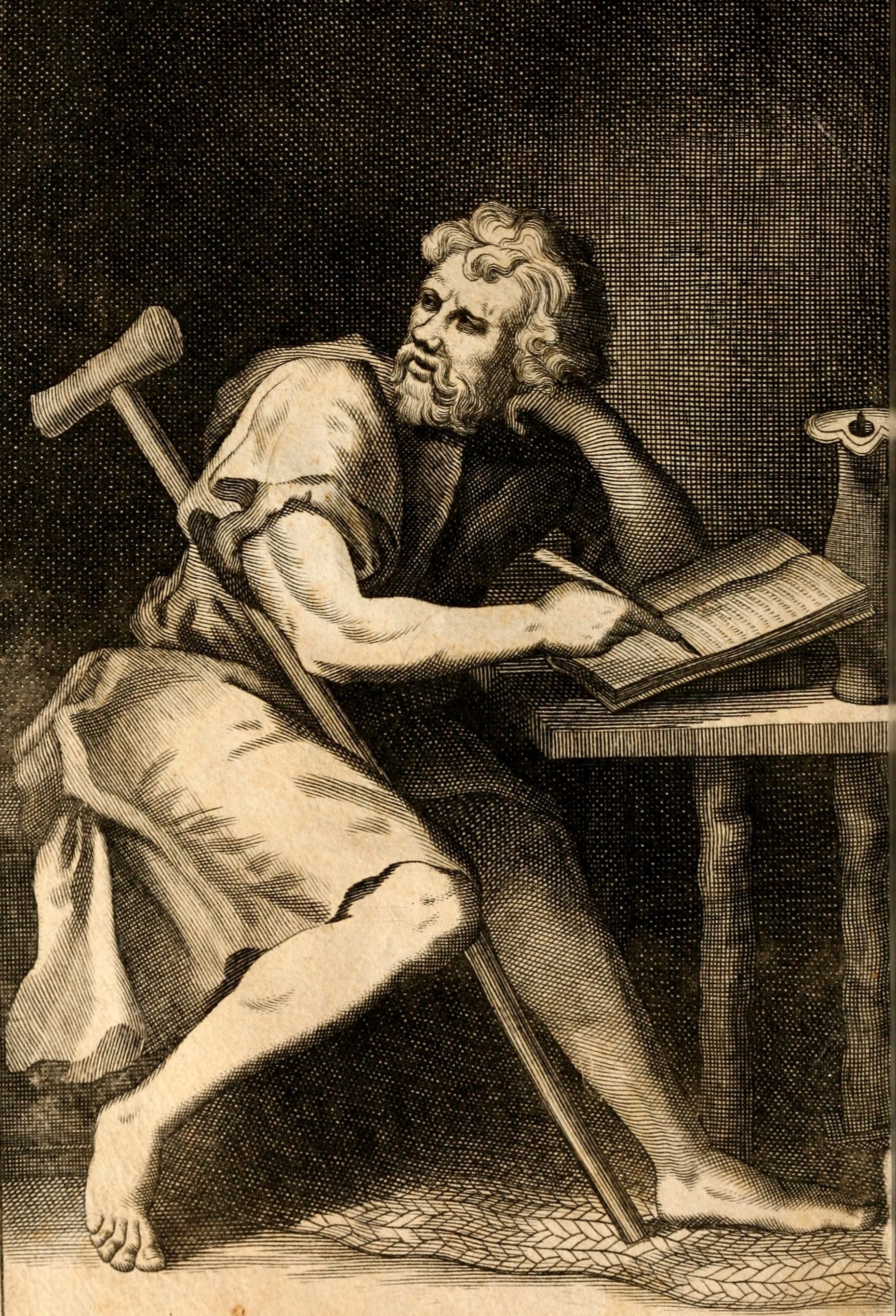
The Essence of True Freedom
Epictetus, the Stoic philosopher, asserts that "He is free who lives as he wishes to live." This profound statement invites us to explore the nature of freedom, suggesting that true liberation is found not in external circumstances but in the alignment of our lives with our deepest desires and values. The stakes are high: to live authentically is to embrace a life of virtue, while to live in accordance with the expectations of others can lead to a profound sense of discontent. Understanding this quote is essential for anyone seeking to navigate the complexities of modern existence.
In a world often defined by external pressures and societal norms, Epictetus's words resonate with a timeless truth. They challenge us to reflect on what it means to truly wish for something and to live in accordance with those wishes. This inquiry is not merely philosophical; it is a call to action, urging us to examine our lives and the choices we make. Are we living freely, or are we shackled by the desires imposed upon us by others? The exploration of this question can lead to a deeper understanding of ourselves and our place in the world.
The image / the metaphor
At first glance, the quote presents a simple yet powerful image of freedom. The verb "lives" suggests an active engagement with life, implying that freedom is not a passive state but a dynamic process. The phrase "as he wishes to live" evokes a sense of personal agency, emphasizing that true freedom is rooted in the ability to make choices that resonate with one's inner self. This imagery invites us to consider the contrast between living authentically and conforming to external expectations, highlighting the emotional weight of our choices.
Diving deeper into the metaphor, we can see that Epictetus is not merely speaking of superficial desires or whims. Instead, he points toward a profound alignment between one's actions and one's values. This alignment creates a sense of harmony and fulfillment, suggesting that freedom is intricately tied to virtue. When we live in accordance with our true wishes—those that arise from a place of integrity and moral clarity—we experience a liberation that transcends the confines of societal approval or material success.
In the speaker's tradition
Epictetus's philosophy is deeply rooted in Stoicism, a tradition that emphasizes the importance of virtue and self-control as pathways to true freedom. Central to Stoic thought is the concept of "dharma," or living in accordance with one's true nature and purpose. This idea resonates with Epictetus's assertion, as it underscores the necessity of aligning our lives with our authentic selves. The Stoics believed that external circumstances are largely beyond our control, but our responses to them are entirely within our power, echoing the sentiment that freedom is an internal state.
In the context of Stoic literature, we can draw parallels to the teachings found in Marcus Aurelius's "Meditations," where he reflects on the importance of living in accordance with nature and reason. Aurelius writes about the significance of focusing on what is within our control and letting go of what is not, reinforcing the idea that true freedom lies in our ability to choose our responses. This shared wisdom across Stoic texts illuminates the path toward a life lived authentically and freely, emphasizing the transformative power of virtue.
Living the teaching
Consider a modern scenario where this teaching might land: a professional grappling with the demands of a high-pressure job. Many individuals find themselves in roles that do not align with their passions or values, leading to a sense of entrapment. By reflecting on Epictetus's words, this person might begin to ask themselves what they truly wish for in their career. This inquiry could lead to a courageous decision to pursue a path that resonates more deeply with their authentic self, whether that means seeking a new job, starting a business, or even redefining success on their own terms.
Another application of this teaching can be found in personal relationships. Imagine someone who feels compelled to maintain a friendship that no longer serves them, driven by a sense of obligation rather than genuine connection. By contemplating the essence of freedom as articulated by Epictetus, they may come to realize that true friendship is rooted in mutual respect and shared values. This understanding could empower them to set boundaries or even step away from relationships that do not honor their wishes, ultimately leading to a more fulfilling and authentic life.
A reflection
As we contemplate the wisdom of Epictetus, we are invited to reflect on our own lives and the choices we make. Are we living as we wish to live, or are we allowing external influences to dictate our paths? This contemplation can serve as a powerful catalyst for change. Consider this question: What is one wish you have for your life that you have yet to fully embrace? Allow this inquiry to guide you toward a deeper understanding of your own freedom and the steps you might take to live more authentically.


