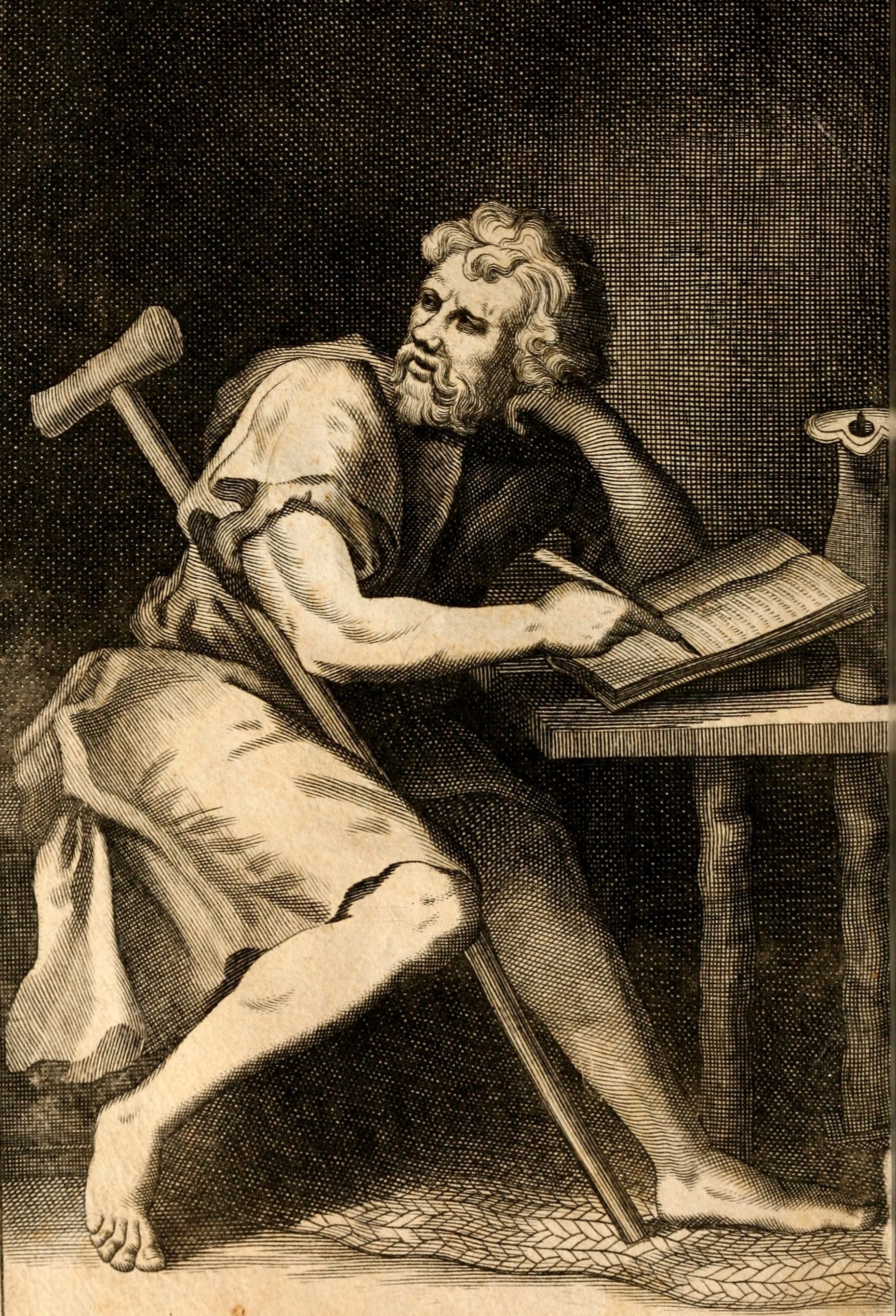
The True Essence of Freedom: Mastery of Self
Epictetus profoundly asserts that true freedom is inextricably linked to self-mastery, stating, "No man is free who is not master of himself." This statement invites us to reflect on the nature of freedom, suggesting that it is not merely the absence of external constraints but rather the presence of internal discipline and control. The stakes are high; without this mastery, we remain prisoners of our impulses, emotions, and external circumstances, unable to navigate the complexities of life with clarity and purpose.
In a world that often equates freedom with the ability to act without restraint, Epictetus challenges us to reconsider this notion. He posits that the ultimate liberation lies within, emphasizing that our thoughts, reactions, and desires must be governed by reason and virtue. This perspective invites us to explore the deeper dimensions of what it means to be truly free, urging us to cultivate an inner landscape where self-discipline reigns supreme, allowing us to respond to life's challenges with wisdom and grace.
The image / the metaphor
The imagery in Epictetus's quote evokes a powerful sense of internal struggle and the journey toward self-governance. The phrase "master of himself" conjures the image of a skilled captain navigating a ship through turbulent waters, where the mastery of the vessel is essential for safe passage. The verbs chosen—"is free" and "is not master"—suggest a dynamic interplay between freedom and control, highlighting that one cannot exist without the other. This metaphorical landscape invites us to visualize our inner lives as a realm that requires stewardship and care.
Diving deeper into this metaphor, we can see that self-mastery is not merely about exerting control over our actions but also about understanding and harmonizing our inner desires and motivations. It is akin to tending a garden; without diligent care, weeds of distraction and chaos can overtake the flourishing plants of virtue and purpose. Thus, the journey toward self-mastery becomes a sacred endeavor, where we cultivate the qualities that lead to genuine freedom, transforming our inner landscape into a sanctuary of peace and clarity.
In the speaker's tradition
Epictetus's teachings are rooted in Stoicism, a philosophical tradition that emphasizes the importance of virtue, reason, and self-control. In this framework, the concept of self-mastery aligns closely with the Stoic ideal of living in accordance with nature and reason, where one's actions are guided by rational thought rather than fleeting emotions. This resonates with concepts found in other spiritual traditions, such as dharma in Hinduism, which emphasizes living in alignment with one's true nature, or kenosis in Christian mysticism, which speaks to the self-emptying necessary for spiritual growth.
In his "Discourses," Epictetus elaborates on the significance of internal freedom, urging his followers to focus on what is within their control—namely, their thoughts and responses. This echoes the teachings of the Buddha, who spoke of sunyata, or emptiness, as a state of liberation from attachments and desires. Both traditions converge on the understanding that true freedom is not found in external circumstances but in the mastery of one's inner life, a theme that resonates across cultures and epochs.
Living the teaching
Consider a modern scenario where this teaching can be applied: a professional facing a challenging work environment filled with stress and competition. In such a setting, the temptation to react impulsively—whether through frustration, anger, or despair—can be overwhelming. However, by embracing the Stoic principle of self-mastery, one can pause, reflect, and choose a response rooted in reason and virtue. This practice not only fosters personal resilience but also sets a tone for a more harmonious workplace, illustrating how self-mastery translates into external freedom.
Another application of this teaching can be found in personal relationships, particularly during conflicts. When faced with a disagreement, the instinct may be to react defensively or to succumb to emotional turmoil. Yet, by practicing self-mastery, one can approach the situation with a calm and open heart, seeking understanding rather than victory. This shift not only enhances the quality of the relationship but also cultivates a deeper sense of freedom, as both parties learn to navigate their emotions with grace and compassion, ultimately fostering a more profound connection.
A reflection
As we contemplate Epictetus's assertion that "No man is free who is not master of himself," we are invited to reflect on our own lives. What areas of your life feel constrained or chaotic, and how might the practice of self-mastery transform those experiences? Consider this question as a guiding light on your journey toward true freedom, encouraging you to explore the depths of your inner landscape and cultivate the discipline necessary for a life of purpose and clarity.


