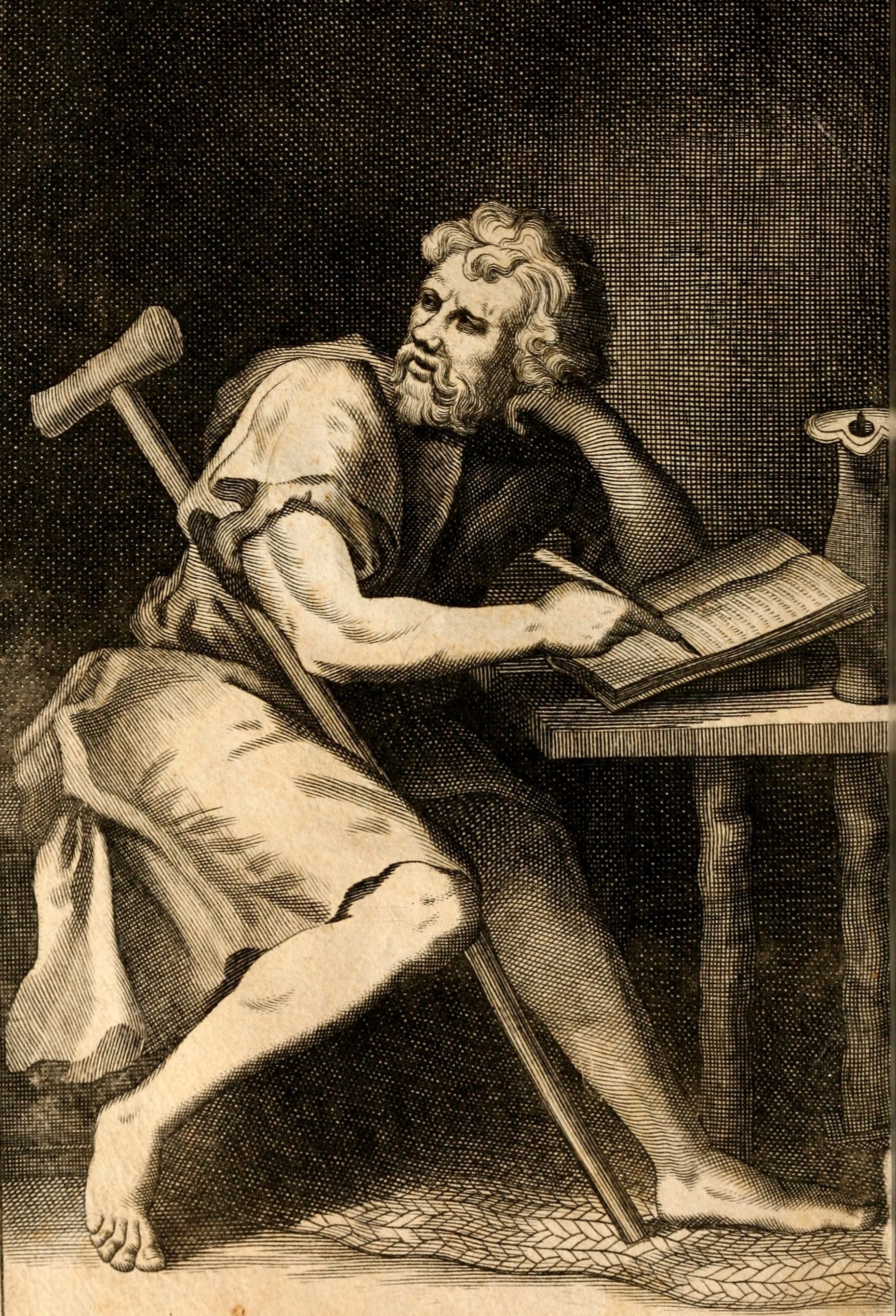
The Resilience of the Will Amidst Physical Trials
Epictetus, the Stoic philosopher, profoundly asserts that while disease may hinder the body, it cannot touch the essence of the will. This statement invites us to explore the distinction between our physical condition and our inner resolve. In a world where illness can often feel like a sentence of defeat, Epictetus reminds us that our true power lies in our ability to choose our responses, regardless of external circumstances. This perspective is not merely philosophical; it is a call to cultivate resilience and autonomy in the face of life's inevitable challenges.
Delving deeper, we find that Epictetus's assertion speaks to a fundamental truth about human existence: the interplay between the body and the mind. While our physical bodies may be frail and susceptible to disease, our will—the very core of our being—remains unshackled by these limitations. This dichotomy is crucial for understanding how we can navigate suffering and adversity. By recognizing that our will is a domain we can govern, we empower ourselves to confront life's trials with dignity and strength.
The image / the metaphor
At the heart of Epictetus's quote lies a vivid metaphor that contrasts the tangible experience of disease with the intangible nature of will. The term "impediment" evokes a sense of obstruction, suggesting that disease can block our physical capabilities, perhaps even our aspirations. However, the phrase "not to the will" introduces a powerful counterpoint, emphasizing that the will remains free and unencumbered. This imagery invites us to visualize the body as a vessel that may be damaged but does not define the entirety of our being.
Moreover, the metaphor extends beyond mere physicality. It suggests that while our bodies may endure trials, our inner resolve can remain steadfast. This distinction encourages us to cultivate a sense of agency, reminding us that our thoughts, intentions, and choices are realms where we can exercise control. In this light, the will becomes a sanctuary, a place where we can find strength and purpose, even amidst the chaos of illness or suffering.
In the speaker's tradition
Epictetus's insights are deeply rooted in the Stoic tradition, which emphasizes the importance of inner virtue and the cultivation of a resilient spirit. Central to Stoicism is the concept of "apatheia," or freedom from passion, which encourages individuals to remain unaffected by external circumstances. This aligns with the idea of "dharma" in Eastern philosophies, where one's duty and righteousness are upheld regardless of life's challenges. Both traditions advocate for an unwavering commitment to one's principles, suggesting that true freedom lies in our responses rather than our conditions.
In the "Enchiridion," Epictetus elaborates on the importance of distinguishing between what is within our control and what is not. He teaches that our thoughts and reactions are within our purview, while external events, including illness, are not. This Stoic clarity resonates with the Buddhist concept of "sunyata," or emptiness, which encourages a detachment from the transient nature of the physical world. Both philosophies invite us to cultivate an inner strength that transcends the limitations imposed by our circumstances.
Living the teaching
Consider a modern scenario where this teaching can be applied: a person diagnosed with a chronic illness. Initially, the diagnosis may evoke feelings of despair and helplessness, as the individual grapples with the limitations imposed by their condition. However, by embracing Epictetus's wisdom, they can shift their focus from the physical constraints to the power of their will. They might choose to engage in activities that bring joy, pursue creative outlets, or advocate for others facing similar challenges, thus reclaiming agency in their life despite the disease.
Another application of this teaching can be found in interpersonal relationships. Imagine a situation where a loved one is facing a difficult time, perhaps struggling with mental health issues. While the external circumstances may seem overwhelming, one can embody the Stoic principle by offering support without losing sight of their own emotional well-being. By recognizing that the will to support and uplift others remains intact, even when faced with the weight of another's suffering, we can foster deeper connections and resilience in our relationships.
A reflection
As we reflect on Epictetus's profound assertion, we are invited to consider the nature of our own will in the face of adversity. How often do we allow external circumstances to dictate our inner state? In moments of struggle, can we cultivate a sense of agency that empowers us to respond with grace and strength? Let this contemplation guide us as we navigate the complexities of life, reminding us that while our bodies may falter, our will can remain a beacon of resilience.


