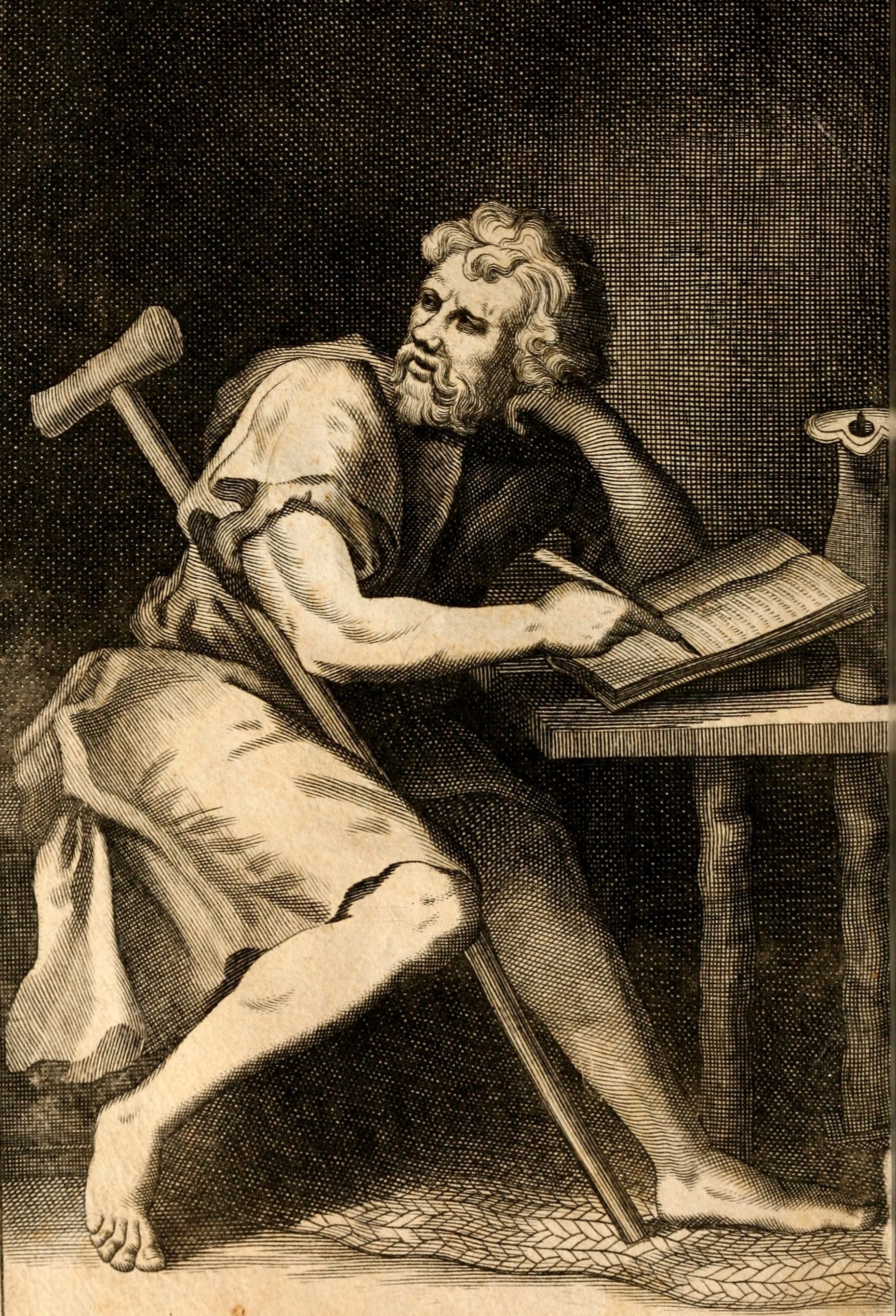
Revealing Character Through Adversity
Epictetus, the Stoic philosopher, asserts that "difficulties are things that show what people are." In this succinct statement, he encapsulates a profound truth about the human experience: our true character is revealed not in moments of ease but in times of challenge. This insight is crucial, as it invites us to reconsider how we perceive difficulties—not merely as obstacles but as opportunities for self-discovery and growth. Understanding this perspective can transform our relationship with adversity, allowing us to embrace it as a catalyst for personal development.
Moreover, this quote speaks to the essence of Stoicism, which emphasizes the importance of inner virtue and resilience. In a world that often prioritizes comfort and success, Epictetus reminds us that it is through grappling with difficulties that we uncover our authentic selves. This notion is particularly relevant in contemporary society, where the pressures of daily life can lead to a superficial understanding of character. By recognizing that our responses to challenges define us, we can cultivate a deeper sense of purpose and integrity.
The image / the metaphor
At first glance, Epictetus's words evoke a vivid image of a crucible—a vessel in which metals are melted and purified through intense heat. Here, "difficulties" serve as the heat that reveals the true nature of individuals. The choice of the word "show" suggests an unveiling, a revelation that occurs when the facade of comfort is stripped away. This imagery invites us to consider how we respond when faced with adversity, as it is in these moments that our core values and beliefs come to the forefront.
Diving deeper into the metaphor, we can see that difficulties act as a mirror, reflecting our strengths and weaknesses. Just as a sculptor chisels away excess stone to reveal a masterpiece, challenges can carve away the distractions and illusions that cloud our understanding of ourselves. In this light, adversity becomes not merely a trial to endure but a transformative process that shapes our character. The verbs chosen by Epictetus—"show"—imply an active engagement with our circumstances, urging us to confront rather than evade the trials that life presents.
In the speaker's tradition
Epictetus's insights are deeply rooted in the Stoic tradition, which emphasizes the cultivation of virtue as the highest good. Central to Stoicism is the idea of living in accordance with nature, or dharma, which calls for an acceptance of the natural order of life, including its inherent difficulties. This acceptance is akin to the Buddhist concept of sunyata, or emptiness, which teaches that suffering is an integral part of existence and can lead to profound insights when embraced. Both traditions encourage us to confront our challenges with equanimity, recognizing that they are essential to our spiritual and personal growth.
In his work, Epictetus often refers to the importance of distinguishing between what is within our control and what is not. This principle resonates with the notion of kenosis in Christian mysticism, which speaks to the self-emptying of one's own will in order to align with a higher purpose. Just as Epictetus encourages us to focus on our responses to external events, the practice of kenosis invites us to relinquish our attachments and expectations, allowing us to navigate difficulties with grace and resilience. The interplay of these concepts illustrates a universal truth: that through surrendering to the challenges we face, we can uncover our true selves.
Living the teaching
Consider a modern scenario where this teaching might resonate: a professional facing unexpected setbacks at work. Perhaps a project fails, or a promotion slips away. In such moments, the instinct may be to retreat into self-doubt or blame external circumstances. However, by embracing Epictetus's perspective, one can view these difficulties as opportunities to reflect on personal strengths, weaknesses, and values. This shift in mindset allows for growth, fostering resilience and a deeper understanding of one's professional identity.
Similarly, in personal relationships, difficulties often arise that test our character. Imagine a conflict with a loved one that leads to feelings of frustration and hurt. Instead of allowing these emotions to dictate our responses, we can choose to see this challenge as a chance to explore our own reactions and assumptions. By engaging with the discomfort and seeking to understand both our own and the other person's perspective, we can emerge from the conflict with a stronger bond and a clearer sense of self. In both scenarios, the essence of Epictetus's teaching becomes a guiding principle, illuminating the path toward personal growth through adversity.
A reflection
As we contemplate Epictetus's assertion that "difficulties are things that show what people are," we are invited to reflect on our own experiences with adversity. What have your challenges revealed about your character? In what ways can you embrace future difficulties as opportunities for growth and self-discovery? By engaging with these questions, we can begin to cultivate a deeper understanding of ourselves and our capacity for resilience in the face of life's inevitable trials.


