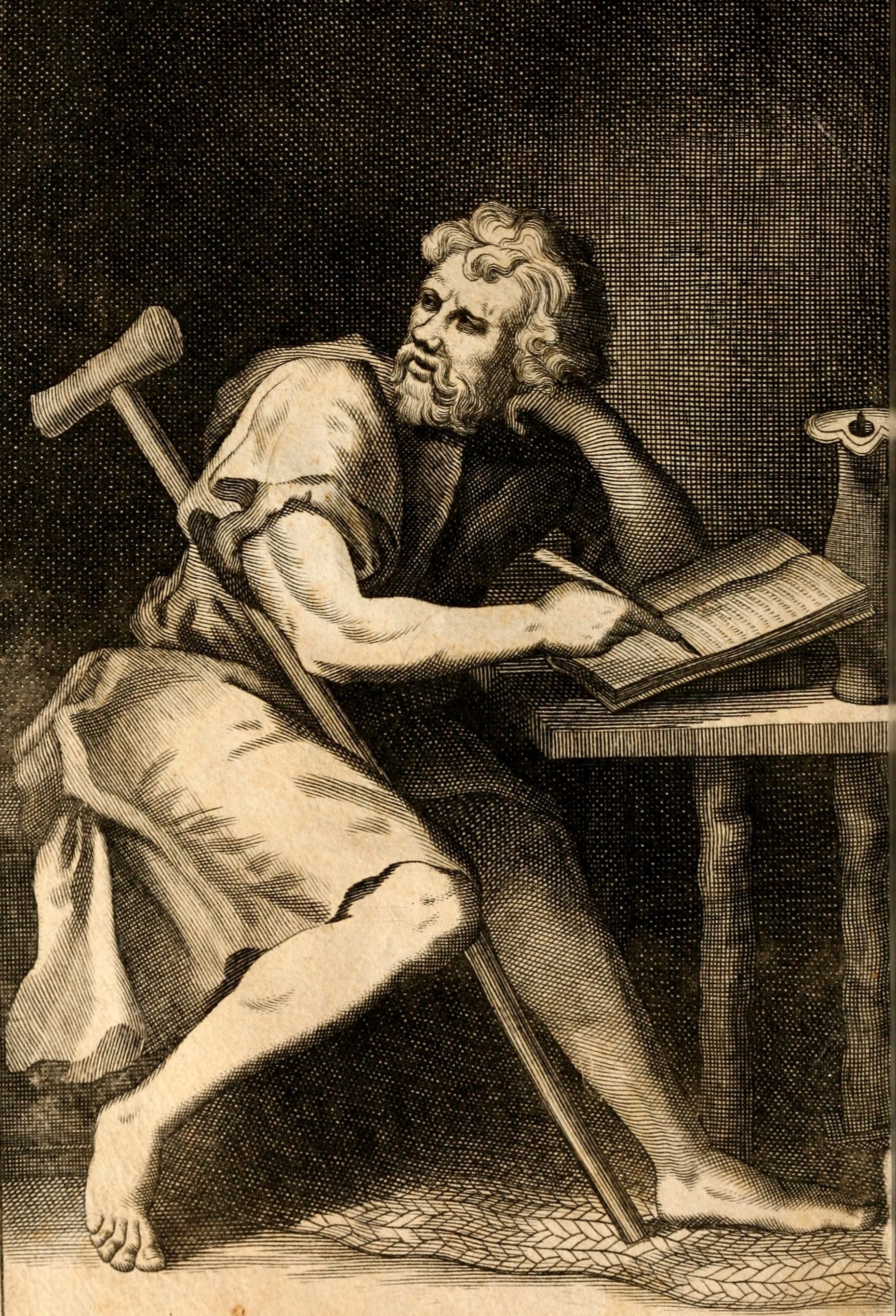
The Subtle Art of Restraint: Epictetus on Bodily Pleasures
Epictetus, the Stoic philosopher, offers a profound insight when he states, "As to pleasures of the body, indulge in them as little as possible." This admonition invites us to reflect on the nature of pleasure and its role in our lives. In a world that often equates happiness with indulgence, Epictetus challenges us to reconsider our relationship with physical pleasures, suggesting that moderation and restraint can lead to a deeper sense of fulfillment. The stakes are high; our capacity for joy and contentment may hinge on our ability to navigate the delicate balance between indulgence and discipline.
Delving deeper, we find that Epictetus's wisdom is not merely about denying ourselves pleasure but rather about cultivating a discerning approach to it. He encourages us to recognize that while bodily pleasures can be enticing, they often distract us from more profound, lasting sources of happiness. This perspective invites us to engage in a practice of mindfulness, where we assess our desires and their impact on our well-being. By indulging less, we may discover a richer tapestry of experiences that nourish our spirit rather than merely our senses.
The image / the metaphor
At first glance, Epictetus's quote evokes a stark image of restraint, where the pleasures of the body are likened to a tempting feast that one must approach with caution. The choice of the verb "indulge" suggests a conscious decision, implying that pleasure is not inherently negative but requires careful navigation. The phrase "as little as possible" further emphasizes the importance of moderation, urging us to be mindful of our consumption of physical delights. This imagery resonates with the Stoic ideal of self-control, where the body is seen as a vessel that should not be overindulged but rather respected and disciplined.
Digging deeper into the metaphor, we can see that Epictetus is not merely advocating for a life devoid of pleasure; instead, he is inviting us to engage with pleasure in a way that aligns with our higher values and aspirations. The metaphor of indulgence can be likened to a double-edged sword; while it can bring immediate gratification, it can also lead to dependence and distraction from our true purpose. By practicing restraint, we cultivate a sense of inner strength and clarity, allowing us to appreciate the beauty of life without becoming ensnared by its fleeting pleasures.
In the speaker's tradition
Epictetus's teachings are deeply rooted in the Stoic tradition, which emphasizes the importance of virtue, self-discipline, and the pursuit of wisdom. Central to Stoicism is the concept of *apatheia*, or freedom from passion, which encourages individuals to rise above the tumult of fleeting desires and emotions. This aligns with similar concepts found in other spiritual traditions, such as *dharma* in Buddhism, which advocates for a balanced approach to life, and *kenosis* in Christian thought, which speaks to the self-emptying of desires for a greater purpose. In this light, Epictetus's call for moderation becomes a pathway to a more profound understanding of oneself and the world.
In the *Enchiridion*, Epictetus elaborates on the importance of distinguishing between what is within our control and what is not. This distinction is crucial when considering bodily pleasures; while we may not control the allure of sensory experiences, we do control our responses to them. By practicing self-restraint, we align ourselves with the Stoic ideal of living in accordance with nature and reason, ultimately leading to a more harmonious existence. This perspective resonates with the teachings of other philosophical traditions that emphasize the cultivation of inner peace through disciplined living.
Living the teaching
Consider a modern scenario where this teaching might resonate: imagine a busy professional who finds solace in the indulgence of fine dining and extravagant vacations as a means of coping with stress. While these pleasures may provide temporary relief, they can also lead to a cycle of dependency that distracts from the deeper work of self-reflection and growth. By embracing Epictetus's wisdom, this individual might choose to explore simpler pleasures—perhaps cooking a meal at home or taking a walk in nature—finding joy in the act of creation rather than consumption. This shift not only fosters a sense of discipline but also opens the door to a more profound appreciation of life's subtler joys.
In relationships, the application of this teaching can be equally transformative. Imagine a couple who frequently seeks validation through lavish gifts and extravagant outings, believing that these gestures equate to love. By practicing restraint and focusing on the quality of their interactions rather than the quantity of their indulgences, they may discover a deeper connection rooted in shared experiences and emotional intimacy. This approach encourages them to cultivate a love that is not dependent on external pleasures but rather nourished by mutual respect, understanding, and genuine affection.
A reflection
As we contemplate Epictetus's exhortation to indulge in bodily pleasures as little as possible, we are invited to reflect on our own lives and the choices we make. What are the pleasures that we pursue, and how do they serve or hinder our growth? In this moment of introspection, consider this contemplative question: How might your life change if you approached pleasure with a sense of moderation and mindfulness, allowing space for deeper fulfillment beyond the immediate gratification of the senses?