Best Time to Visit Plum Village: A Seasonal Guide
Best Time to Visit Plum Village: A Seasonal Guide
Winter: The Quiet Heart of Practice
From December through February, Plum Village settles into its most contemplative rhythm. The plum orchards stand bare against pearl-gray skies, their skeletal branches a lesson in impermanence that the monastics know well. This is when the community turns inward, and the retreat center welcomes smaller groups—sometimes just forty or fifty practitioners compared to summer's crowds of two hundred or more.
Winter programs focus on deep practice: extended meditation sessions, Dharma sharing circles around wood-burning stoves, and walking meditation through frosted fields where your breath becomes visible prayer. The bare landscape suits those seeking solitude and intensive practice. The tea house conversations grow longer and more intimate. With fewer distractions, the monastery reveals its essential character—this is Plum Village at its most monastic, when the bells sound across emptier halls and the silence between them feels profound.
The Dordogne winter is genuine but manageable, with temperatures hovering between 2-8°C (35-46°F). Rain comes frequently, soft and persistent, and the occasional frost transforms the grounds into a study in stillness. Pack layers, waterproof boots, and an openness to gray skies as teachers. This season suits experienced practitioners and those craving depth over breadth, silence over community bustle.
Spring: Awakening Alongside Nature
March through May brings the transformation that gives Plum Village its name. The orchards explode into bloom—pink and white blossoms that fall like snow across walking meditation paths. The energy shifts palpably as the monastery awakens from winter's introspection. Programs expand to include mindfulness workshops alongside traditional retreats, and visitor numbers climb steadily as Easter approaches.
Spring weather in the Dordogne is famously unpredictable: mornings might start at 8°C (46°F) with mist hanging in the valleys, then warm to 20°C (68°F) by afternoon. Rain and sunshine alternate, sometimes within the same hour. But this changeability creates its own beauty—double rainbows over the Upper Hamlet, meditation halls flooded with unexpected light, the smell of wet earth during outdoor Dharma talks.
This season attracts first-timers drawn by the visual poetry of the landscape and the moderate group sizes (typically 100-150 people). There's room to breathe, but enough community to feel held. The energy balances contemplation with gentle joy—you'll witness nuns laughing as they work in awakening vegetable gardens, children's programs resuming as families return, the whole monastery participating in spring's obvious lesson about renewal.
Summer: The Fullness of Sangha
June through August represents Plum Village at maximum capacity and maximum vibrancy. The Summer Retreat, which runs for several weeks, draws practitioners from seventy countries. The gravel paths buzz with conversations in a dozen languages. Every meditation cushion fills. The dining halls serve hundreds at communal meals that feel like celebrations.
Summer here is warm—often 25-30°C (77-86°F)—with long, golden evenings perfect for outdoor Dharma talks under the stars. The plum trees heavy with fruit become living metaphors in teachings. Programs run the full spectrum: family retreats, specific workshops on topics from climate action to deep listening, monastic immersion experiences where you live the full schedule alongside the monks and nuns.
The trade-off for this abundance is obvious: you'll share the experience with many others. Bathrooms have lines, meditation halls feel packed, and finding solitude requires intention. But for those who thrive in community, who want to experience Thích Nhất Hạnh's vision of Engaged Buddhism in its fullest expression, summer delivers. The collective energy of two hundred people practicing together creates something undeniably powerful—a river of mindfulness you can't help but flow with.
Fall: The Golden Mean
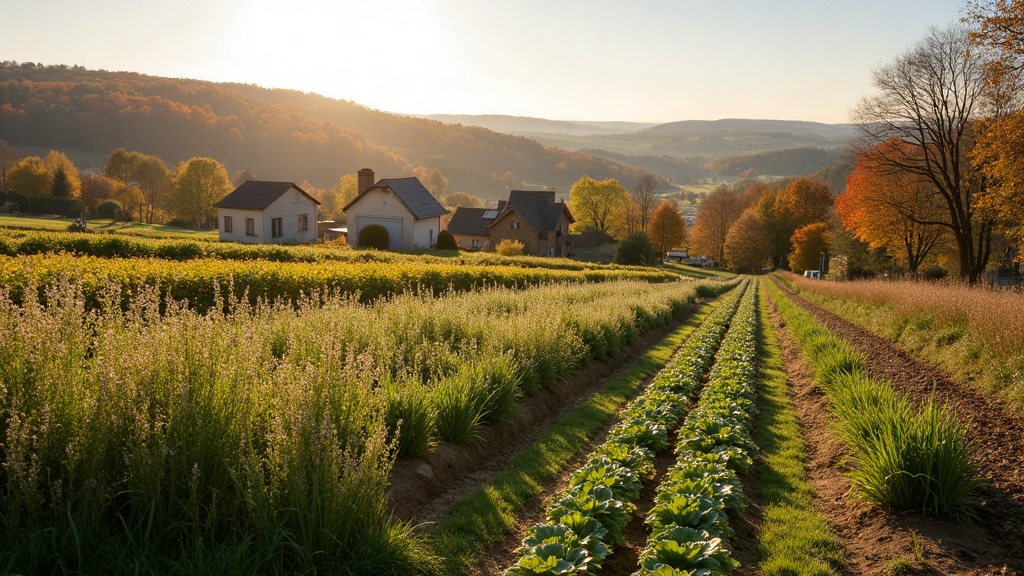
September through November may offer the most balanced Plum Village experience. The crowds thin as children return to school, but the center remains active with regular retreats and programs. The orchards turn gold and russet. Harvesting becomes communal meditation—plums gathered, preserved, shared.
Temperatures cool gradually, from comfortable 20°C (68°F) in early September to crisp 10°C (50°F) by November. The light takes on autumn's particular clarity, making even ordinary moments—tea meditation, walking between hamlets—feel somehow significant. Group sizes settle around 80-120 people, creating community without overwhelm.
Fall suits contemplatives who still want structure, introverts who need some company, and anyone drawn to practice infused with harvest metaphors about reaping what we sow in our lives.
Choosing Your Window
For first-timers, the shoulder seasons—particularly late April through May and September through mid-October—often prove the sweet spot. You'll experience Plum Village's programs without summer intensity, encounter genuine community without winter's sparse attendance, and witness the landscape during its most photogenic moments. The weather cooperates more often than not, and the monastery holds that perfect balance between spaciousness and connection that allows both deep practice and meaningful encounters with fellow practitioners from around the world.