Best Time to Visit Drala Mountain Center: A Seasonal Guide
Best Time to Visit Drala Mountain Center: A Seasonal Guide
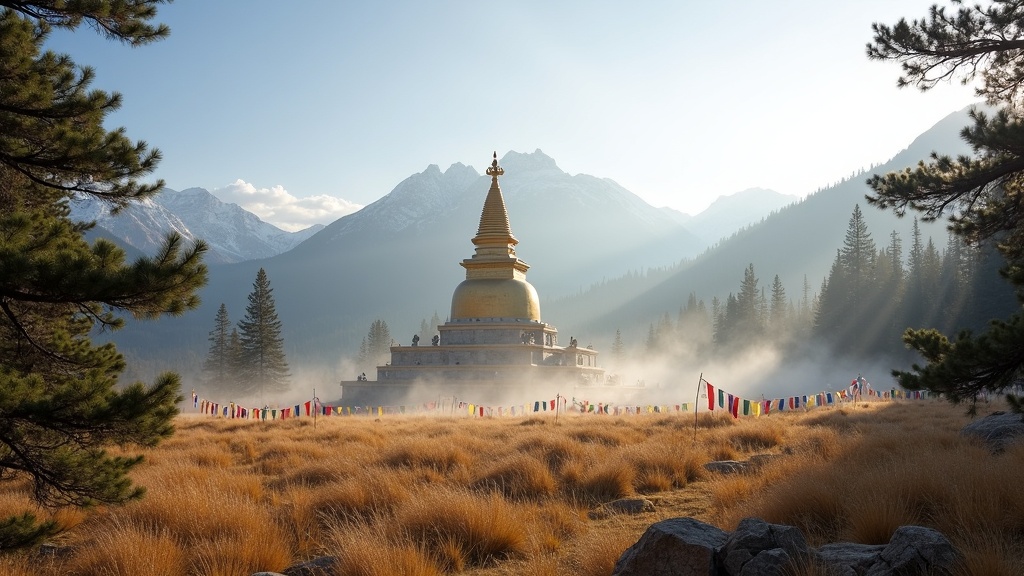
Perched at 8,600 feet in the Colorado Rockies, Drala Mountain Center experiences the mountains' moods in full. The Great Stupa gleams differently in June sun than November snow, and the ponderosa forest that frames the property shifts from frozen silence to rustling green abundance as the year turns. When you visit shapes not just what you'll see, but who you'll practice alongside and how the altitude will feel in your lungs.
Winter: Solitude and Stillness (December–February)
Winter at Drala Mountain is spare and unforgiving in the most clarifying way. Temperatures regularly dip below zero, and snow can close the access road for days at a time. The center runs a limited winter program schedule—typically focused on intensive meditation retreats for experienced practitioners willing to sit in a cold shrine room while wind rattles the windows. This is the quietest season, with far fewer visitors than summer's peak, and that emptiness becomes part of the practice itself.
The landscape turns monochrome: white meadows, dark pines, the golden stupa brilliant against gray sky. Paths require snowshoes. The thin air feels thinner in the cold. This season suits those drawn to austerity, to practicing without distraction or comfort, to the kind of retreat where you might go days seeing the same eight people at meals. If you crave warmth, ease, or a gentle introduction to mountain practice, winter is not your season. But for contemplatives who want the mountain at its most unadorned, December through February offers a rare intimacy with the land.
Spring: Mud Season and Reawakening (March–May)
Spring arrives late and reluctantly at 8,600 feet. March often brings the heaviest snows of the year. April means mud—thick, boot-sucking mud as snowmelt saturates the unpaved roads and trails. May begins the genuine thaw, with wildflowers emerging in the meadows and migratory birds returning to the valley.
The program calendar starts to fill out during these months, with weekend workshops and week-long retreats returning to the schedule. You'll find a mix of serious practitioners and newcomers testing the waters before committing to a longer summer program. The community feels mid-sized—present but not crowded. Spring suits those comfortable with unpredictable weather and willing to trade mud for lower prices and more availability in the accommodations. The landscape's transition from dormancy to life mirrors the internal work many come here to do, making this a symbolically rich time to visit despite the meteorological messiness.
Summer: Peak Season and Full Programming (June–August)
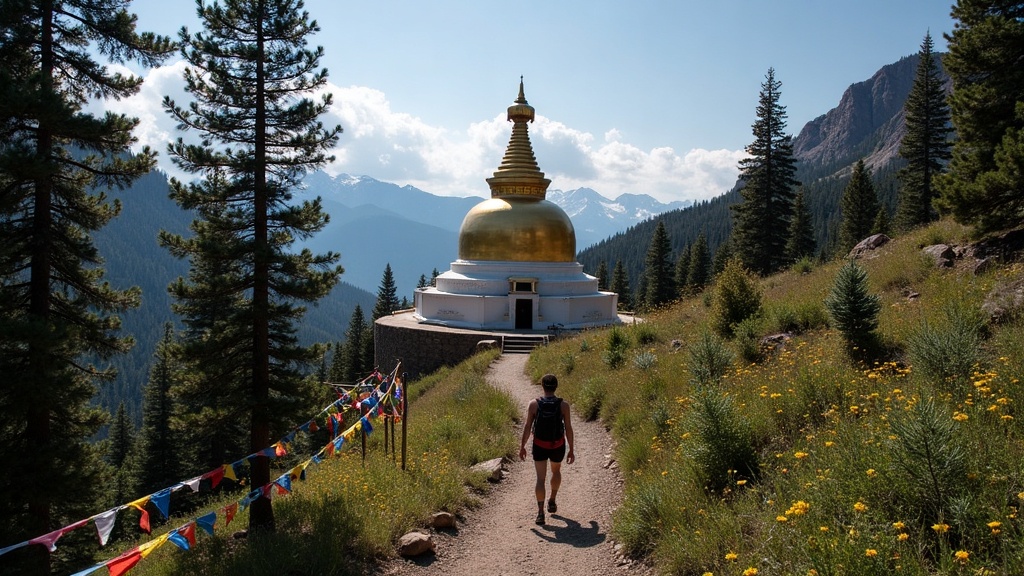
Summer transforms Drala Mountain into its busiest, most accessible self. Temperatures climb into the 70s and occasionally 80s during the day, though nights remain cool enough for blankets. The meadow around the stupa erupts in lupine, Indian paintbrush, and arnica. Thunderstorms roll through most afternoons with dramatic reliability, clearing by evening to reveal profound starfields.
This is when the center runs its fullest programming slate: long meditation retreats, Buddhist study courses, family programs, and workshops that blend contemplative practice with creative arts or ecology. The population swells. Meal times in the dining hall buzz with conversation. Paths between buildings carry steady foot traffic. For first-timers wanting structured support, teaching, and community, summer offers the richest resources. For solitude-seekers, it can feel crowded. The trade-off is real: you gain accessibility, instruction, and fellow travelers, but you lose the intimate quiet that defines other seasons.
Fall: The Golden Season (September–November)
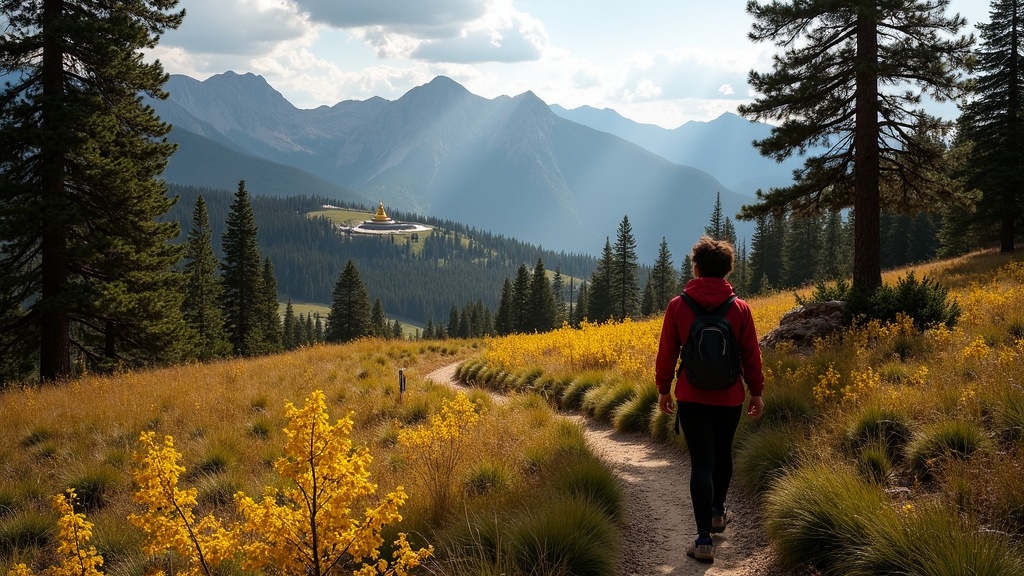
Many who know Drala Mountain best will tell you autumn is the secret treasure. September and October bring aspen gold blazing through the pine forest, crystalline light, and temperatures that hover in that perfect cool-but-not-cold range. Programs continue through October, then taper as November brings the first serious snows and the center begins its winter contraction.
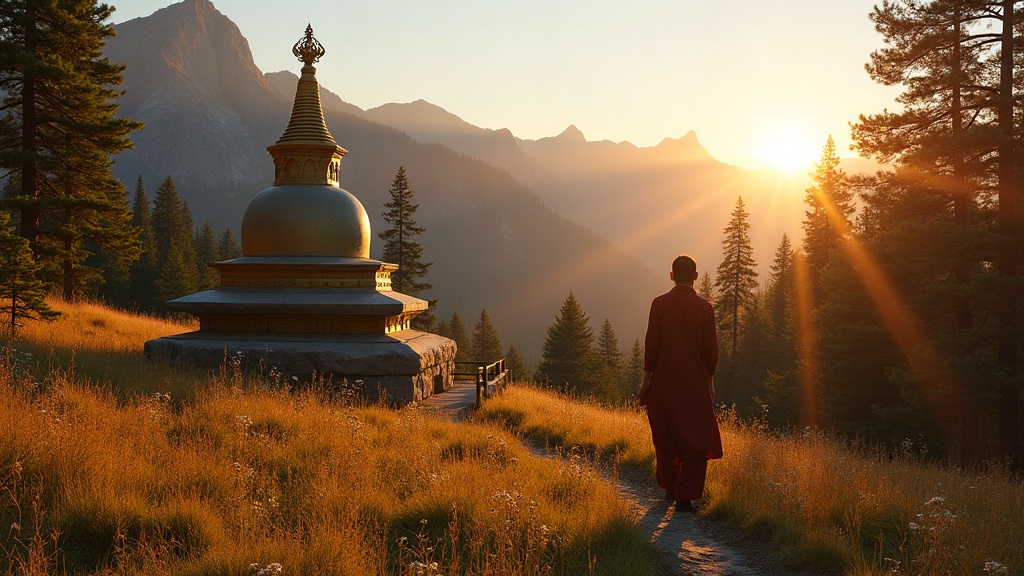
Fall attendance sits comfortably between summer's peak and winter's near-emptiness. You'll have company but not crowds. The quality of light during meditation sessions takes on an amber richness. Elk bugle in the surrounding national forest. This season suits contemplatives who want both community and spaciousness, who appreciate beauty without needing everything to be lush and easy.
Choosing Your Window
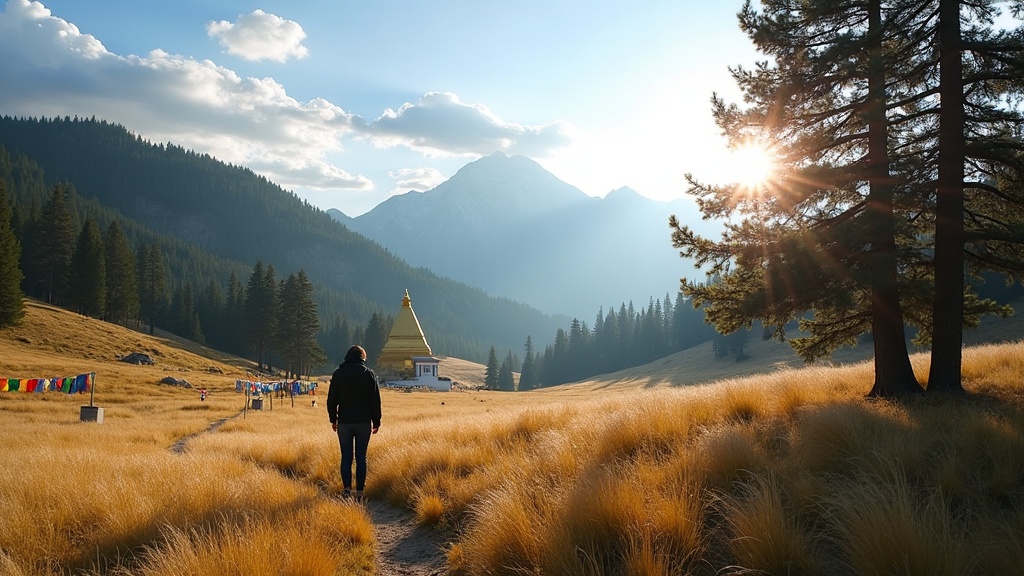
For first-time visitors uncertain about diving into intensive retreat, the shoulder seasons—late May, September, and early October—offer the sweet spot. Weather is manageable, programs run regularly, and the center holds enough practitioners to feel alive without overwhelming. You'll experience the mountain's beauty and the community's rhythm without the extremes of winter isolation or summer crowds.
Red Feather Lakes sits in high, dry country where weather shifts fast and altitude affects everyone differently. Whatever season calls to you, pack layers, bring sunscreen even in winter, and arrive hydrated. The mountain will meet you as you are, but it won't coddle you. That's precisely the point.