
The Wong Janice
Cellist · Amsterdam, Netherlands
À propos
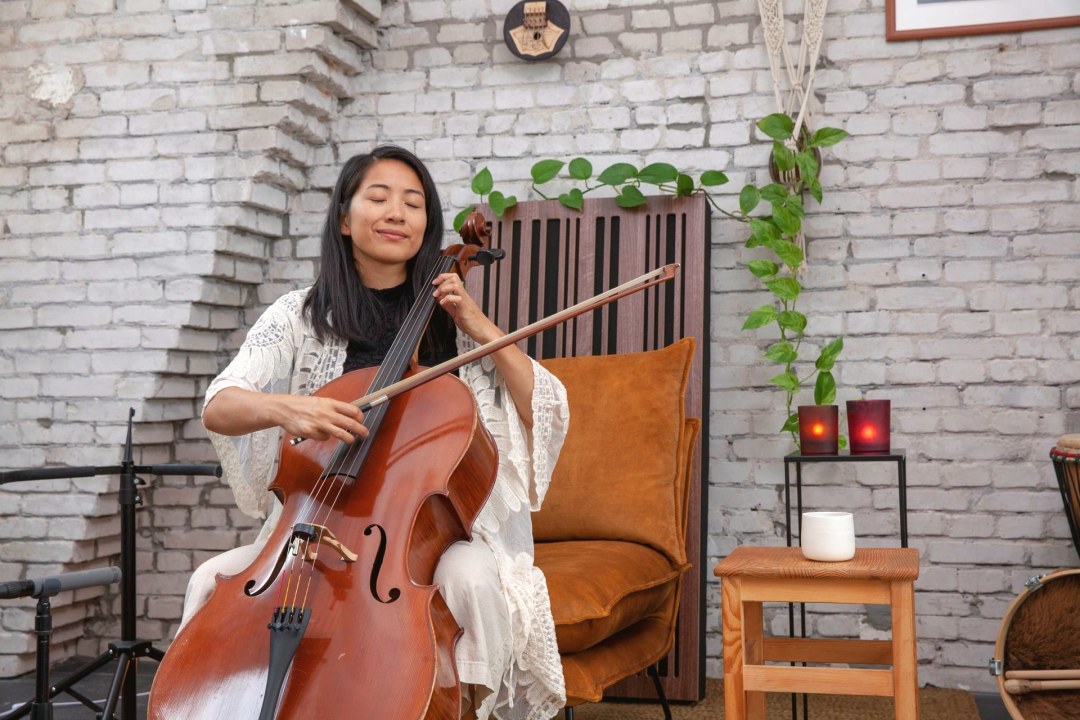
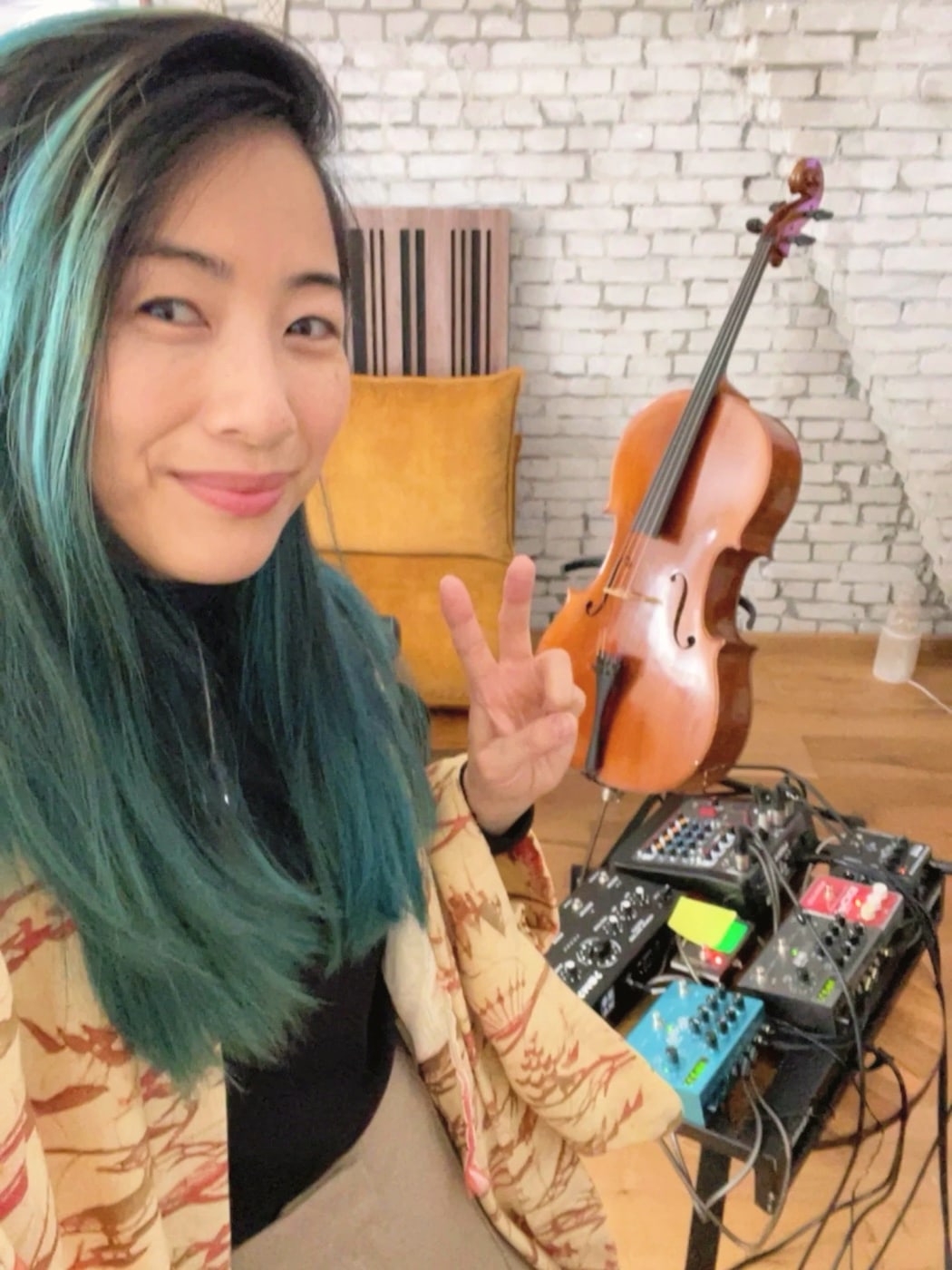
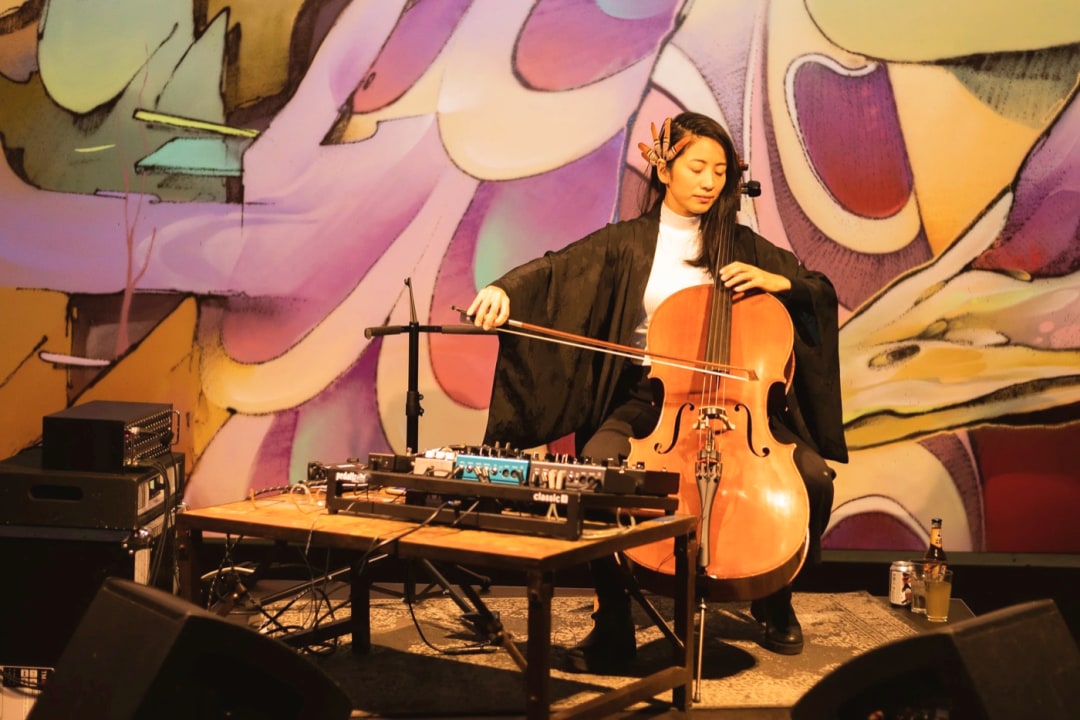
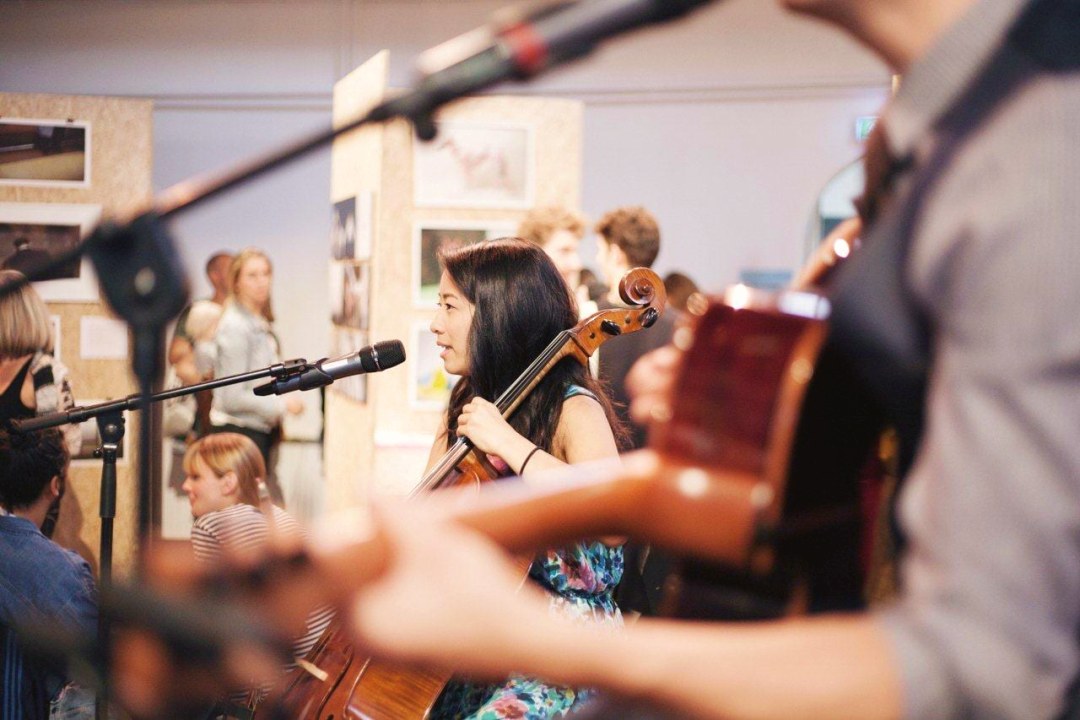
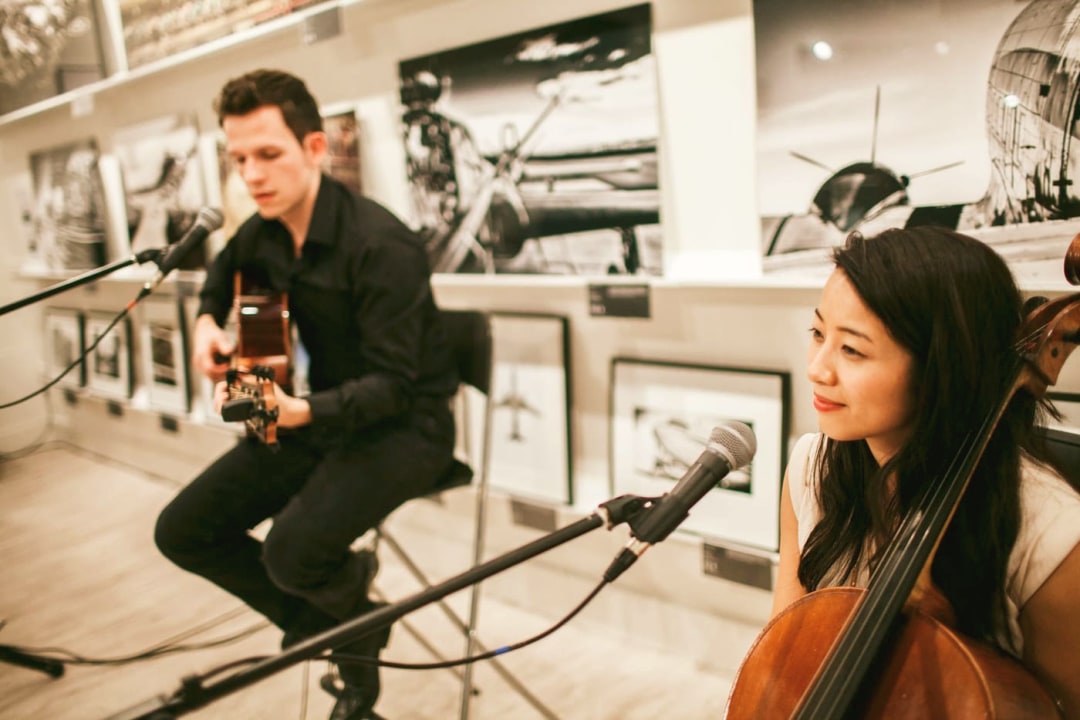
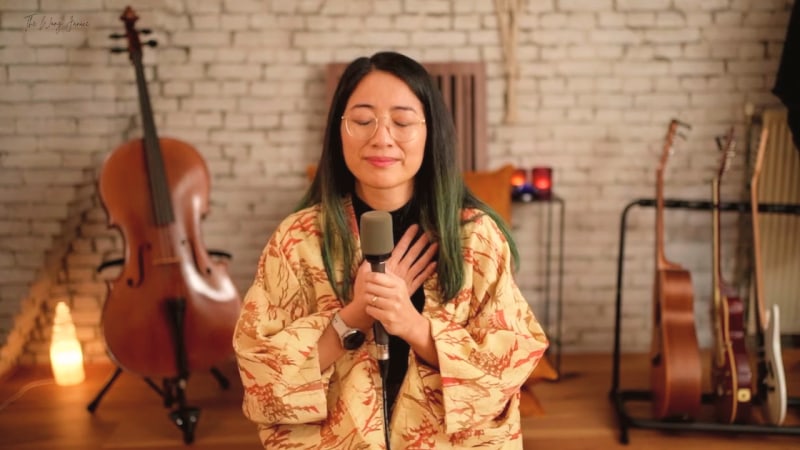
The Wong Janice is a cellist and composer of ambient cello meditation music, based in Amsterdam, The Netherlands. Her work is built around one idea: to be free. Through layered soundscapes made with cello, effect pedals and loop machines, she invites listeners to release the mind's burdens and turn inward.
The Wong Janice is a cellist and composer of ambient cello meditation music, based in Amsterdam, The Netherlands. Her work is built around one idea: to be free. Through layered soundscapes made with cello, effect pedals and loop machines, she invites listeners to release the mind's burdens and turn inward.
Her sound comes from an improvised "flow" state in which conscious thought recedes and the music is channeled through her. She compares it to her passion for inline blading and speed skating, where full presence allows an effortless glide. She began as a classical cellist and worked in marketing and social media, as a community manager, before a ten-day Vipassana silent meditation course in 2016 changed her direction. There she learned that we hold the keys to our own shackles, and she chose freedom as the central pillar of her life.
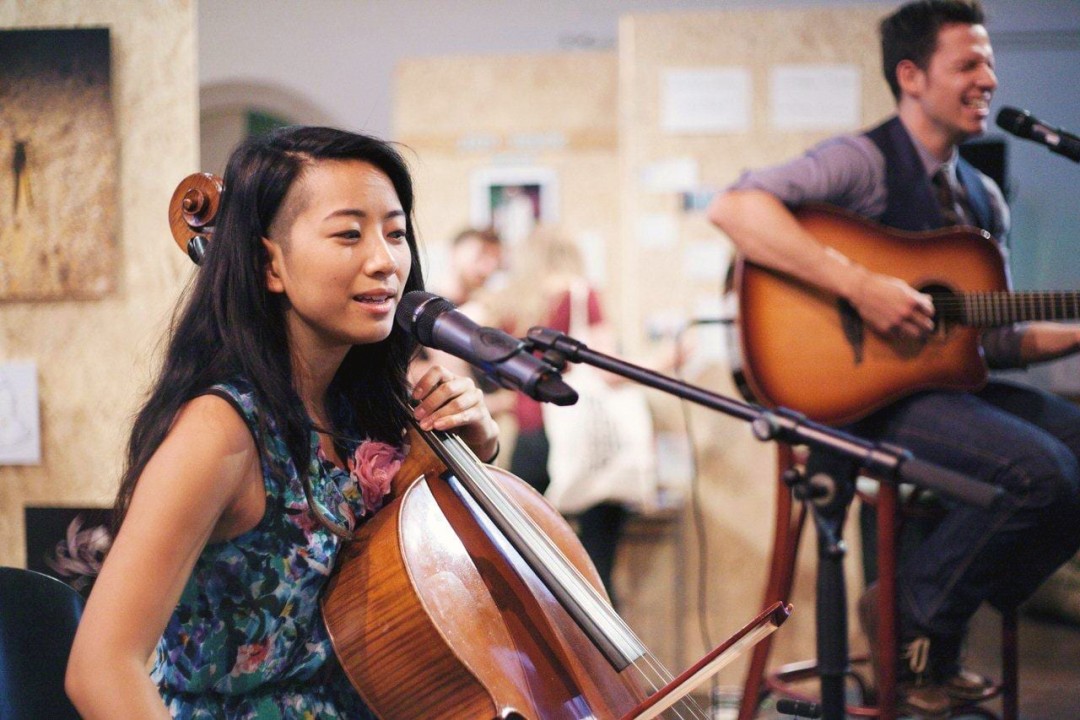
After losing her job in a company restructure, she studied at Abbey Road Institute in Amsterdam and graduated in 2018 on the stage at Abbey Road Studios in London. She had played in bands and as a session musician, performing with Imogen Heap, Michael Kiwanuka and RY X. She eventually found her way back to making music that helps others find stillness and healing.
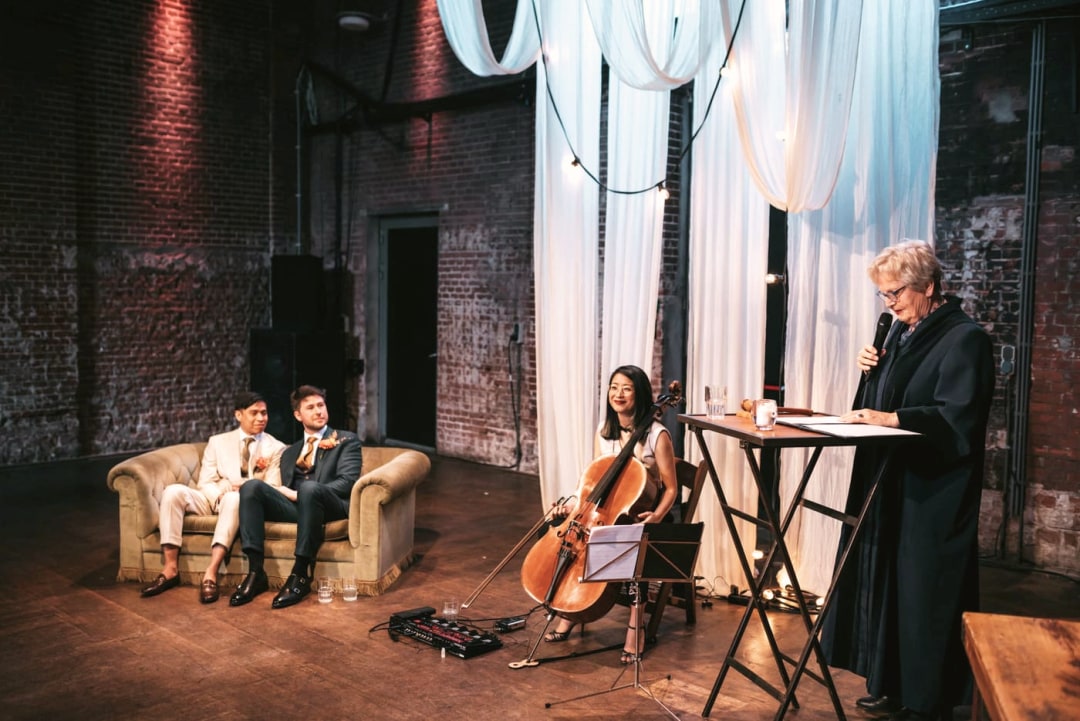
During the pandemic she pioneered the virtual cello meditation concert, delivering over 200 corporate wellness sessions and more than 100 ticketed public concerts. Forbes featured the format. Her clients include Google, McKinsey & Company, Facebook, Target, Shopify and the Federal Reserve Bank. She has also performed at TEDxAmsterdam, Amsterdam Dance Event and Down The Rabbit Hole, where she led a morning meditation with RY X and Michelle de Bruijn.
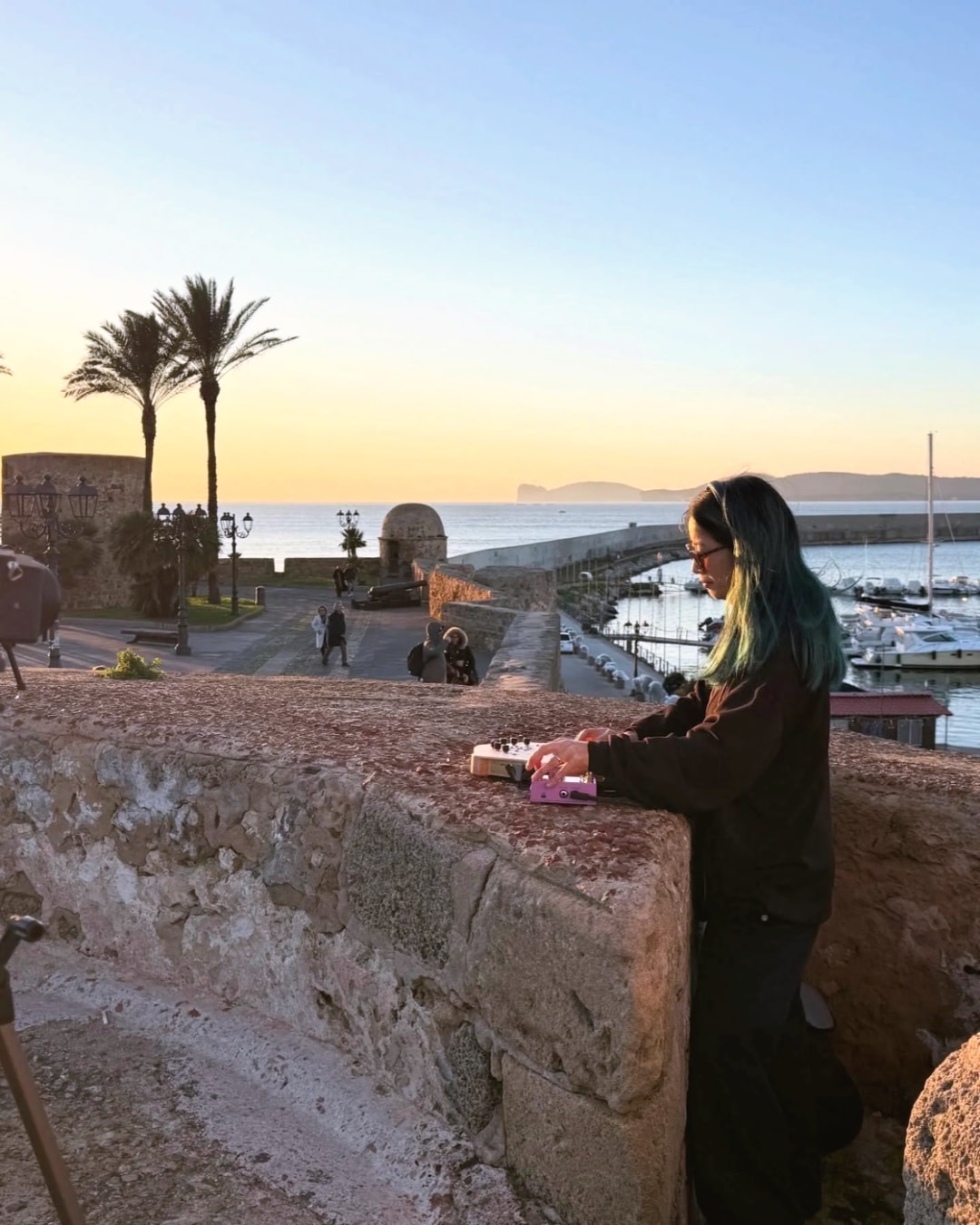
Her album Cello and Water Meditations: Music for the Tao grew from field recordings along the coastlines and inland of Sardinia and was recorded in a secluded cabin in the Dutch countryside. It was submitted for Grammy consideration in the Best New Age, Ambient or Chant Album category. Her biggest joy is helping people around the world connect to their inner peace and freedom through music.


FAQ
Questions
The Wong Janice is an Amsterdam-based cellist and composer whose improvised ambient cello meditation music—built from layered loops, effect pedals, and real-time improvisation—has become a touchstone for listeners seeking to quiet the mind without resorting to new-age cliché. What sets her apart is the specificity of her vision: she doesn't make ambient music that happens to be meditative; she composes directly from a flow state where conscious thought recedes and the music channels through her instrument, a discipline she compares to the effortless glide of speed skating or inline blading—total presence, zero friction. Her work moved into the mainstream during the pandemic when she pioneered the virtual cello meditation concert, delivering over 200 corporate wellness sessions (for clients like Google, McKinsey, Facebook, and the Federal Reserve Bank) and over 100 ticketed public concerts, a format Forbes covered. Listeners care because her music meets them at the intersection of rigor—she studied at Abbey Road Institute and has session experience with artists like Michael Kiwanuka, Imogen Heap, and RY X—and genuine spiritual intent rooted in her transformative 2016 Vipassana meditation retreat. She's not a commercial ambient producer repurposing stock textures; she's a trained musician who chose this path deliberately, and that integrity radiates through her catalog.
The Wong Janice's practice draws from Vipassana meditation tradition, specifically the 10-day silent meditation course she attended in 2016 that fundamentally redirected her life and music. That lineage emphasizes direct observation of mind and body without judgment—a practice of turning inward and releasing habitual patterns—and her music is designed as a sonic container for exactly that inner work. Her sound sits at the intersection of ambient composition and cello improvisation, closer to the drone-based traditions of Indian classical music (where long tones and subtle harmonic shifts create meditative depth) than to Western new-age conventions. She pairs this with contemporary sound engineering—loop machines, effect pedals, field recording—making her lineage hybrid: ancient contemplative practice married to 21st-century studio technique. In that sense, she's part of a lineage of artists like Pauline Oliveros (sonic meditation through improvisation) and Alvin Lucier (composition as an invitation to listen), though her instrument choice and explicit spiritual intent make her work immediately distinctive. Her philosophy of freedom—"we hold the keys to our own shackles"—learned during that 2016 retreat, is the throughline connecting her classical training to her meditative work.
Start with *Cello and Water Meditations: Music for the Tao* (2025, 16 tracks), her most fully realized and thematically coherent album. It grew from field recordings she made along the coastlines and inland of Sardinia, then refined in a secluded cabin in the Dutch countryside, giving the album both geographic specificity and production intimacy that draws listeners in immediately. The album was submitted for Grammy consideration in the Best New Age, Ambient or Chant Album category, a recognition that situates it as serious compositional work, not mere background music. After that album, newcomers often gravitate toward her zodiac-aligned meditation series—twelve albums released monthly throughout 2026, each corresponding to an astrological sign, with four tracks per album—which operate like a structured entry point if you want a smaller commitment or if you're drawn to the symbolic framing. From there, explore her singles and cover reinterpretations (like the cello versions of "Zombie" and "Losing My Religion") to hear how she adapts material beyond her original compositions. Her website (thewongjanice.com) and Spotify (379,700 followers) both offer curated playlists and context that help listeners understand her evolution, and both platforms allow you to preview tracks before committing to full albums.
Most ambient cellists treat the instrument as a texture provider—a warm, round tone layered into pads and drones—but The Wong Janice uses the cello as an improvisation partner with agency, one that responds to and shapes the loop architecture in real time. She doesn't pre-compose to a metronome or backing track; instead, she builds layered soundscapes through improvisation in flow state, meaning each performance carries improvisational DNA even when recorded and refined in studio. Her training as a classical musician (evident in her technical execution and historical awareness) combined with her formal sound engineering education at Abbey Road Institute gives her an advantage in production clarity that many ambient instrumentalists lack—her loops are precise, her effects are sculpted, her field recording integration (as in *Cello and Water Meditations*) is compositionally integrated, not decorative. Additionally, her explicit corporate wellness and Vipassana background distinguishes her intent; she's not making ambient music for passive consumption but for active inner work, which manifests in track lengths (many sit between 5-10 minutes, long enough to support genuine meditation practice) and structural restraint. Finally, her willingness to cover canonical songs and perform at high-profile venues (TEDxAmsterdam, Amsterdam Dance Event, Down The Rabbit Hole) positions her as a bridge between the contemplative and the mainstream—a cellist equally at home leading a silent meditation retreat or performing at a cultural festival.
The Wong Janice's music is not for listeners seeking high-energy, rhythmically propulsive material; her work is fundamentally slow, spacious, and contemplative, which means anyone craving percussion, driving beats, or harmonic complexity will find it under-stimulating. Her cello-centered aesthetic, while distinctive, also means there's limited melodic variety within tracks—listeners accustomed to song-based structures with vocals, lyrical storytelling, and dynamic shifts from verse to chorus will experience her albums as static or meditative (depending on their patience). The corporate wellness context, while genuine, can create an expectation mismatch: people seeking a secular, scientifically-grounded stress-reduction tool might bristle at the spiritual framing (Vipassana lineage, zodiac meditation series) that threads through her work, even though her music is accessible to any listener regardless of belief system. Her improvisation-based approach also means there's less conventional "songwriting" architecture, so listeners who prize memorable hooks or harmonic progressions will find less to latch onto. Additionally, anyone uncomfortable with the implied connection between astrology and meditation might view the zodiac series as incompatible with secular or strictly Buddhist approaches to mindfulness. Finally, listeners seeking cello music for active enjoyment—classical concertos, chamber music, or virtuosic performance—will find her work too minimal and too focused on the meditative container rather than the instrument's traditional expressive range.
The Wong Janice maintains a presence on multiple streaming platforms (Spotify: 379,700 followers, Apple Music, YouTube), where her latest releases appear chronologically as she publishes them, making these services the primary real-time notification system for new albums and singles. Her personal website, thewongjanice.com, serves as the central hub for announcements, including upcoming performance dates, new album releases, and retreat or workshop information, though current public tour dates are not visibly listed in this directory. She's most active on Spotify and YouTube for listening access, but artists typically share tour announcements on Instagram, email newsletters, and their official site first, so checking thewongjanice.com regularly and enabling notifications on Spotify ensures you won't miss new zodiac albums or performance bookings. During 2025-2026, she's been releasing monthly zodiac meditation albums in a consistent pattern (one per calendar month), suggesting an ongoing rhythm to follow and a practical reason to re-engage with her catalog on a predictable schedule. For corporate wellness sessions, performance inquiries, or retreat attendance, direct contact through her website is the best route, as these offerings often aren't publicly listed but are available to serious students or institutional partners interested in booking her. Given her pandemic-era innovation with virtual cello meditation concerts, she may also reactivate streaming or online session options, making her website the most reliable way to track such developments.
The Wong Janice's music is cello-only or cello-centered, recorded with effect pedals and loop machines that layer her own playing into richly textured soundscapes without synthesizers, drums, or vocal accompaniment—think Brian Eno's ambient approach but built from a single, bowed string instrument rather than electronic pads. Her voice as a performer favors sustained tones, slow bow work, and minimal vibrato, creating a sound that's austere and focused rather than lush or romantic; listeners often describe it as meditative because it rewards close listening and tolerates silence within phrases. The pacing is deliberately static, with individual tracks often running 5-12 minutes of continuous, gently evolving texture—there are no sudden shifts, climaxes, or dramatic resolutions, which means the experience is accumulative rather than narrative. Her loop work creates a kind of "living drone" effect where the same harmonic material persists but subtly transforms through layering and effect modulation, inviting the listener's attention inward rather than outward. On *Cello and Water Meditations: Music for the Tao*, she also incorporates field recordings—water sounds, ambient environment—which give the album a geographical and naturalistic grounding, though this is textural enrichment rather than the primary compositional voice. The overall aesthetic is restraint, emptiness, and clarity: music designed to occupy mental space without demanding it, challenging the listener's willingness to sit with minimal stimulation and find depth there.
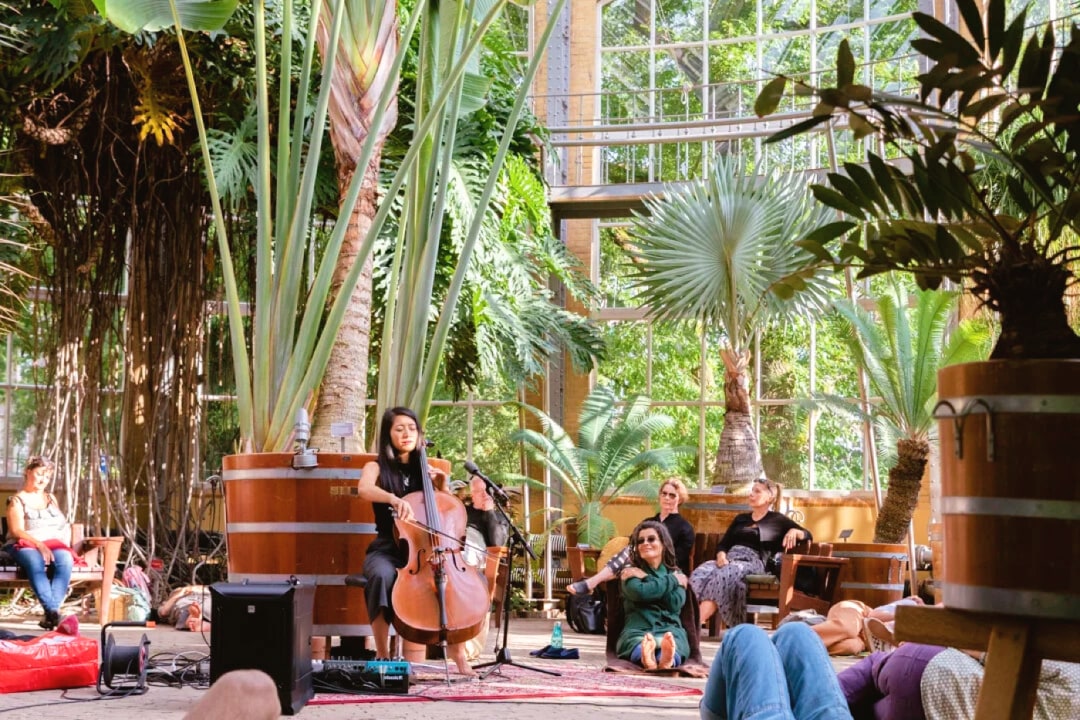
*Cello and Water Meditations: Music for the Tao* (2025) is her landmark full-length album and the best single entry point—sixteen tracks of mature composition, Grammy-considered, built from genuine field work in Sardinia and cabin recording in the Dutch countryside, it represents her artistic statement at full scale. The zodiac meditation series (Capricorn through Virgo, all 2026) shows her working with structural constraint—twelve albums, each four tracks, each aligned to an astrological sign—which is an interesting compositional challenge and allows listeners to engage with her ongoing output on a manageable monthly schedule. Beyond these, her singles and cover interpretations (*Losing My Religion*, the two *Zombie* versions—one with piano, one with guitar) reveal her willingness to work outside pure meditation material and test how her aesthetic adapts to canonical songs, showing range and interpretive sophistication. *Live at Hortus Botanicus* (December 2025) captures a performance in the Amsterdam botanical garden, offering a live-session dimension to her usual studio recordings. Earlier singles like *Cello Music for Meditation (Drones)* and *Cello Music for Sleep (Drones)* (both 2025) provide specifically targeted listening contexts (wakefulness vs. sleep), useful for listeners with particular use cases. Her discography is remarkably cohesive—there are no significant stylistic departures or experimental failures—so depth comes through repeated listening rather than genre-hopping.
The Wong Janice's primary instrument is the cello, which serves as both the melodic voice and the texture generator for her layered compositions; she plays it exclusively in her original meditative work, using effect pedals and loop machines to build the soundscape rather than adding other instrumentalists. Her production and technical execution reflect training at Abbey Road Institute, and her sound engineering knowledge gives her the capacity to manipulate and layer her own playing in sophisticated ways that most cellists without formal production training cannot achieve. In her session and collaborative past, she has worked with established artists including Michael Kiwanuka, Imogen Heap, and RY X, performing as a contributing instrumentalist rather than a leader, which speaks to her versatility and the respect she commands as a session player. On her cover work—notably the *Zombie* arrangements—she has collaborated with pianists and guitarists, but these remain the exception rather than the rule in her published discography. For her corporate wellness sessions and public performances, she often performs solo with her cello and effects setup, though she has led group meditations with collaborators like Michelle de Bruijn (documented in her performance at Down The Rabbit Hole festival). Her aesthetic preference is for spaciousness and sonic clarity, which means she rarely adds additional instrumental voices to her original work; the cello, paired with her technical mastery of looping and effects, provides sufficient textural depth.
Yes—in fact, her entire catalog is designed for contemplative practice, but she has explicitly labeled and sequenced albums for specific use cases: *Cello Music for Meditation (Drones)* (2025) and *Cello Music for Sleep (Drones)* (2025) are her most overt meditative tools, with drone-based compositions structured to support those specific mental states. Her landmark album *Cello and Water Meditations: Music for the Tao* is built around Taoist philosophy and the metaphorical work of water and earth, making it particularly well-suited for silent sitting practice or walking meditation; listeners often report using it as a backdrop for Vipassana sessions given her personal grounding in that lineage. The zodiac meditation series, by design, aligns to astrological energies (each sign has distinct qualities), so practitioners who work with astrology might select their birth-sign album or the current month's album as a focused meditation tool. Tracks like *"Stream: Be Humble Without Ego"* and *"Rain: Give Unconditionally"* explicitly name contemplative virtues, suggesting their intended use in virtue-focused or heart-centered practice. For ceremony, her performance at Down The Rabbit Hole festival (where she led a morning meditation with RY X and Michelle de Bruijn) demonstrates her capacity to hold sacred space in group settings, though her albums themselves are designed for solo intimate practice rather than group ritual contexts. If you're looking for meditation music, start with *Cello and Water Meditations* or the current-month zodiac album; if you're seeking sleep support, *Cello Music for Sleep (Drones)* is the explicit choice.


C’est vous ? Revendiquer cette page ›
There's more where this came from.
BrightStar is the global directory of artists, teachers, and healers in the wellness and spiritual movement. Find your next experience — or add yourself.
Discover More Artists
Browse 14,000+ curated profiles across kirtan, yoga, meditation, and beyond.
Explore directory →Find an Event Near You
Kirtan, retreats, sound baths, breathwork, ceremonies — happening this week.
Browse events →Add Your Profile
Are you an artist, teacher, or healer? Get listed — free, AI-assisted, live in minutes.
Get started →