Coming Up
Coming Up




Zen Master · Jerusalem, Israel
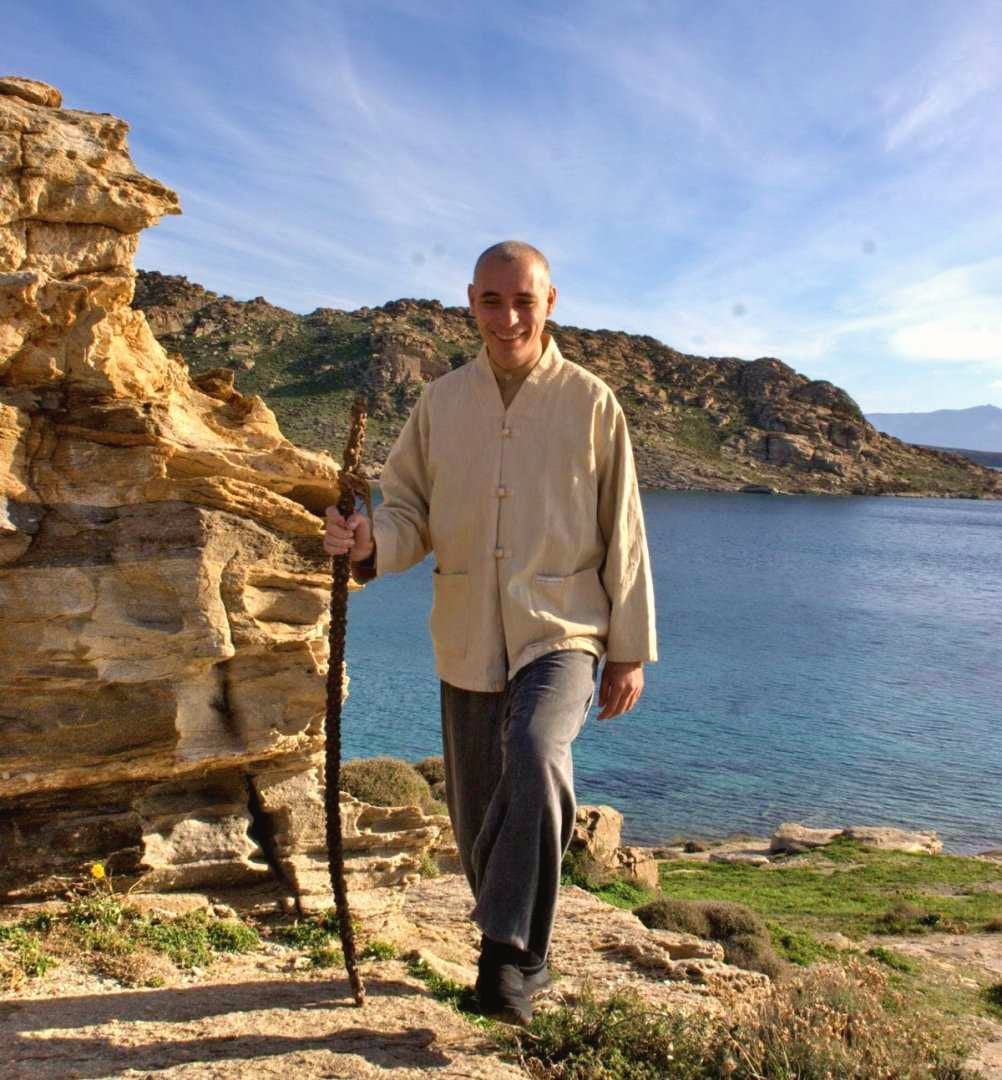
Nissim Amon is an Israeli Zen master, meditation teacher and the developer of Trilotherapy. He was born in Jerusalem in 1963 and served in the IDF as a fighter in the Nahal Brigade, taking part in the First Lebanon War. After his service he travelled to the Far East, where he met Buddhism.
Nissim Amon is an Israeli Zen master, meditation teacher and the developer of Trilotherapy. He was born in Jerusalem in 1963 and served in the IDF as a fighter in the Nahal Brigade, taking part in the First Lebanon War. After his service he travelled to the Far East, where he met Buddhism.
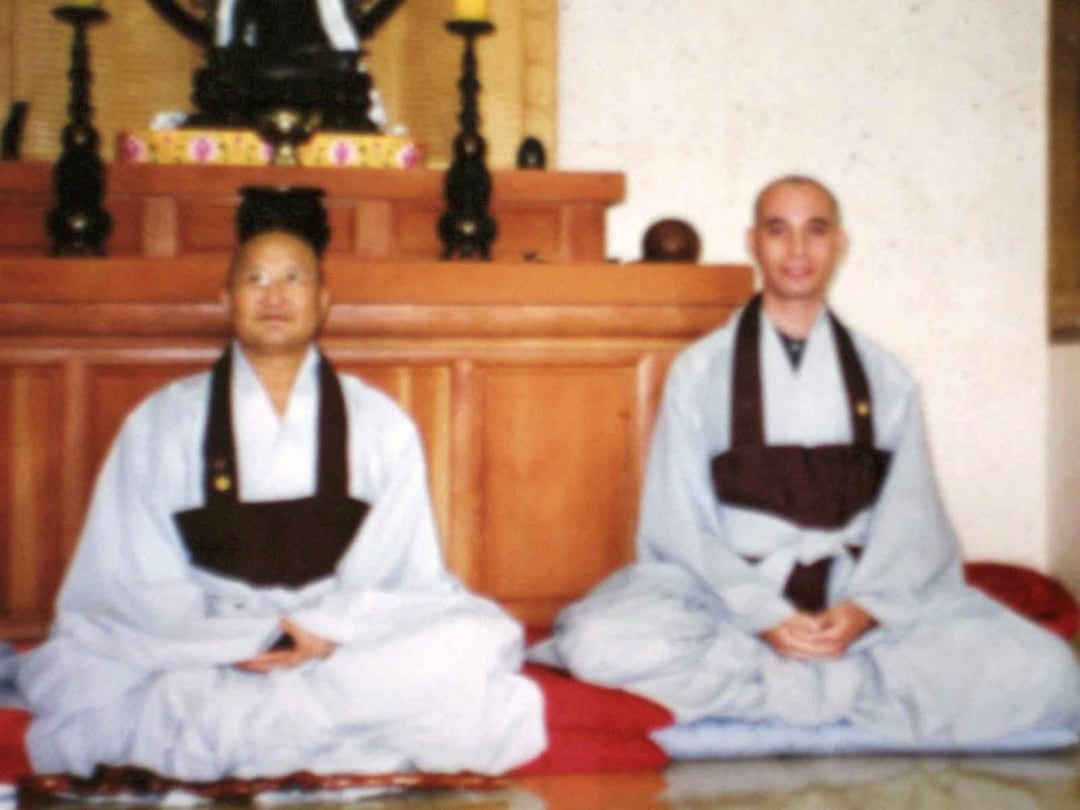
He joined the Hwa Gye Sa-style path of a monk in Korea, studying under Zen Master Seung Sahn, and later went to Japan as a student of Zen Master Nishijima of the Soto Zen order, from whom he learned the principles of the Dharma and received certification as a Zen master. As a wandering monk he also studied in the forest monasteries of Thailand and in Tibetan monasteries in India and Nepal. He completed his training in Pune, India, at Osho's centre, where he taught Zen for a year and encountered methods for healing emotional wounds as a way to inner balance.
Back in Israel, he founded the high-consciousness track at Medison College and taught there for six years. From 2001 to 2008 he and his wife Merav lived on the Greek island of Paros, where he founded the Tao's meditation and workshop centre. Two of his children were born during those years, and he completed the development of Trilotherapy, an approach that bridges the rational and emotional voices within us and awakens the true self.
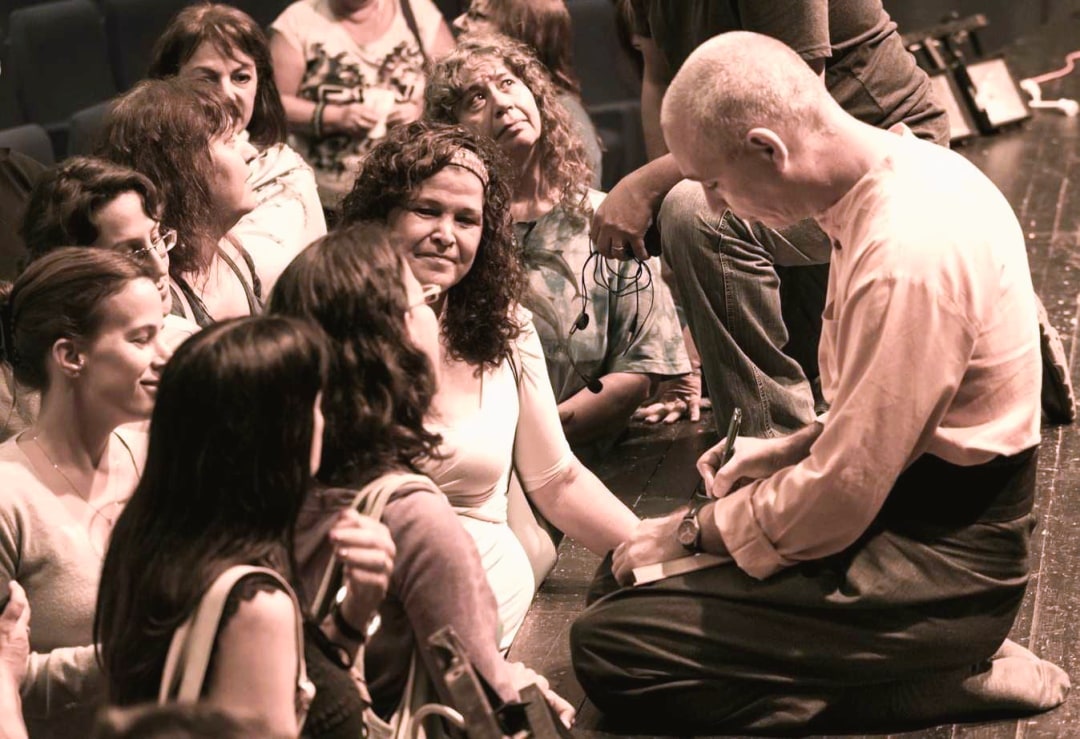
Today Nissim heads the School of Trilotherapy, which offers advanced certificate studies in personal development and the training of Trilotherapy guides. He leads lectures and workshops in Israel and abroad on the secret of inner happiness, and has trained groups in Canada as well. He has hosted an Israeli television series and a radio programme. His books include Eastern Wisdom, The Secret of Inner Happiness and a translation of the Book of Tao, alongside a CD of guided meditations.
Nissim Amon is an Israeli Zen master and meditation teacher whose training spans five different Buddhist and contemplative traditions across three continents—a path that culminated in his development of Trilotherapy, a psychological and spiritual method for emotional healing and access to inner happiness. Born in Jerusalem in 1963 and educated at monasteries in Korea under Zen Master Seung Sahn, Japan under Zen Master Nishijima of the Soto Zen lineage, Thailand's forest monasteries, and Tibetan centers in India and Nepal, Amon brought an unusually eclectic grounding to his work. He also trained at Osho's ashram in Pune, India, where he taught Zen and encountered somatic approaches to emotional integration. Today he leads the School of Trilotherapy, which offers advanced certificate training in personal development, and conducts lectures and workshops throughout Israel and internationally on the neuromystical principles behind inner happiness. His influence extends to television and radio in Israel, and he has trained facilitator groups in Canada. People care about his work because he bridges disparate traditions into a unified approach—neither purely intellectual nor purely devotional, but grounded in lived monastic training.
Nissim Amon's lineage is genuinely syncretic, drawing certification from multiple Zen masters rather than claiming allegiance to a single school. His primary ordination came through Zen Master Seung Sahn, founder of the Korean Kwan Um School, whose Hwa Gye Sa monastic tradition emphasizes direct pointing to mind-nature; he then studied with Zen Master Nishijima of the Japanese Soto Zen order, which stresses practice over sudden enlightenment and integrates dharma into ordinary activity. Beyond Zen, he undertook sustained training in Theravada forest monasteries in Thailand and spent time in Tibetan Buddhist centers in India and Nepal, exposing him to the analytical meditation and compassion-centered practice of that tradition. His year teaching at Osho's Pune ashram—known for psychological inquiry alongside meditation—gave him frameworks for understanding emotional wounding as an obstacle to realization, which later became central to Trilotherapy. Rather than claiming membership in one lineage, Amon represents a genuinely integrative path: he honors the Zen emphasis on direct seeing, the Theravada focus on ethical cultivation and concentration, the Tibetan commitment to compassion, and a Western psychological understanding of trauma. This heterodox approach makes him distinct in contemporary Zen circles, where single-lineage adherence is more common.
Start with his guided meditations CD, which offers an accessible entry into his teaching without requiring prior meditation experience or familiarity with Buddhist terminology. If you prefer text, The Secret of Inner Happiness is his most directly applicable book—it synthesizes his core teaching about accessing inner stability through reconciling the rational and emotional voices within us, a central theme of Trilotherapy. His website (nissimamon.com) and YouTube channel (AmonFilms) provide free access to teaching materials and can give you a sense of his pedagogical approach before committing to paid retreats or courses. For those drawn to broader philosophical context, Eastern Wisdom offers grounding in the contemplative traditions that shaped his thinking, while his translation of the Book of Tao connects you to classical Chinese philosophy underlying his worldview. None of these require previous background in Buddhism or meditation practice, though they do expect intellectual seriousness—this is not simplified pop-spirituality. The guided meditations are perhaps the lowest-friction entry point; they let you experience his presence directly rather than reading about it.
Most contemporary Zen masters in the West trained in one lineage and teach primarily within that container; Nissim Amon trained across five different traditions and wove them into a unified method, making him less a traditional Zen master and more an integrative contemplative educator. His signature departure is Trilotherapy—not a Buddhist teaching per se, but a psychological-spiritual synthesis specifically designed for emotional healing and self-realization. Where Zen teachers often emphasize sitting practice and sudden seeing, Trilotherapy works deliberately with the dialogue between what Amon calls the rational and emotional voices within us, bridging meditation with an almost Reichian understanding of somatic blocks to awakening. His biography is also atypical: a former IDF soldier and fighter in the First Lebanon War who became a wandering monk across Asia, then returned to Israel to found educational institutions rather than a traditional temple or sangha. This Israeli-centered, teaching-oriented approach contrasts with many Western Zen lineages that either remain rooted in Asian monasticism or adopt an individualized studio model; Amon created structured training programs through institutions like the high-consciousness track at Medison College. In short: he's less a pure Zen transmitter and more a methodologist who happened to study Zen alongside other traditions.
Nissim Amon's work is not suited to practitioners seeking traditional Zen orthodoxy or to those committed to a single lineage; if you've trained for years in a specific Zen school, his syncretic approach might feel dilutive rather than deepening. Trilotherapy, his signature method, requires active psychological work—examining emotional patterns, dialoguing with subconscious voices—which demands intellectual engagement and emotional honesty that not all seekers are ready for; this is not a path of passive devotion or surrender, but of active integration. Those drawn primarily to philosophical Buddhism or purely theoretical study of sutras may find his emphasis on lived experience and emotional healing too psychologically oriented. Similarly, if you're seeking a teacher within a traditional ashram or monastic setting, his school-based, certificate-training model offers structure but not retreat immersion or the daily monastic life. People with trauma histories who need deep clinical psychological support won't find sufficient therapeutic scaffolding in his work—he bridges meditation and emotional healing, but is not a trauma psychotherapist. Finally, those seeking a living teacher primarily through music, chanting, or devotional ceremony will find little there; his teaching emerges through meditation instruction, workshops, lectures, and written work, not through musical or ritual expression.
Currently, no upcoming events or tour dates for Nissim Amon are listed on BrightStar's event calendar, though this reflects the typical practice of serious meditation teachers whose schedules aren't always publicly calendared far in advance. His website at nissimamon.com is the primary channel through which he announces workshops, lectures, and the School of Trilotherapy's certificate training programs. Based on his documented teaching history, he conducts regular workshops in Israel and has periodically led international trainings in Canada; checking his website for an events calendar or subscribing to any available email newsletters is the most direct path. His YouTube channel (AmonFilms) also posts new lecture content and may announce workshops or appearances there. Given that intensive retreat schedules and institutional training cohorts often operate on a rolling basis rather than year-long public calendars, reaching out directly through his website contact form is a practical step if you're interested in attending specific training. Following him across these channels—website, YouTube, and the School of Trilotherapy's announcements—will keep you informed of opportunities as they're scheduled.
Detailed accounts of Nissim Amon's teaching style in retreat or individual sessions are not extensively documented in publicly available sources, but his institutional history offers meaningful clues. His six years teaching the high-consciousness track at Medison College in Israel suggest a structured, curriculum-based approach suitable for academic or serious-seeker environments rather than informal drop-in practice. The Tao's meditation and workshop centre, which he founded on the Greek island of Paros from 2001 to 2008, indicates comfort with multi-day intensives and workshop formats—suggesting his sessions likely blend meditation instruction with conceptual teaching and group dialogue. His year teaching Zen at Osho's Pune ashram suggests he incorporates somatic and emotional work alongside traditional meditation, given Osho's emphasis on psychological inquiry and body-centered practice. Contemporary accounts describe his lectures as intellectually rigorous but accessible, delivered across Hebrew and English to both Israeli television audiences and international training groups. A session with Nissim likely includes sitting meditation practice, teaching on dharma or Trilotherapy principles, and facilitated dialogue—demanding both mental focus and emotional presence from participants. If you're seeking a teacher for casual meditation instruction or devotional atmosphere, his systematic, psychologically-engaged approach may feel demanding.
The central organizing theme throughout Nissim Amon's teaching is the relationship between unhealed emotional patterns and the capacity for inner happiness—specifically, his conviction that internal conflict between the rational and emotional voices within us creates a fragmented false self that blocks access to genuine stability and joy. He frames this through the Trilotherapy framework: the goal is integration, not transcendence, of thinking, feeling, and instinctual knowing into a unified, authentic self. The dharma, in his teaching, is the law that inner happiness arises when this integration is achieved; conversely, suffering stems from fragmentation and denial of any of these voices. Another recurring theme is the fundamental compatibility of Eastern wisdom with modern psychological understanding; he doesn't present Buddhism as opposed to psychological inquiry, but as unified with it—a contemporary synthesis rather than a rejection of Western modernity. His work also emphasizes that enlightenment or realization is not a distant, exotic state reserved for monastics, but a practical outcome of systematic practice and emotional honesty accessible to ordinary people with jobs, families, and Western lives. Finally, there's a grounded emphasis on embodied practice over purely intellectual philosophy; dharma must be lived and integrated into daily existence, not merely understood theoretically.
Nissim Amon has published three books available for independent study: The Secret of Inner Happiness, which directly presents Trilotherapy and its central theme of reconciling rational and emotional voices; Eastern Wisdom, which situates his teaching within the broader contemplative traditions; and his translation of the Book of Tao, which grounds readers in classical Chinese philosophy underlying his worldview. He has also recorded a CD of guided meditations, which offers direct access to his teaching through practice rather than intellectual study—this is particularly valuable for those who prefer experiential learning over reading. His YouTube channel (AmonFilms) hosts lectures and teaching content that can be accessed independently at no cost, providing a sense of his pedagogical voice and conceptual emphasis. He has hosted Israeli television and radio programmes, though specific episodes or archives are not immediately listed online; these may be available through Israeli media platforms or his website. Unlike some teachers who rely primarily on live retreat attendance, Amon has made deliberate efforts to make his teaching accessible through recorded and published formats. For someone unable to attend in-person workshops, starting with either The Secret of Inner Happiness (for conceptual grounding) or the guided meditations CD (for experiential entry) provides a legitimate pathway into his work.
No formal background in Buddhism, Zen, or meditation is required to begin studying with Nissim Amon, though his work does demand intellectual and emotional engagement rather than passive receptivity. His books, particularly The Secret of Inner Happiness, are written for contemporary readers without assumed Buddhist knowledge; terms are defined, and the framework of Trilotherapy is explained in accessible language. The guided meditations CD similarly requires no prior meditation experience—they walk you through practice from the beginning. That said, familiarity with psychological language and a willingness to do emotional introspection are assets; this is not a path of belief, devotion, or blind faith in a teacher's authority, but of experiential verification and personal inquiry. If you've never meditated before, the guided CD provides an excellent entry point, and if you're drawn to Zen but have no formal training, Amon's synthesis doesn't require prior sectarian knowledge. However, if you prefer simple, spirituality-free-of-psychology meditation or expect a teacher to provide answers rather than help you discover your own, his method won't suit your needs.
C’est vous ? Revendiquer cette page ›
BrightStar is the global directory of artists, teachers, and healers in the wellness and spiritual movement. Find your next experience — or add yourself.
Browse 14,000+ curated profiles across kirtan, yoga, meditation, and beyond.
Explore directory →Kirtan, retreats, sound baths, breathwork, ceremonies — happening this week.
Browse events →Are you an artist, teacher, or healer? Get listed — free, AI-assisted, live in minutes.
Get started →


