Books
Bibliography coming soon.

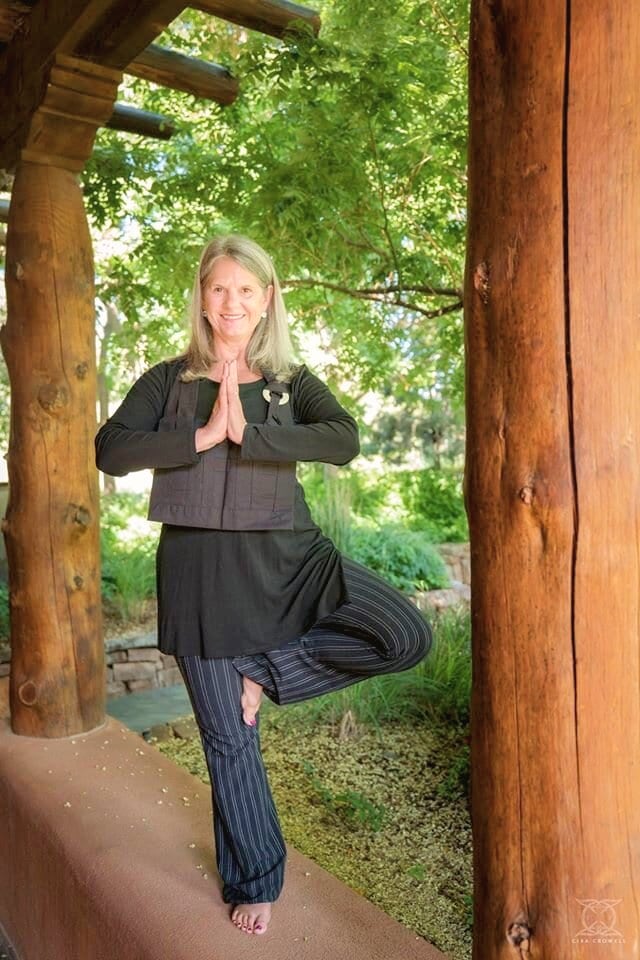
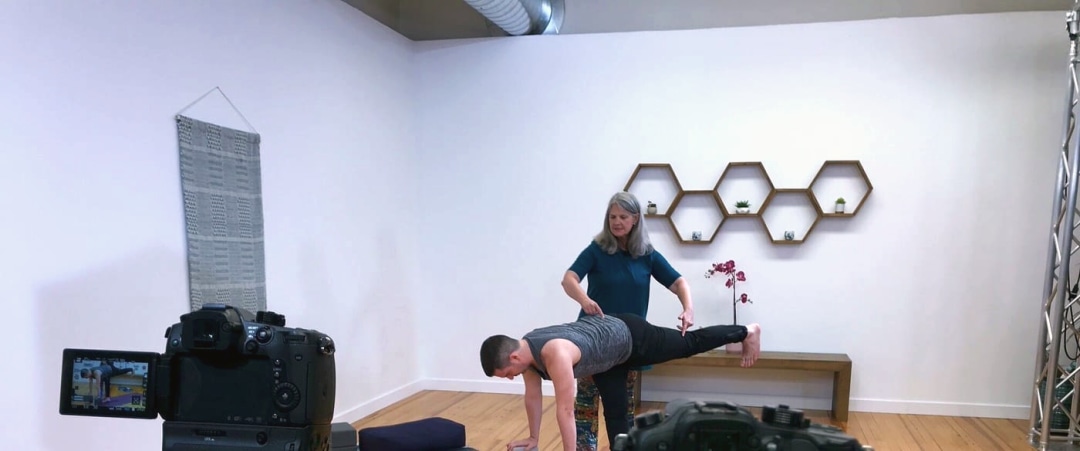
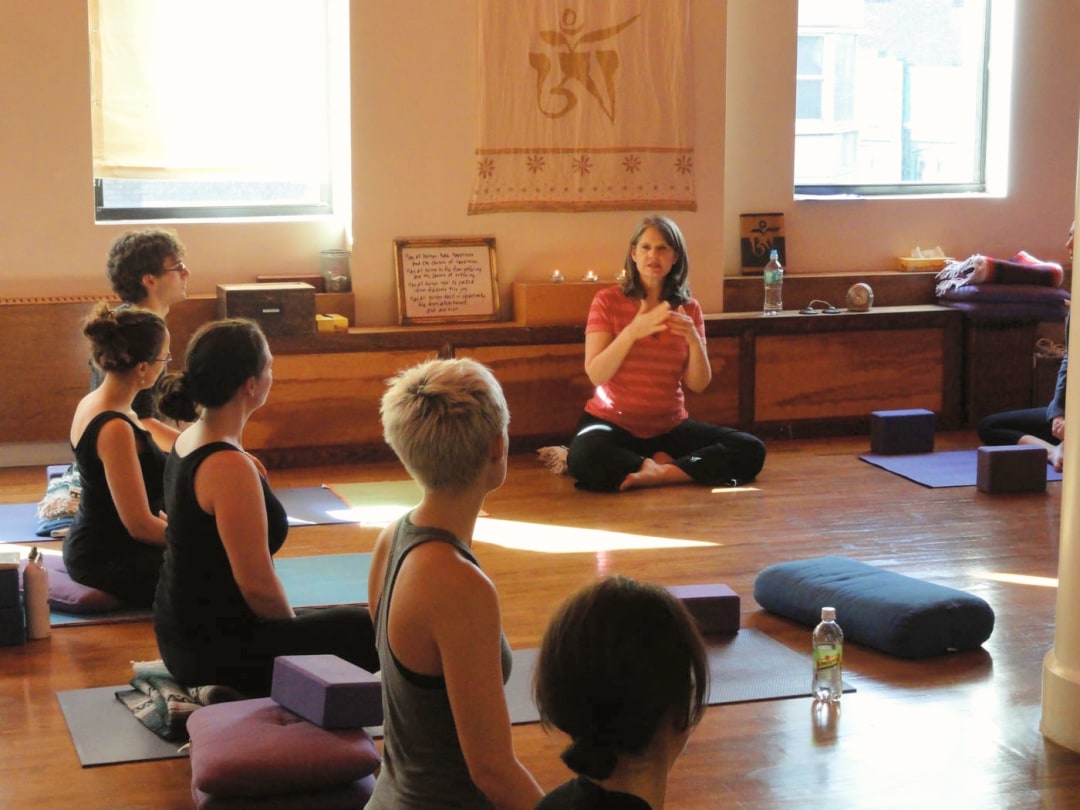
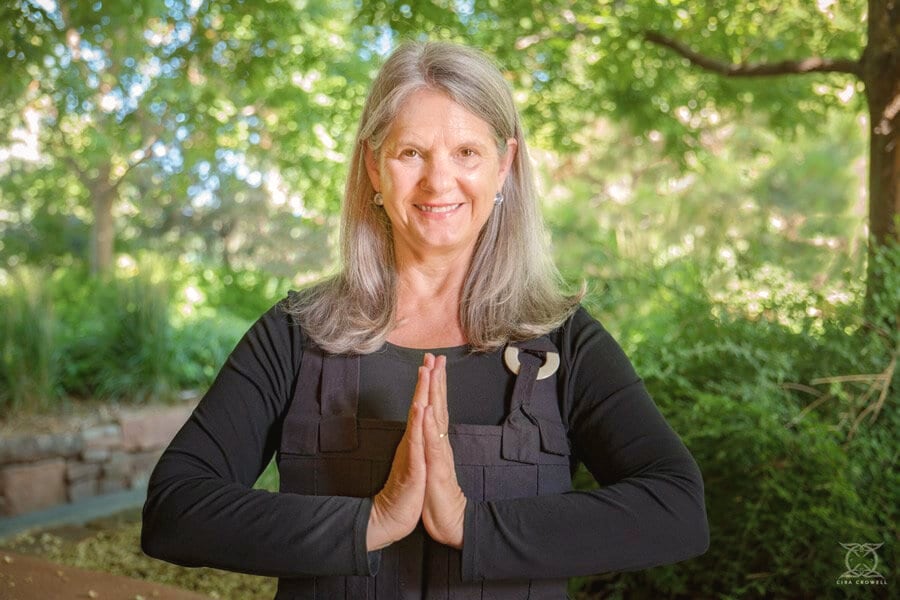

Yoga Teacher · yoga and meditation teacher · author and Buddhist chaplain · Seattle, United States
Cyndi Lee is a yoga and meditation teacher, Buddhist chaplain, author, and choreographer based in Santa Fe, New Mexico, widely recognised as the first female Western yoga teacher to fully integrate yoga asana and Tibetan Buddhism in her practice and teaching.
Cyndi Lee is a yoga and meditation teacher, Buddhist chaplain, author, and choreographer based in Santa Fe, New Mexico, widely recognised as the first female Western yoga teacher to fully integrate yoga asana and Tibetan Buddhism in her practice and teaching.
Lee grew up in Seattle, the daughter of a Protestant minister and a tailor and ceramicist, in a household she describes as fostering creativity, play and spiritual seeking. She studied at Chapman College beginning in 1971 and completed an MFA at UC Irvine with a thesis on Women, Spirituality and Indian Dance. A subsequent Art History Fellowship to the Whitney Museum of American Art brought her to New York, where she began teaching yoga in Greenwich Village around 1980. Through the 1980s she was a fixture in New York's downtown modern dance scene, choreographing and performing with XXY Dance/Music and Cyndi Lee Dance Company/Big Moves, Inc., and choreographed more than twenty music videos. After meeting her root guru, the Tibetan master Gelek Rimpoche, in the late 1980s, her yoga and Buddhist practice merged with her choreography; her 1994 concert "Dharma Dances" — which featured Allen Ginsberg singing and accompanying himself on harmonium — was her final performance before turning to full-time teaching. She began teaching meditation thirty years ago with Gelek Rimpoche's blessing, and in 2018 was ordained as a Buddhist Chaplain under the guidance of Roshi Joan Halifax of Upaya Zen Center. Her influential yoga teachers include Sharon Gannon, Rodney Yee and B. K. S. Iyengar.
From 1998 to 2012 Lee founded and ran OM yoga Center in New York City — the first NYC studio to offer Buddhist meditation classes — which became a gathering place for yogis worldwide. After closing the studio to deepen her own practice, she built an online teaching life that now reaches students internationally. Her current offerings include online classes in Sustainable Vinyasa Yoga, Restorative Yoga, and pranayama; pre-recorded teacher trainings in Mindfulness Meditation, Restorative Yoga, and Teaching Pranayama (covering techniques including sama vritti, ujjayi, nadi shodanam, viloma and kapalabhati); and courses co-developed with Yoga International, Yoga Journal, Mindful, and Lion's Roar. She also holds Mindfulness Mini-Retreats — five-day online sits designed to build a consistent daily practice — and an annual in-person retreat.
At the heart of her community is Lifting the Gaze Sangha, a regular online gathering that meets three times monthly and offers dharma talks, guided sits, a written and audio Meditation Field Guide, and access to her dharma talk archive. The sangha is open to practitioners of any background and any level of experience. Lee and her husband live in a casita in Santa Fe, New Mexico, where she is a member of the Friends of the Library Board and produces the Santa Fe Story Lab.
As an author, Lee has published six books. They include the classic yoga text Yoga Body, Buddha Mind; the New York Times critically acclaimed memoir May I Be Happy: A Memoir of Love, Yoga, and Changing My Mind; OM yoga: A Guide to Daily Practice; and her newest title, Long Life Yoga: Essential Practices for Longevity, Well-Being, and Joy at Any Age. She is a regular contributor to Yoga Journal and Lion's Roar, and has written for Real Simple, Yoga International, Tricycle, and Natural Health. Her teaching draws meditators, yoga practitioners, and teachers at all levels — from complete beginners building their first consistent practice to experienced teachers completing 300-hour trainings.
Lineage & Inspiration
The teachers, lineages, and practices that shape Cyndi Lee's path.
Cyndi Lee is a yoga and meditation teacher, author and Buddhist chaplain who grew up in Seattle and lives in Santa Fe, New Mexico. Her reputation rests on one specific combination: she weaves yoga asana together with Tibetan Buddhism, a pairing her website describes her as the first Western woman teacher to fully integrate in practice and teaching. She began teaching meditation about thirty years ago with the blessing of her root guru, the Tibetan master Gelek Rimpoche. In 2018 she was ordained as a Buddhist chaplain under Roshi Joan Halifax of Upaya Zen Center. Before teaching full-time she was a fixture of New York's downtown modern dance scene, and that movement background still shapes how she approaches the body in practice. Her books, from Yoga Body, Buddha Mind to the memoir May I Be Happy, are where most readers first meet her ideas on the page.
Her work is rooted in Tibetan Buddhism, specifically the lineage of Gelek Rimpoche, whom she names as her root guru and whose blessing launched her meditation teaching. Her 2018 ordination as a Buddhist chaplain under Roshi Joan Halifax of Upaya Zen Center connects her to a Zen-based chaplaincy community, so her framework draws on more than one contemplative stream. On the yoga side, her bio treats asana not as a separate fitness discipline but as a practice integrated with Buddhist meditation. Students should expect Buddhist vocabulary and ethics to frame the instruction, with postures serving as a method for settling attention. Her teacher trainings in restorative yoga, mindfulness meditation and pranayama carry this framework into forms other teachers can practice and pass on. The claim of being the first female Western yoga teacher to fully integrate asana and Tibetan Buddhism comes from her own website, so it should be read as her self-description.
A beginner with no background is best served by her online classes, which let them hear the Buddhist framing alongside the asana instruction at their own pace. Her YouTube channel, linked from her website, offers a way to hear her voice and teaching style before committing to a course. Pairing either option with a regular sitting practice matters, because her meditation teaching assumes an ongoing relationship with the cushion rather than occasional visits. Students coming from faster fitness-oriented classes should expect a slower pace, which suits the meditative emphasis of the work. The Lifting the Gaze sangha, which meets three times a month, offers the group practice her teaching is built around. The data does not list a specific beginner course, so readers should confirm current offerings on cyndilee.com before signing up.
The clearest distinction is her insistence on integrating yoga asana with Tibetan Buddhism rather than treating them as separate disciplines. Many meditation teachers come from secular mindfulness, while many yoga teachers add Buddhist language as decoration; her approach, as described on her site, treats the two as one practice. Her history gives this an unusual provenance. She ran OM yoga Center in New York City from 1998 to 2012, which her bio credits as the first NYC studio to offer Buddhist meditation classes, giving her an urban, studio-based lineage that differs from retreat-centered teachers. Her years choreographing in the downtown modern dance scene also show up in an attention to the body as an expressive instrument, not only a vehicle for stillness. Teachers who focus purely on breath or purely on postures will seem narrower by comparison. The tradeoff is that her combined approach asks students to accept Buddhist framing alongside the physical work.
Her work is not for anyone seeking a purely athletic yoga class with no interest in Buddhist content, since the Tibetan framework is central rather than decorative. Students who want a fast, power-driven vinyasa flow will likely find her pace and emphasis mismatched. Those wary of guru-based or lineage teaching may find the chaplaincy and root-guru references off-putting, even though she presents them as part of her training history. Readers seeking a secular, clinically framed mindfulness program should know that her meditation teaching carries Tibetan and Zen roots openly. Newcomers who want quick results or measurable fitness gains may find the emphasis on awareness over achievement frustrating at first. Her restorative yoga and pranayama work may suit students recovering from fatigue or injury better than high-intensity classes would, but that is a judgment to test with a qualified teacher rather than assume.
Her official site, cyndilee.com, is the primary place to track online classes, teacher trainings in restorative yoga, mindfulness meditation and pranayama, and retreats. Her YouTube channel is the second source to check for new video teaching. For the Lifting the Gaze sangha, which meets three times a month, the schedule is the most practical detail to confirm before attending. No upcoming tour dates or live events have been crawled for this profile, so BrightStar cannot list specific cities or venues yet. Given she lives in Santa Fe, in-person appearances may be less frequent than her online offerings, though that is an inference rather than a stated fact. Retreat and training dates change often, so checking the site directly is more reliable than relying on a stale listing. Following the website and channel together gives the clearest picture of what she is actively teaching.
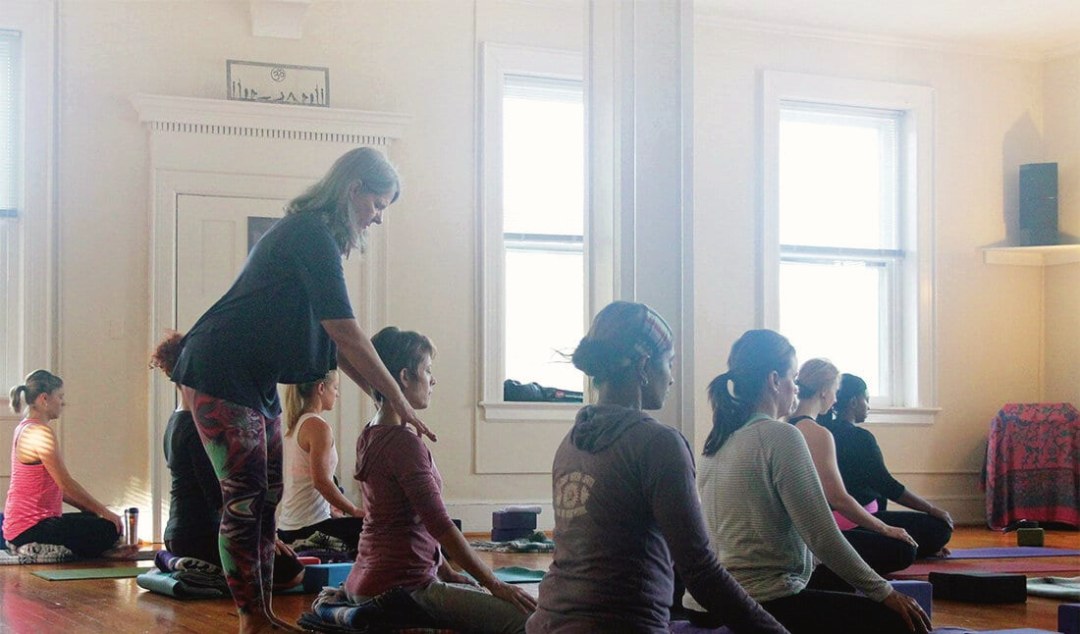
The profile data does not include a first-hand account of a session, so this description reflects how her work is structured rather than an eyewitness report. Her classes combine yoga asana with Tibetan Buddhist meditation, so a session typically moves between embodied posture work and seated practice framed by Buddhist ideas. Her pranayama and restorative yoga offerings suggest a style that values slow, attentive breathing and extended stillness over sequencing for intensity. Her dance background may influence how she guides movement and spatial awareness, though no source here details it. The sangha format points to a community-oriented model in which regular repetition matters more than one-off workshops. Students who want every detail explained before they move may find the approach more experiential than they expect. Anyone attending should expect Buddhist vocabulary to appear alongside the instruction, since that is the framework she teaches within.
The themes that recur across her bio are the integration of asana and Tibetan Buddhism, meditation as a daily discipline, and the role of breath work through pranayama. Restorative yoga appears as a distinct area, suggesting attention to rest, support and nervous-system settling alongside more active practice. Her memoir May I Be Happy points to a reflective thread about the personal experience of practice, while OM yoga: A Guide to Daily Practice points to the everyday structure of a home routine. The title Long Life Yoga suggests an interest in sustaining practice across decades rather than only in youth-oriented performance. Community is also central, visible in her founding of OM yoga Center and in the Lifting the Gaze sangha she runs. Her Buddhist chaplaincy, ordained in 2018, suggests that service and presence with others sit alongside personal meditation. These themes are drawn from her titles and bio, not from transcripts of her teaching.
The profile data does not list specific recorded talks, lectures or audio teachings, so no single title can be recommended with confidence. Her YouTube channel is the most likely place to find video teaching, though readers should check what it contains before relying on it. Her books offer the most reliable form of independent study, especially Yoga Body, Buddha Mind, which combines her two core strands in print. The memoir May I Be Happy shows how she arrived at her approach over time. Students who prefer structured study will find her online classes and teacher training materials more substantial than a single talk. Podcast interviews or audio recordings, if they exist, are not indexed in this profile, so searching her site directly is the best next step. Her published written work is better documented here than any spoken archive.
No prior yoga or Buddhist background is strictly required, since her books and online classes address people new to the material. Students without Buddhist vocabulary may find terms like dharma, sangha and root guru unfamiliar, and her teaching uses them as ordinary language. Familiarity with a posture or two helps, though it is not essential for seated meditation. Students with physical limitations should consult a qualified professional before starting, and her restorative yoga work may suit them better than dynamic classes. Those with a dance or movement background will likely find the physical orientation familiar. The steepest learning curve is the Tibetan framework, which rewards patience and reading. Her memoir and foundational books offer a gentler introduction than jumping straight into her teacher trainings.
C’est vous ? Revendiquer cette page ›
BrightStar is the global directory of artists, teachers, and healers in the wellness and spiritual movement. Find your next experience — or add yourself.
Browse 14,000+ curated profiles across kirtan, yoga, meditation, and beyond.
Explore directory →Kirtan, retreats, sound baths, breathwork, ceremonies — happening this week.
Browse events →Are you an artist, teacher, or healer? Get listed — free, AI-assisted, live in minutes.
Get started →


