Books
Bibliography coming soon.







Meditation Teacher
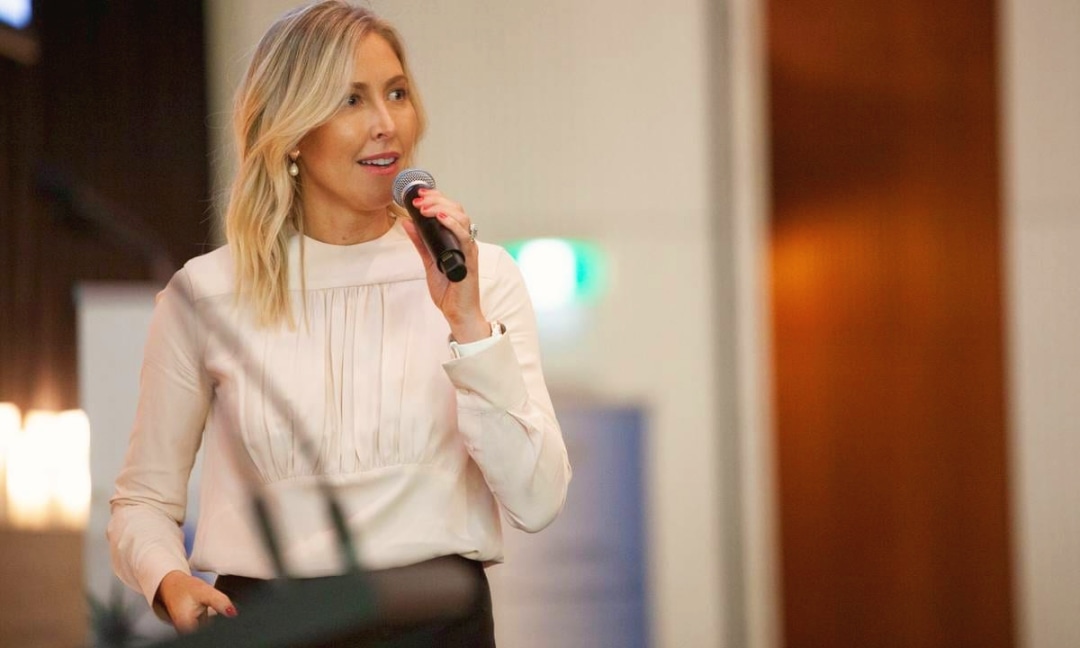
Chelsea Pottenger is the founder and director of EQ Minds, an international motivational speaker and an accredited Mindfulness & Meditation coach. She holds a postgraduate degree in psychology, and her approach is grounded in both science and lived experience.
Chelsea Pottenger is the founder and director of EQ Minds, an international motivational speaker and an accredited Mindfulness & Meditation coach. She holds a postgraduate degree in psychology, and her approach is grounded in both science and lived experience.
Her work began with her own recovery. Chelsea experienced severe postnatal depression after the birth of her daughter. In her journey back, she retrained and adopted a new way of living, bringing a new set of tools into her life to manage and optimise her mental health. That experience shapes her mission to reset the corporate agenda and ask businesses to put their people's mental health first.
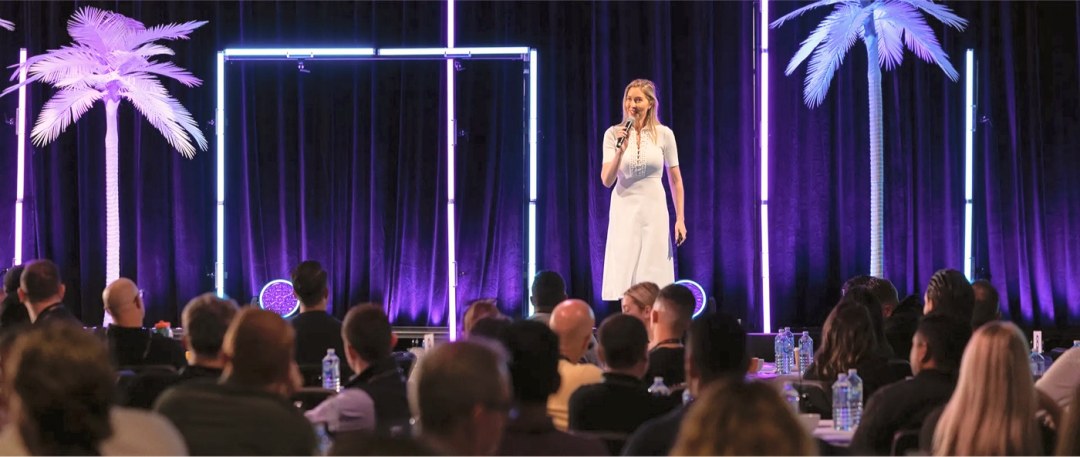
Chelsea gives keynotes and leads wellness workshops for teams, working with large corporate brands and small independent businesses. She gives people tools to reduce stress, build resilience and sustain the energy they need to thrive. Her keynotes include Mindset Reset and The Mindful High Performer. She works alongside her partner in EQ Minds, Jay Pottenger, and is based in Australia, working with clients globally in person and online.
She is the author of The Mindful High Performer, a toolkit for strengthening mental and physical health. She has also created self-paced online courses on sleep and on vision boarding, along with meditations and a podcast. EQ Minds was created to educate and empower people to prioritise and care for their mental health. In her words: "Self care isn't selfish, it's self-preservation."
Chelsea Pottenger is an Australian meditation teacher, keynote speaker, and founder of EQ Minds, a consultancy focused on corporate and personal mental health education. She holds a postgraduate degree in psychology and is an accredited Mindfulness & Meditation coach, which positions her at the intersection of clinical psychology and contemplative practice—a relatively rare combination in the corporate wellness space. Her credibility stems partly from her own transformation: after experiencing severe postnatal depression following the birth of her daughter, she moved away from a corporate leadership career to retrain and build a life grounded in evidence-based mindfulness and psychological resilience. She works with major corporations including Google, Optus, CBA, and Seven Network, delivering keynotes to audiences ranging from intimate workshops to thousand-seat venues. What distinguishes her from generic wellness consultants is her refusal to separate mental health support from the realities of modern work and parenting—she speaks from lived experience, not abstraction. Students and corporate clients are drawn to her because she treats mindfulness not as an aspirational concept but as a practical toolkit for managing stress, building resilience, and preventing burnout.
Chelsea Pottenger's approach blends contemporary evidence-based mindfulness practice with clinical psychology and neuroscience rather than adhering to a single traditional lineage. Her grounding in a postgraduate psychology degree gives her work a foundation in Western psychological science—she draws on stress management theory, resilience frameworks, and mental health research rather than positioning herself within Buddhist, Hindu, or other classical meditation traditions. She is accredited as a Mindfulness & Meditation coach, suggesting her training likely follows evidence-based mindfulness protocols influenced by the broader secular mindfulness movement (MBSR, MBCT frameworks) adapted for corporate and personal wellness contexts. Her explicit focus on mental health, burnout prevention, and emotional intelligence sits within the contemporary applied mindfulness space rather than traditional contemplative lineages. She also serves as a Mental Health Ambassador for The Gidget Foundation Australia, which focuses on postnatal depression and perinatal mental health, anchoring her work in clinical mental health advocacy. This positioning appeals to listeners and corporate clients seeking scientifically-backed tools rather than spiritual or religious frameworks.
A newcomer should begin with her book, The Mindful High Performer, which synthesizes her core philosophy around mindfulness, psychology, and work-life resilience in an accessible, practical format. This is a solid entry point because it introduces her reasoning—why mental health matters, what mindfulness actually does neurologically, and how stress management intersects with sustainable performance—without requiring prior meditation experience. From there, her self-paced online courses on sleep and vision boarding through EQ Minds are logical next steps for those wanting to apply specific practices to their own lives. Her meditation recordings and podcast content, available through EQ Minds, offer guided practice for those ready to experiment with meditation itself, whether for stress reduction or sleep support. Her keynote talks and workshop content, available on her website and YouTube, give newcomers a sense of her speaking style and the themes she emphasizes: resilience, sustainable energy, and the psychological foundations of mindfulness. If you're a corporate team or individual seeking structured mental health support, her website (eqminds.com) offers details on workshops and coaching. Start with the book if you're reflective; start with the guided meditations if you prefer practice over theory.
Most meditation teachers in the corporate wellness space come from either a spiritual background (yoga, Buddhism, Vedantic traditions) or a general wellness coaching angle. Chelsea Pottenger is distinctive because she leads with a postgraduate psychology degree and clinical credibility—she's not translating spiritual teaching into corporate language, she's applying psychological science and mindfulness protocols to real workplace and personal health challenges. Her personal origin story, public advocacy around postnatal depression, and role as a Mental Health Ambassador for The Gidget Foundation Australia ground her work in a specific clinical concern rather than generic mindfulness messaging. She explicitly frames her teaching around evidence-based resilience, stress neuroscience, and mental health prevention, which appeals to corporate teams and individuals skeptical of spiritual framing. Another differentiator is her emphasis on sustainable energy and mindset alongside meditation—she's not positioning meditation as a cure-all, but as one tool within a broader approach to psychology and lifestyle. Her corporate client list (Google, Optus, CBA, Seven Network) suggests she has the communication skills to translate complex psychology into compelling keynote content, which many meditation teachers lack. Finally, her public acknowledgment that self-care is self-preservation, not selfishness, reflects a pragmatic stance on mental health that avoids the guilt-inducing wellness culture many people find alienating.
Chelsea Pottenger's work is not primarily suited for seekers looking for spiritual transformation, mystical experience, or deep immersion in traditional meditation lineages like Buddhist Vipassana or Hindu Vedanta practices. If you're drawn to meditation as a path to enlightenment, direct guru relationships, or contemplative traditions with centuries of philosophical depth, her psychology-forward, secular mindfulness approach may feel too clinical and pragmatic. Her teaching is corporate-focused and outcomes-oriented—designed to improve resilience, reduce stress, and optimize performance—which means it's not calibrated for those seeking refuge from the corporate mindset itself or critiques of productivity culture. Similarly, her courses and meditations emphasize practical application (sleep, vision boarding, workplace stress) rather than open-ended contemplative exploration or unstructured meditation retreats, so meditators seeking long silence or intensive monastic-style programs should look elsewhere. Those skeptical of psychology as a framework, or seeking purely traditional or spiritual approaches, may find her emphasis on neuroscience and clinical research reductive. Finally, while her work touches mental health, it is not a substitute for clinical therapy or psychiatric treatment for serious mental health conditions—it's designed for prevention, resilience, and performance optimization in functioning individuals, not crisis intervention or deep psychological trauma processing.
The primary source for Chelsea Pottenger's current work, courses, and speaking schedule is her website, eqminds.com, which lists her workshops, meditations, podcast, and self-paced courses on sleep and vision boarding. Her Spotify presence shows her recent release, Non Sleep Deep Rest (2025), a meditation single—she appears to be expanding into audio meditation content on streaming platforms. Her YouTube channel (youtube.com/c/boostyourbiology) likely contains talks, workshop excerpts, and meditation recordings you can access on demand. For corporate speaking inquiries or to book her for keynotes and workshops, her website is the best contact point. She works globally both in-person and online, and her client roster (Google, Optus, CBA, Seven Network) indicates she maintains an active speaking schedule with major organizations, though specific tour dates appear to be handled through direct inquiry rather than public calendaring. Her podcast and digital meditation offerings mean you can engage with her work asynchronously regardless of your location. To stay updated on new courses, recordings, or speaking engagements, visiting eqminds.com directly is recommended, as she appears to manage her schedule and digital presence centrally through her consultancy rather than distributing it across multiple platforms.
Chelsea Pottenger's teaching style is grounded, direct, and accessible—she moves quickly from why this matters (neuroscience, psychology evidence) to practical application rather than dwelling in abstraction or spiritual language. Based on her corporate client work and keynote presence, her sessions are likely structured, outcome-focused, and designed to translate complex psychology into tools people can use immediately—she's not facilitating mystical experiences but building psychological literacy and resilience practices. Her personal story of moving from corporate burnout to mental health advocacy is woven into her teaching, which means her delivery carries both professional credibility and genuine human vulnerability. Unlike silent retreat formats, her workshops and keynotes appear to combine educational content (drawn from psychology and neuroscience), guided meditation, and interactive discussion around themes like sustainable energy, mindset, and stress management. Her self-paced courses on sleep and vision boarding suggest she tailors specific meditation and coaching content to concrete outcomes rather than open-ended exploration. She works comfortably at scale—delivering to thousand-seat audiences for corporate events as well as small groups—so her teaching adapts to context. While direct retreat or intensive workshop reports aren't publicly available, her explicit mention of both large venues and laptop screen sessions suggests she maintains the same psychological grounding and practical focus whether in a boardroom, hotel ballroom, or attending online.
Resilience, sustainable energy, and mental health literacy are core threads throughout Chelsea Pottenger's work, reflecting her mission to shift how individuals and organizations prioritize emotional and psychological wellbeing. She repeatedly emphasizes the connection between mindfulness practice, stress neuroscience, and performance—the idea that meditation isn't spiritual luxury but a tool for optimizing how your brain handles pressure and complexity. Her personal journey from corporate leadership through severe postnatal depression to mental health advocacy animates her teaching around self-preservation versus self-sacrifice; her stated mantra, Self care isn't selfish, it's self-preservation, encapsulates her stance that attending to mental health is an essential responsibility, not indulgence. She appears focused on democratizing mental health tools—making them accessible to corporate teams, busy parents, and high-performers rather than positioning them as elite practices. Another recurring theme is the integration of mindfulness with psychology and neuroscience; she explicitly draws on these domains rather than framing meditation as spiritual practice alone. Sleep, vision, sustainable energy, and mindset also recur as specific domains where she applies mindfulness and psychological coaching. Her founding of EQ Minds—a consultancy centered on emotional intelligence and mental health education—suggests she views emotional resilience and psychological self-awareness as learnable skills that organizations should systematize.
Yes—Chelsea Pottenger is the author of The Mindful High Performer, a book synthesizing her approach to mindfulness, psychology, and resilience in a format accessible to readers without prior meditation experience. Beyond written work, she has built out a substantial digital library through EQ Minds: she offers guided meditation recordings, a podcast, and self-paced online courses focusing on sleep and vision boarding. These recorded meditations and courses are designed for independent study, allowing listeners to engage with her teaching on their own schedule—a significant advantage for those unable to attend live workshops or keynotes. Her YouTube channel (youtube.com/c/boostyourbiology) appears to host talk excerpts, workshop content, and meditation recordings available free on demand. She has also released audio content on Spotify, including Non Sleep Deep Rest (2025), a meditation single suggesting she's expanding into meditation-as-streaming-audio. This distributed presence across book, podcast, meditation app, YouTube, and streaming platforms means there are multiple entry points for independent study depending on whether you prefer reading, listening to guided practice, or watching her speak. The self-paced course structure suggests her digital offerings include progression rather than just raw recordings—you can work through material at your own pace without needing live instructor interaction.
No prior meditation or spiritual background is necessary to engage with Chelsea Pottenger's work. Her explicit grounding in psychology and neuroscience means her teaching is designed for secular, evidence-curious audiences without assumed familiarity with meditation terminology or philosophy. Her book, The Mindful High Performer, is positioned as accessible to readers regardless of their contemplative experience—she builds the case for why mindfulness matters from psychological science before introducing practices. Her corporate workshop clients (Google, Optus, CBA, Seven Network) are primarily high-performance professionals, not spiritual seekers, which suggests her teaching is calibrated for people who may be skeptical of meditation, spiritual framing, or wellness jargon—she leads with data and practical outcomes. Her courses on sleep and vision boarding are specific enough that you can benefit from them without understanding broader meditation traditions or lineages. Her Mental Health Ambassador role with The Gidget Foundation Australia positions her within clinical mental health discourse rather than spiritual teaching, suggesting her language and frameworks will be familiar to anyone who has engaged with therapy, psychology, or mainstream mental health conversations. If you're curious about how meditation and psychology intersect, skeptical but open-minded, or burned out from high performance, her teaching is explicitly designed to be accessible.
C’est vous ? Revendiquer cette page ›
BrightStar is the global directory of artists, teachers, and healers in the wellness and spiritual movement. Find your next experience — or add yourself.
Browse 14,000+ curated profiles across kirtan, yoga, meditation, and beyond.
Explore directory →Kirtan, retreats, sound baths, breathwork, ceremonies — happening this week.
Browse events →Are you an artist, teacher, or healer? Get listed — free, AI-assisted, live in minutes.
Get started →