Écouter
Écouter


Meditation Teacher · São Paulo, Brazil
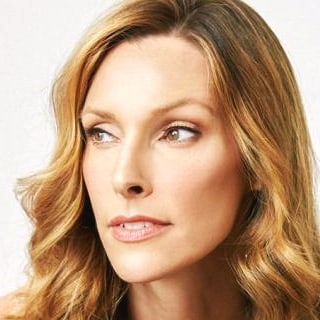
Adriana nasceu em SP, mas vive em Conroe-TX.
Adriana nasceu em SP, mas vive em Conroe-TX.
Largou a profissão como contadora e começou sua jornada de autoconhecimento e estudos em neurociência, chegando na meditação, e se formando professora de meditação.
Começou a ajudar mulheres a mudarem seus hábitos através da meditação, mas não parou por aí, formada professora de Pilates, Mentora HeartMath e Aromaterapeuta, trabalha ajudando mulheres que buscam ter saúde física, mental e emocional através do autodescobrimento, da gestão emocional e da consciência corporal como caminho de libertação de medos, receios e inseguranças.
Adriana dos Santos is a meditation teacher, pilates instructor, and certified aromatherapist based in Conroe, Texas, who transitioned from a career in accounting to build an integrative wellness practice centered on women's holistic health. Her approach combines neuroscience-informed meditation with body awareness work, treating the nervous system and emotional regulation as entry points to lasting behavioral change. Rather than offering meditation as a standalone practice, dos Santos weaves together pilates instruction, HeartMath training, and aromatherapy to address what she frames as the interconnection between physical tension, emotional patterns, and habitual responses. Her audience is primarily women seeking to break cycles of fear, insecurity, and anxiety through self-discovery and somatic awareness. The appeal of her work lies in its refusal to compartmentalize wellness—she meets students where their bodies are, not where self-help platitudes suggest they should be. Her work has grown organically through direct teaching and digital presence rather than through mainstream media recognition.
Adriana dos Santos's approach is rooted in contemporary neuroscience-informed mindfulness and somatic psychology rather than a classical spiritual lineage. Her journey began with self-directed study in neuroscience, which led her to meditation as a practical tool for neurological change—this foundation shapes her teaching away from devotional or esoteric frameworks and toward evidence-based practice. The integration of HeartMath training (a system focused on heart-rate variability and emotional coherence) with pilates and aromatherapy positions her within the modern integrative wellness movement, where practices from different traditions are selected for their efficacy in nervous system regulation and emotional management. Her work particularly draws on somatic awareness traditions—the understanding that the body holds psychological patterns—combined with contemporary women's wellness frameworks that acknowledge trauma, safety, and embodied healing. She views meditation not as a transcendent escape but as a practical tool for rewiring habitual emotional and physical responses, which reflects a pragmatic, nervous-system-focused approach to contemplative practice rather than a lineage-based one.
The most accessible entry point is Adriana dos Santos's website at adrianadossantos.com, where you'll find information about her offerings and teaching approach. Her YouTube channel likely contains recorded meditations, pilates demonstrations, or teaching content that gives a clear sense of her voice and method without requiring direct enrollment. Because her practice integrates multiple modalities—meditation, pilates, aromatherapy, and HeartMath—newcomers should begin with whichever modality resonates most urgently: if you're drawn to embodied practice, start with pilates; if you're seeking nervous-system regulation, her HeartMath or meditation teaching may be the entry point. Her background in neuroscience means even foundational teachings likely reference how the brain and body communicate, so expect practical rather than purely spiritual framing. Since her primary work happens through direct teaching and online offerings rather than published books or widely distributed recordings, engaging with her digital presence first—then exploring direct work through her website—is the clearest path in.
Unlike meditation teachers who present the practice in isolation, dos Santos insists on the integration of pilates, aromatherapy, and HeartMath as essential companions to sitting meditation, treating body awareness and emotional management as inseparable from practice itself. Her explicit focus on women's specific patterns—fear, insecurity, self-doubt—means her teaching is not gender-neutral; she builds her framework around the nervous systems and emotional landscapes of her female students rather than offering a one-size-fits-all approach. The neuroscience foundation sets her apart from teachers working from purely traditional or spiritual frameworks; she speaks the language of vagal tone, nervous system reset, and neuroplasticity rather than chakras or transcendence, which appeals to students who want science-informed validation. Her own pivot from accounting to wellness work also shapes her teaching voice—there's pragmatism in her approach, an understanding that people need behavioral change toolkits, not aspirational spirituality. The aromatherapy integration is also uncommon in meditation teaching; most teachers ignore scent and chemical support, whereas dos Santos treats aromatic support as part of emotional regulation and somatic awareness. She's built her practice regionally based in Conroe, Texas and digitally rather than pursuing publishing or media circuits, meaning her teaching remains intimate and practice-focused rather than celebrity-driven.
Adriana dos Santos's work is not suited for seekers drawn to transcendental or purely spiritual frameworks; if you're looking for teachings on enlightenment, higher states of consciousness, or connection to a universal divine, her neuroscience-grounded, nervous-system-focused approach will feel reductionist. Students who prefer a single modality—meditation only, or pilates only—without integration may find her insistence on combining practices overwhelming or unnecessary; her teaching assumes that body, breath, chemistry via aromatherapy, and mind work together, and she won't separate them. Her specific focus on women's emotional patterns and self-discovery also means her teaching isn't positioned as gender-inclusive in a generic way; men seeking meditation instruction may find her framing of the work feels addressed to a different audience. Students who want remote, recorded, on-demand teaching without relationship or personalization may also find limitations; much of her work seems to happen through direct teaching relationships and online offerings that require real engagement rather than passive consumption. Finally, those skeptical of or allergic to any spiritual or wellness framing—including aromatherapy and body-centered practices—will likely find the entire landscape of her work misaligned with their worldview.
Your primary source for current offerings and events is her website at adrianadossantos.com, where class schedules, retreat information, and workshop dates should be listed. Her YouTube channel will likely contain both recorded teaching content and announcements about live offerings. Since she's based in Conroe, Texas but maintains a São Paulo connection, teachings may occur in both locations; following her website or YouTube channel will clarify whether she offers in-person sessions in Texas, travel to São Paulo, or primarily online instruction. As of now, no major touring schedule or widely documented upcoming public events are syndicated to major event databases, suggesting her work remains focused on direct teaching relationships and digital reach rather than large-scale event promotion. For the most current information, direct contact through her website is the most reliable approach, as her updates likely flow through her own channels rather than being syndicated to third-party platforms.
While specific details of her teaching sessions aren't extensively documented, Adriana dos Santos's work suggests an embodied, progressive approach that integrates multiple modalities within a single session or retreat: meditation combined with pilates instruction, HeartMath biofeedback practices, and aromatherapy support. Given her background in neuroscience and her focus on nervous-system regulation, you can expect teaching that explains the 'why' behind practices—why breath work affects the vagus nerve, how pilates addresses postural patterns that lock emotional tension, how scent supports emotional states—rather than asking students to believe in abstract benefits. Her framing around self-discovery and emotional management suggests the teaching space is designed for felt experience and personal insight, not rote instruction; students are invited to notice their own patterns and shifts rather than reaching toward a predefined spiritual state. Because her primary audience is women seeking freedom from fear and insecurity, sessions likely create safety and permission to process emotional material through the body, not just the mind. The integration of practices means a single session might move from meditation to pilates to aromatherapy use, treating these as interconnected tools for the same nervous-system and emotional-management goal. Her background as an accountant likely shapes teaching that's practical, outcome-focused, and grounded in measurable changes students can feel and track.
The primary recurring theme is nervous-system regulation and emotional liberation; dos Santos frames meditation, pilates, HeartMath, and aromatherapy as interconnected practices for moving out of habitual fear and anxiety patterns and into sustainable calm and resilience. Self-discovery and body awareness are central—her teaching emphasizes that the body holds our patterns, our histories, and our unconscious habits, and that freedom comes through somatic awareness rather than mental analysis alone. Emotional management is treated as a teachable, practizable skill rather than an emotional state to achieve; she positions emotions as information that can be processed and regulated through nervous-system tools rather than problems to fix. The particular focus on women's experience—addressing insecurity, self-doubt, and the specific ways women internalize fear—runs through her work, making her teaching explicitly grounded in gendered wellness needs. Neuroscience as validation is another recurring thread; her teaching consistently references how the brain and nervous system work, treating scientific understanding as permission and explanation for why these practices matter. Finally, the integration of multiple modalities—refusing to separate body from breath from chemistry to mind—reflects a core belief that lasting change requires working with the whole system, not isolating wellness into separate domains.
Based on available documentation, there are no published books by Adriana dos Santos currently available. Her YouTube channel likely contains recorded meditations, pilates sessions, or teaching talks that can be accessed independently, though the extent and availability of this content would need to be verified directly on the channel. Unlike teachers who have built their practice around published materials or lecture series, dos Santos appears to work primarily through direct teaching, online classes, and digital presence rather than packaged, independent-study content. This reflects her focus on relational, embodied work—meditation guided in real time, pilates instruction with real feedback, HeartMath sessions with personalized biofeedback—rather than content designed for passive consumption. For those seeking her teaching in recorded form, her YouTube channel and website offerings are the most direct access points, though the bulk of her work seems to require direct engagement with her or participation in live-taught sessions.
While her website and YouTube channel likely contain meditations and practices organized by intention or benefit, specific titles and descriptions of these offerings aren't extensively documented. Given Adriana dos Santos's focus on nervous-system regulation and emotional management, you can expect her meditation teaching to be explicitly designed around anxiety, emotional stability, and somatic awareness rather than presented as generic stress relief. Her integration of pilates with meditation suggests body-aware practices that address postural holding patterns alongside breathing and attention, which would naturally serve students working with embodied anxiety or stress. HeartMath-informed teaching would target heart-rate variability and vagal tone, making her practices particularly suited for those seeking measurable nervous-system shifts toward greater coherence and resilience. For specific guidance on which of her practices suit your particular needs—whether sleep, anxiety, trauma recovery, or emotional clarity—direct consultation through her website or YouTube offerings would provide the clearest answer.
C’est vous ? Revendiquer cette page ›
BrightStar is the global directory of artists, teachers, and healers in the wellness and spiritual movement. Find your next experience — or add yourself.
Browse 14,000+ curated profiles across kirtan, yoga, meditation, and beyond.
Explore directory →Kirtan, retreats, sound baths, breathwork, ceremonies — happening this week.
Browse events →Are you an artist, teacher, or healer? Get listed — free, AI-assisted, live in minutes.
Get started →