The History of Mii amo

The History of Mii amo
A Journey Begins in Sacred Canyon
When Mii amo opened its doors in 2001, it represented a bold departure from the destination spa model that had dominated the wellness landscape of the late twentieth century. Rather than offering guests a regimented schedule of treatments and classes, this intimate sanctuary in Sedona's Boynton Canyon was conceived around a single guiding principle: that each person's path to healing is uniquely their own.
The name itself—drawn from a Yuman word meaning "one's path" or "journey"—announced this intention from the outset. Set within the 70-acre Enchantment Resort property, Mii amo would not be a place where visitors were told what they needed. Instead, it would be a space where they could discover it for themselves.
Rooted in Place and Tradition
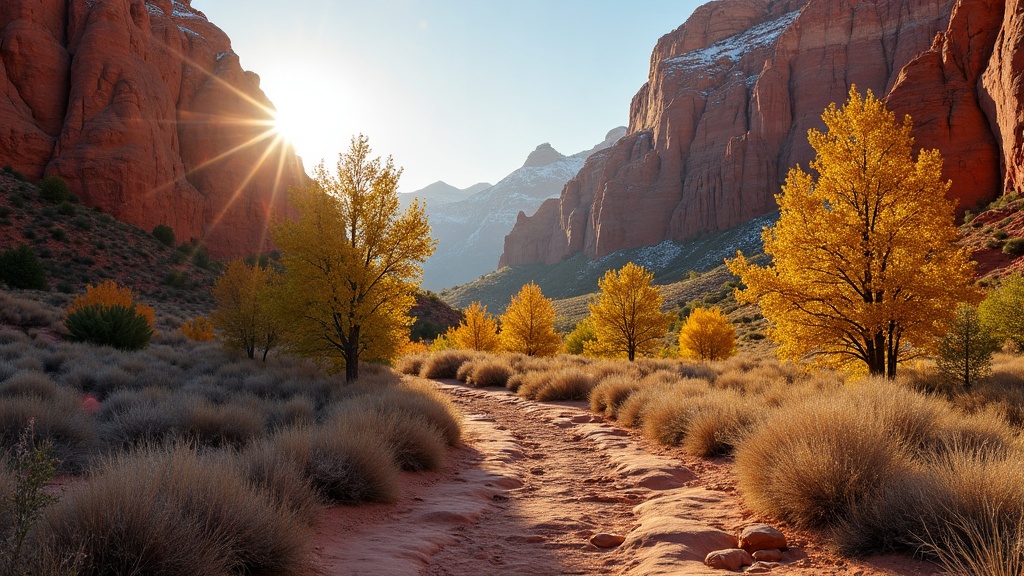
The choice of location was no mere real estate decision. Boynton Canyon has been considered sacred ground by Native peoples for centuries, and many locals regard this horseshoe-shaped formation as one of Sedona's most powerful energy vortexes. At 4,600 feet of elevation, the site offers the best of both worlds: the red rock majesty that makes Sedona legendary, without the scorching heat of lower desert elevations.
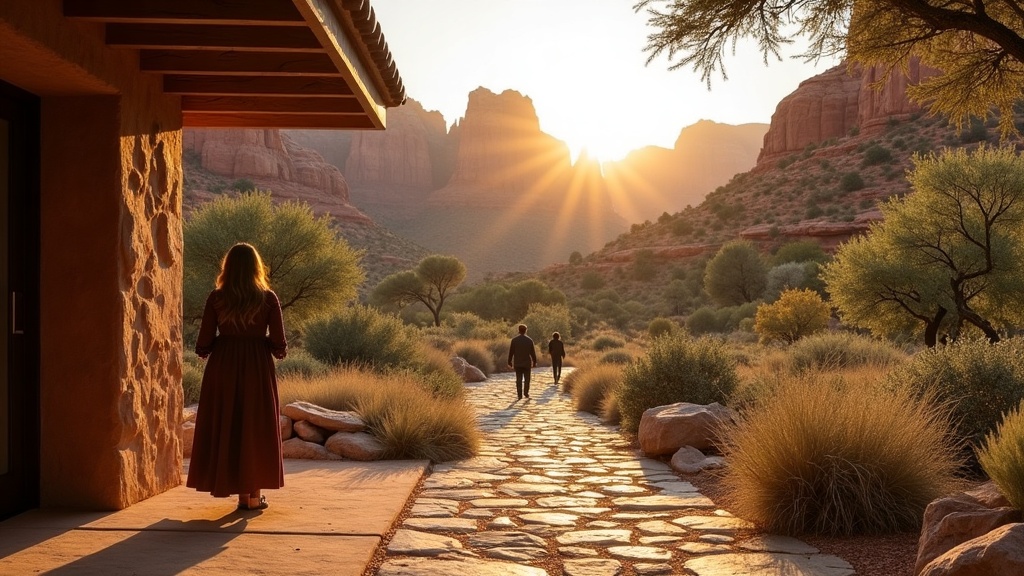
The architectural vision, realized by the award-winning firm Gluckman Tang, honors this heritage while creating something distinctly contemporary. Twenty-three adobe-style casitas nestle beneath ancient cottonwood trees, their earth-toned walls seeming to emerge organically from the red rock cliffs that surround them. Beehive fireplaces and private courtyards echo traditional Native American design, while modern amenities ensure comfort without compromise. The result is architecture that feels both timeless and immediate—a fitting container for the transformative work that happens within.
The Journey Model Takes Shape
From the beginning, Mii amo organized its offerings around multi-night "Journeys"—three, four, seven, or ten nights during which guests would immerse themselves completely in the experience. This wasn't simply a matter of marketing; it reflected a fundamental belief that meaningful transformation requires time, continuity, and individualized attention.
Central to this approach is the role of the Journey Guide—a dedicated advisor who works with each guest to co-create a bespoke itinerary. Rather than choosing from a menu at random, visitors engage in conversation about their intentions, challenges, and aspirations. Together, guide and guest design a program that might weave together spa treatments with mindfulness consultations, fitness activities with energy work, silent meditation with sound healing sessions.
The all-inclusive model reinforced this integrative vision. When meals, treatments, and activities are bundled together, guests can move through their days without the transactional thinking that often fragments spa experiences elsewhere. The on-site restaurant, with its open kitchen and commitment to organic produce from the resort's own garden, became an extension of the wellness philosophy rather than an afterthought.
A Living Tradition
Over more than two decades, Mii amo has evolved while remaining faithful to its founding vision. The traditions practiced here—from Native American healing wisdom to Hatha yoga, from Reiki to various forms of meditation and energy work—are not presented as exotic add-ons but as different languages for the same fundamental conversation: how do we return to wholeness?
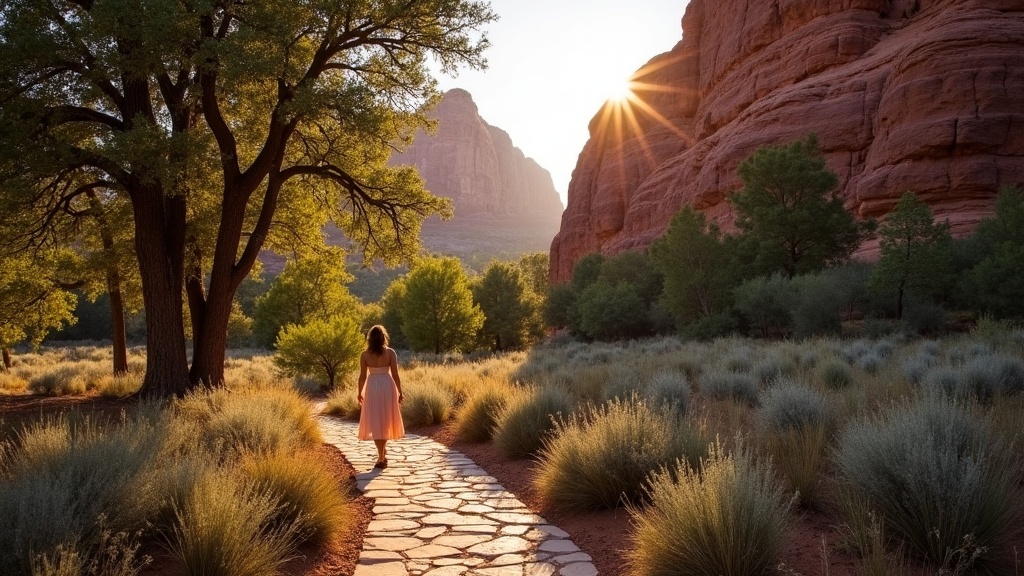
The outdoor pool invites quiet contemplation against the backdrop of red cliffs. Hiking trails branch out into Boynton Canyon, allowing guests to experience the landscape that makes this place what it is. Fitness and wellness classes provide structure for those who need it, while the spa itself offers a full spectrum of treatments that honor both ancient and contemporary healing modalities.
The Present Path
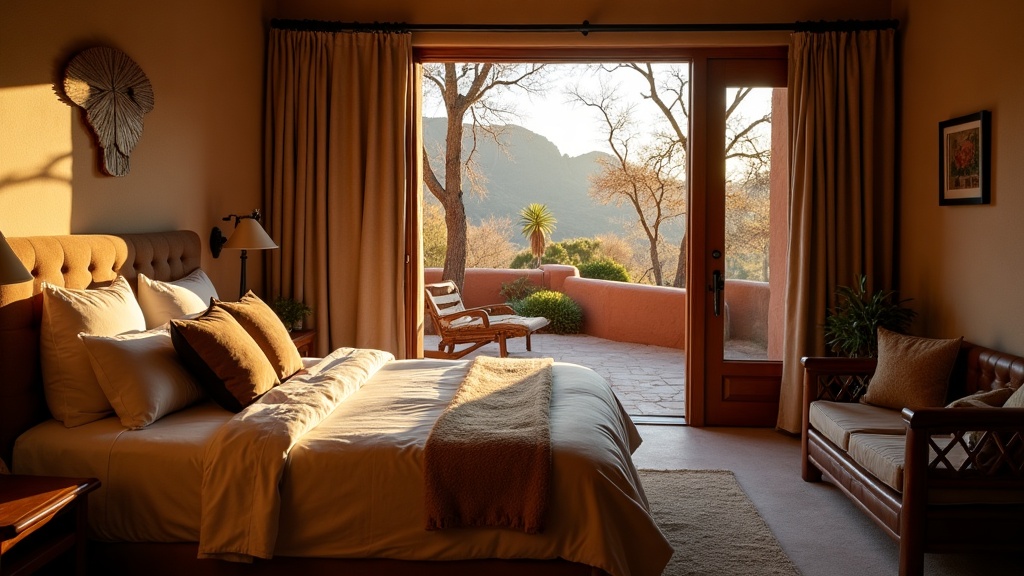
Today, Mii amo stands as a mature expression of intentions planted more than twenty years ago. The intimate scale—just 23 casitas—ensures that this remains a place of genuine retreat rather than a wellness factory. The colorful rooms, decorated in desert tones and featuring details like soaking tubs and private patios (some with outdoor showers, whirlpool tubs, or dedicated massage areas), create a sense of sanctuary within the larger sanctuary.
What distinguishes Mii amo now, as at its founding, is the commitment to honoring each guest's individual journey. In an era when wellness has become increasingly standardized and algorithm-driven, this human-centered approach feels both radical and refreshingly grounded. The red rocks remain. The cottonwoods provide their shade. And the invitation stays the same: to discover your own path, in your own time, supported by traditions both ancient and ever-new.